5 december 2025 10:59
Topic starter
Meldingen
Alles wissen
Q&A
1
Berichten
2
Gebruikers
2
Reactions
36
Bekeken
1

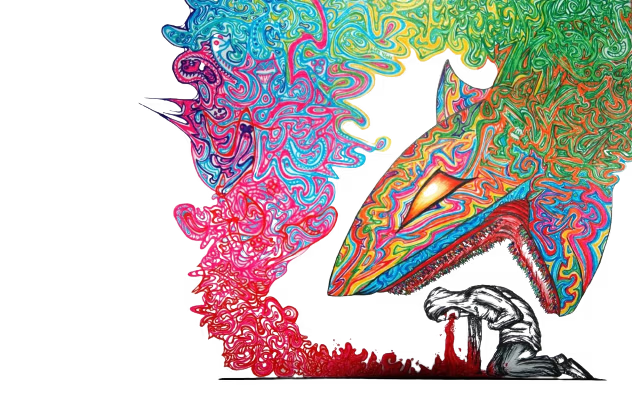
What percentage of the trips are bad trips and how do the trip sitters approach such situation?
1 antwoord
1
5 december 2025 11:04

The occurrence of a genuine bad trip during our guided psychedelic session is extremely rare. It's estimated at only 0.1%, or about 1 in 1000 sessions. This low percentage is as low because our focus on tge preparation, neurochemical balance, and setting.
When a challenging experience does occur, our guides respond with calm, professional support rather than distraction or suppression. What we normally do:
-
Non-judgmental presence: The sitter provides a grounded, reassuring presence, helping the person feel safe even when the experience is intense.
-
Verbal and non-verbal reassurance: Simple affirmations like “You’re safe” or gentle touch (only with prior consent) help to regulate fear responses.
-
Breathwork and grounding: Clients may be guided to focus on their breath or body sensations to help them reconnect with the present.
-
Use of music and environment: Soft lighting and carefully selected music help create a calming atmosphere that supports emotional flow rather than resistance.
-
Letting emotions flow: Rather than “fixing” or avoiding what comes up, the sitter encourages emotional expression. The goal is to allow the subconscious to surface in a safe and supported space.
- The usage of supplements that can calm people down.
Even when a session feels difficult in the moment, it often leads to meaningful breakthroughs after integration. These moments are seen not as failures but as opportunities for deep psychological healing.
If you're considering a session and want to minimize the risk of a bad trip, an intake is the first step. This helps tailor the experience to your mental and biochemical profile, maximizing safety and therapeutic potential.
Inloggen of Registreren aub to reply to this topic.