
Bad trips and psychedelics
Bad trips are unfortunately a part of the downside of psychedelic experiences. In this article, we describe what a bad trip exactly entails, how to avoid these negative experiences, and what support is available (both during and after such an experience). This blog combines insights from recent studies, practical tips, and scientific background to provide tips against a negative psychedelic journey.
What is a bad trip?
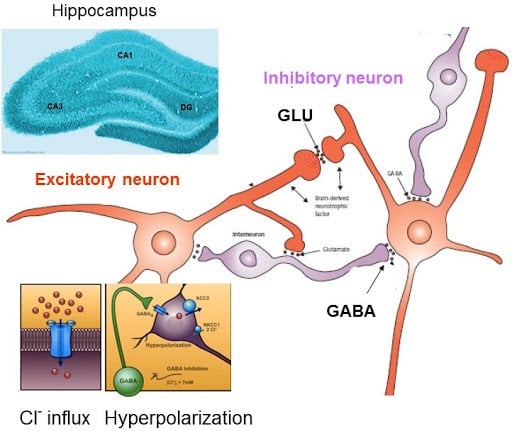
A bad trip is an intense, often unpleasant experience that can occur during the use of psychedelic substances or other psychoactive drugs. It is characterized by feelings of anxiety, panic, paranoia, and confusion. The experience can be accompanied by physical symptoms such as nausea, dizziness, and heart palpitations. Scientifically speaking, bad trips are caused by a complex interaction between neurotransmitters in the brain, where excessive stimulation of the glutamate, serotonin, and dopamine systems may play a role, while there is a deficiency of the calming GABA.
Negative psychedelic experiences are often exacerbated by an unsafe or stressful environment and an unprepared mindset. Bad trips are most common in people who are traveling alone.
Causes and risk factors
These factors often play a major role in experiencing a bad trip:
- Environmental factors: An unsafe or unknown environment can intensify feelings of anxiety.
- Emotional state: A vulnerable or stressed state of mind makes someone more susceptible to negative influences.
- NeurochemistryAbnormalities in the amount of neurotransmitters in the brain significantly affect the trip.
- Interaction with other substances: The simultaneous use of other medications or drugs can increase the risk of a negative experience.
How can you prevent a bad trip?
Preventing a bad trip starts with preparation. When Triptherapie helping with the preparation of each psychedelic session that is conducted with us. Neurochemistry may play the most important role in this, but the factors below also play a role:
- Set and setting: Create a familiar environment or location specifically designed for psychedelic sessions. Choose a therapist who suits you to accompany you. This so-called “Set and setting”It is crucial to minimize negative emotions and unexpected anxiety reactions.
- Inform yourself thoroughly: If it gives you peace of mind to understand how psychedelics work, read various scientific studies and personal accounts about the effects and risks of the substances. An informed user can better anticipate difficult situations and let them go after that.
- Dosage and purity: Always use a controlled dose and pay attention to the purity of the ingredients. Excessive doses or impure substances can cause a negative trip. For beginners, it is advisable to build up the dosage per session.
- Mental preparation and intention: Determine your intentions in advance and be open to what you will experience. Meditation and relaxation exercises can help prepare the mind.
GABA and glutamate: the biochemistry behind bad trips
Research shows that the balance between neurotransmitters plays a key role in experiencing a bad trip. Two neurotransmitters play an important role in this. Glucomate is the most important excitatory neurotransmitter in the brain, and excessive activation of receptors can lead to overstimulation of the nervous system and feelings of anxiety and panic.
GABA is the most important inhibitory neurotransmitter that regulates brain activity and moderates excessive stimulation. Understanding the effects of these two neurotransmitters on each other and during psychedelic sessions can help us better understand the causes of a bad trip and control its effects. A proper balance between GABA and glutamate significantly reduces the risk of a negative psychedelic experience! It is therefore wise to pay attention to any deviations in neurochemistry during preparation. If we notice any Triptherapie concerns, we ensure that we bring the neurochemistry more into balance before the session to increase the chance of a good experience.
What can you do after a bad trip?
When a bad trip does occur, it is important to know how to deal with it in a healthy way. At the very least, give yourself plenty of rest the day after the trip and go to bed on time to recover from the trip. There is a chance that a good night’s sleep can already work wonders on the second day after the trip. If you feel like you’re not improving or you remain anxious, then use these tips:
- Take GABA: GABA is a supplement that can help you relax more. If you are taking medication, you should check whether GABA is suitable for you.
- Seek professional help: After a traumatic experience, it can be helpful to talk to a therapist or counselor. At Triptherapie Offering, we offer professional guidance, exploring the meaning of the experience together and finding ways to integrate it.
- Review and integration: A structured debriefing can help to process the experience. This can be through group discussions or individual sessions, where emotions and insights are shared.
- Physical and mental self-care: Give yourself even more time and space to recover. Ensure you get enough sleep, eat a healthy diet, and engage in relaxing activities. This promotes the recovery of both body and mind.
- Think: Bad trips don’t damage the brain, but the brain can temporarily work differently. Once the anxiety and stress are gone, everything normalizes again.
Additional integration at Triptherapie
We offer additional integration sessions for our own clients, but also for people who have personally experienced a trip and feel they need to do something with the experience. If you have had a negative experience and would like support from one of our therapists, please take advantage of these additional integration sessions. You can view the current offerings via the button below.
Bad trips are only occasional
Thanks to our careful preparation, professional guides, and local precautions, bath trips are almost never a problem. Of the 2,500 people we have helped, there have only been a handful of bath trips, and these people often did not follow our instructions during the preparation process. All in all, based on our data, we estimate the risk of a bath trip at only 0.1 percent. That is about 1 in 1,000 if you follow our protocol.
Professional guidance during Triptherapie
At Bij, we Triptherapie offer specialized support for people who have had negative experiences during a trip. Our guidance is based on the latest scientific insights and the practical experience of therapeutic professionals. We help you with:
- Integration of the experience: Through structured integration sessions, we explore together the meaning of your experience.
- Safe and personal support: Each session is tailored to your personal needs, with the goal of creating a safe space for recovery.
- Preventive advice: We inform and advise on the risks and preventive measures so that future negative experiences can be avoided as much as possible.
Contact or sign up
Would you like to sign up for a psychedelic session at Triptherapie? Fill in the intake form now, free of charge. Have questions? Please go through our FAQ section or contact us.
Frequently asked questions about bad trips
Check out some of the questions people have when it comes to bath trips here.
Stay calm, find a quiet place and, if possible, enlist someone you trust. Breathing exercises can help reduce tension.
The duration varies per person and substance, but the acute phase can last a few hours. For example, the peak with psilocybin is only 2 hours and with LSD 4 hours. The period of awareness and processing of the experience can take longer.
Although a bad trip can be a profound experience, it does not necessarily lead to permanent damage. With the right support and integration, the experience can even lead to personal growth.
A bath trip is an intense, often negative experience that can occur during the use of psychedelic drugs, involving feelings of anxiety, panic, confusion, and physical symptoms such as nausea and dizziness.
General FAQ
If you’re looking for another question and answer, you can also choose to use the search function on our site, consult the most frequently asked questions section, or ask it of our chatbot Trippy.
The recent Q&A questions
How do you book a psilocybin (truffle) ceremony?
What is the best way to book a psilocybin truffle ceremony?
What is the cheapest psychedelic session or retreat?
What is the cheapest option for a psychedelic session?
Psychedelic session for international clients
How do I book psychedelic therapy in the Netherlands if I am coming from abroad? What are the possibilities?
Psychedelic therapists
Which of the therapists at Triptherapie are trained as psychologists and the like?
Truffle ceremony with psilocybin
How many truffles or mg of psilocybin do you get approximately at the magic truffle ceremonies?
Psychedelic retreats
I am coming from abroad and I want to attend a psychedelic retreat. What do I need to take into account when organising my trip?
Can truffle therapy be done with a psychologist?
I want to do magic truffles under the guidance of a psychologist. Do you offer this, or can I bring my own psychologist for the truffle session?
Little to no effect from truffles and MDMA
Why do I feel little effect from psychedelics such as truffles and MDMA?
Neglected burn-out: resolving it with psychedelic sessions?
Can you resolve a neglected burnout with psychedelic therapy?