




Psilocybin therapy
Psychedelic therapy is therapy combined with a psychedelic session and has several names. The name often refers to the psychedelic substance. We typically use psilocybin from truffles, which is why it's also called psilocybin therapy or truffle therapy. Psychedelic therapy combined with healthy lifestyle coaching, what we call trip therapy, is the most effective way to treat psychological and psychosomatic complaints because it extends beyond the conscious layers of the brain.
Read more about psychedelic therapy via trip therapy
Not ready for psychedelic therapy yet?
The psychedelic session of trip therapy is so frightening for some potential clients that they first seek out less confrontational and less "in-depth" alternatives. Therefore, we are writing this blog for those who are not yet willing or willing to take the step toward psychedelic therapy.

Similar effects of psychedelic therapy
Psychedelic therapy works primarily because it connects the subconscious and conscious minds. Psychedelics achieve this by mimicking the same chemicals and brain processes that are active during sleep and dreaming. Psychedelic sessions are like dreaming while awake, and dreams in sleep are hallucinations that you often forget. An additional benefit of psychedelics (natural or administered) is that they reduce stress while stimulating brain cells to repair and create new connections. Alternatives to psychedelic therapy should therefore trigger similar processes. Here are our top 3 alternatives to psychedelic therapy.
3: Hypnotherapy
Hypnotherapy uses the trance state. This trance state, like psychedelic therapy, is similar to the dream state, and that is precisely what makes hypnotherapy effective. It creates a connection with the subconscious. The pros and cons of hypnotherapy are that the client has too much control, and therefore it doesn't work for everyone. For more information, see this video.
2: Breathing therapy
Breathwork therapy uses breathing to reduce stress stimuli. Reducing stress, which is chemically regulated by factors such as cortisol and adrenaline, helps to remove the blockage in the body's healing process. Reduced stress contributes to lower inflammation levels in the body and thus to a reduction in both psychological and physical symptoms. Breathing techniques that mimic the breathing we do during sleep produce even better results. This meditative breathing appears to increase the body's own psychedelics (which are also released during sleep).
1: EMDR
EMDR uses Rapid Eye Movement (RAM) to simulate REM sleep. This technique also creates a connection with the subconscious mind where the trauma is stored. EMDR also releases a small amount of the body's own psychedelics, which allow you to dream/hallucinate, thus accessing and altering the subconscious.
Holistic approach
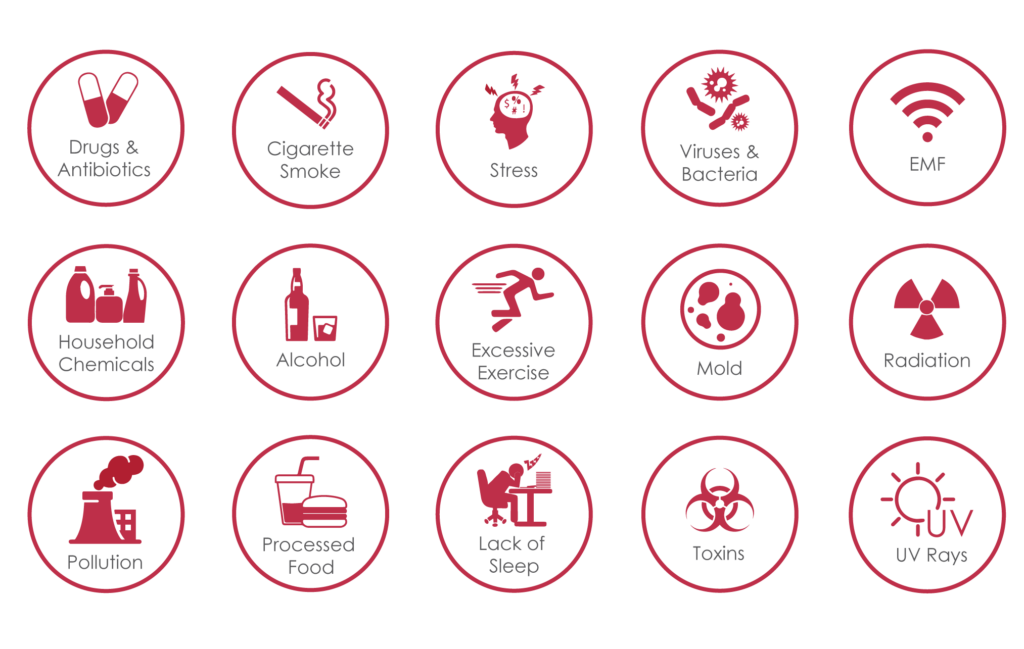
Health goes beyond just the mind. There's no difference between physical and mental ailments, as one always influences the other. Therefore, never choose an approach focused solely on one specific part of your body. Beyond the top three alternatives, you can accelerate your mental recovery by doing everything right. Eat healthily, exercise, connect with others, get some sunlight, and supplement as needed.
Ready for psychedelic therapy?
As you've read, connecting with the subconscious is the key to success in alternative therapies. Hypnotherapy, EMDR, and breathwork therapy (meditation) all rely on the body's own psychedelics (neurotransmitters). While these natural psychedelics can achieve a great deal, the focus and duration of the therapy can never be as high as in psychedelic therapy. This is why psychedelic therapy is considered the ultimate form of EMDR, hypnotherapy, and breathwork therapy.
Would you like to try EMDR, hypnotherapy or breathing therapy first, or would you go straight for the most comprehensive and intense approach?