The history of LSD therapy

LSD is a synthetic drug that was first synthesized in 1938 by the Swiss chemist Albert Hofmann. In the 1950s and 60s, it was experimented with by the CIA as a potential truth serum and mind control agent. LSD therapy was possible in the 1960s and subsequently became quite illegal. During the 1960s, LSD became popular with youth and hippies due to its hallucinogenic and mind-altering effects. Because of these effects, LSD was soon banned in the United States and most other countries due to its potentially harmful effects on the brain and psyche, as well as the increasing concerns about recreational use and abuse. Since the last ten years, research has been allowed and conducted more frequently. The potential as a therapeutic support for LSD is high.

Legal LSD therapy

In the Netherlands it is possible to offer legal LSD therapy by using LSD analogues, which are substances that are structurally and in terms of their effects similar to illegal LSD. This LSD analogue works after ingestion the same way as LSD-25, but is not listed as an illegal substance in the Dutch Opium Act. Because LSD is not yet classified as a medicine, according to current legislation a LSD session So, no official treatment that replaces regular psychiatric care. Yet, thanks to legal analogues and the replication of future LSD therapy, we can already offer a comparable alternative.

The mechanism of action of LSD

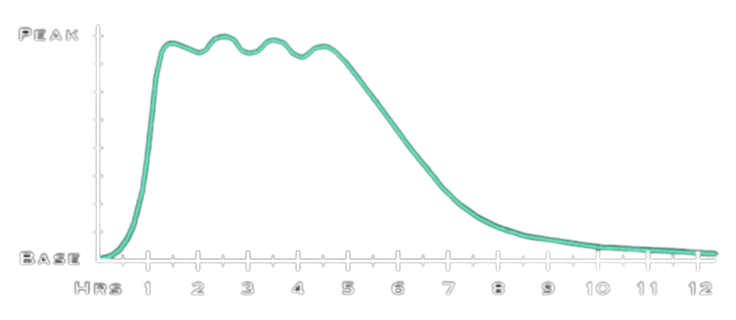
LSD affects your brain and your perception. The first effects of LSD begin about 30 minutes after ingestion and the peak of the effects occurs on average after 75 minutes. These effects can be divided into what you experience and what is measurable in the brain. The total duration of an LSD trip averages 8 hours with an afterglow of about 4 hours.

LSD therapy duration

LSD in science

In recent years, more research has been conducted on LSD and the added value of LSD during therapy. LSD therapy works well through several mechanisms of action. One of them is that LSD reduces the activity of the neurotransmitters serotonin and dopamine. amygdala, an area of the brain involved in anxiety and emotion regulation, is reduced. This can lead to a decrease in negative emotions and an increase in positive emotions. Another explanation is that LSD connectivity It changes between different brain regions, allowing new perspectives, insights, or meanings to emerge. This can help break through entrenched thought patterns or beliefs and process traumatic experiences. A third explanation is that LSD neuroplasticity, The ability of the brain to adapt and change is enhanced. This can lead to an improvement in learning ability, memory, and mood. Due to these mechanisms, research is being conducted on the effects of LSD in the treatment of the following complaints and/or conditions.

Depression

Various studies have been conducted on the use of LSD for depression, although most of them took place in the 1960s and 1970s and were often unstructured or uncontrolled. However, recent interest has led to controlled studies that have yielded several promising results.

For example, in 2014 a small, placebo-controlled study showed that a single dose of LSD temporarily improved mood in patients with depression. Another study in 2020 also showed that in combination with psychotherapy, LSD reduced the symptoms of depression and anxiety in patients with a life-threatening illness.

Fear

Research from 2021: From research to treatment: LSD-assisted psychotherapy in existential anxiety.
This study investigated whether the psychedelic drug LSD can be effective as a treatment for patients who have anxiety and mood disorders in the final stages of their lives.

Research from 2019: Evaluation of the potential of LSD-assisted therapy for the treatment of anxiety
In this study, the potential of LSD-assisted therapy was investigated as a treatment for anxiety disorders. Positive results were found and it was suggested that further research is needed.

Research from 2016: The effects of LSD-assisted psychotherapy in patients with anxiety disorders
This study investigated the effects of LSD-assisted psychotherapy in patients with anxiety disorders. Positive results were found and it was concluded that further research is needed.

Addiction

Several studies have been conducted into the possible effects of LSD on addiction. One of them is a study from Great Britain, in which twenty volunteers with depression or addiction were given LSD and followed with brain scans. The researchers found that LSD caused a significant reduction in the levels of dopamine in the brain. default mode network (DMN), a network of brain regions involved in self-reflection and identity, was temporarily deactivated. This could lead to a reduction in negative thoughts, an increase in awareness, and a change in perspective. Another study is a meta-analysis of six studies from the 1960s, in which 536 patients with alcoholism received LSD as part of their treatment. The meta-analysis found that LSD had a significant positive effect on reducing alcohol abuse up to six months after treatment. The researchers suggested that LSD spiritual of Mystical Experience can generate change in values, goals, and priorities.

Overview

In addition to the studies mentioned earlier on LSD for depression, anxiety disorders and addiction, there are also ongoing studies on PTSD, OCD, personality disorders, autism spectrum disorder (ASD), cluster headaches, chronic pain, Alzheimer’s disease, Parkinson’s disease, multiple sclerosis, and more. Via the button below.

LSD session at Triptherapie

Triptherapie has included the LSD session in its psychedelic services since 2019. Although most clients choose psilocybin therapy, As a result of the media attention and the positive research results achieved in clinical trials, the demand for LSD therapy is growing. About 80% of our clients choose a psilocybin session, 15% choose MDMA therapy, and 5% choose LSD therapy. This may seem relatively few, but that amounts to 1 in 20 people.

One advantage and disadvantage of LSD sessions is the long duration of action of LSD, which means that we often discourage people who have never used psychedelics from taking them. This is because when people experience the psychedelic state as unpleasant, LSD would be too unpleasant to experience for too long. We usually advise inexperienced people to first try a shorter-lasting psilocybin session to gain experience.

Contraindications to LSD therapy

According to various studies, LSD is just as safe as psilocybin as a psychedelic drug. However, combinations with various medications or conditions can be dangerous. It is therefore important to undergo an intake process before booking an LSD session. The intake is a check-up and can help determine whether there is an increased risk of adverse effects, such as panic attacks, paranoia, hallucinations, and other psychological problems. Furthermore, the intake also serves as the basis for the personal advice in preparation for the LSD session.

  • Lithium medication
  • Tramadol medication
  • MAO inhibitors, SSRIs, antidepressants or antipsychotics
  • An increased risk of psychosis
  • Paranoid susceptibility
  • Susceptibility to suspicion
  • High blood pressure or heart problems
  • Younger than 23 years old
  • Pregnant and/or breastfeeding
  • PTSD and severe trauma

Booking an LSD therapy session

The client Triptherapie can choose where the LSD therapy is conducted. We prefer to visit them at their home, hotels, vacation homes, or Airbnb. We also offer these sessions at our own location in Schiedam. We can guide individual sessions and groups of up to eight people. If an LSD session is booked for therapeutic effects, we recommend not to make the group too large.

The facilitators who guide LSD sessions are Marcel, Sascha, Ronald, Gijs, Reineke and Janneke. You can open the profile pages of these therapists via the overview below or calculate what an LSD session costs at your location using the calculation module.

Home-based calculation module session

Enter address or place name:

About the LSD instructors

If you want to know more about the therapists and trip sitters who can work with LSD and LSD analogues, you can get acquainted below, visit their LinkedIn pages, check availability via the calendar option, or read the reviews left by other clients about the respective guide.

Janneke van de Geijn, confidant and psychedelic facilitator

Janneke van de Geijn

Trusted contact person & Psychedelic guide

372 guided sessions
NL · EN

Lifestyle coach and trusted advisor. Responsible for customer contact and preparation; available for sessions only when necessary.

Every one of den Neucker, integrative psychotherapist

Elke van den Neucker

Integrative psychotherapist

195 guided sessions
NL · EN · FR

Self-employed in the Netherlands

Integrative psychotherapist with experience as a teacher and supervisor; additional training in IFS and integration.

Ylva Doorewaard Boekhout, GZ psychologist and advisor

Ylva Doorewaard Boekhout

health care psychologist

Supportive advisor
NL · EN

BIG number: 19930515225

Adviser for psychological care, safety and integration. Does not offer psychedelic sessions.