
Psychedelic therapy and guidance
Psychedelic therapy is a collective term for various forms of guidance in which a psychedelic experience is part of a personal or therapeutic journey. The term is used for clinical research, psychotherapy using a psychedelic substance, psychedelic coaching, and guidance surrounding preparation, the session, and integration.
Colloquially, psychedelic therapy is sometimes also referred to as Triptherapie. However, Triptherapie is primarily the name of our organisation and of our own working method. At Triptherapie we combine preparation, a guided psychedelic session and integration. Depending on the personal situation, this can be supplemented with additional psychological or psychosocial support from one of our therapists.
A psychedelic experience can provide new insights into thoughts, emotions and personal patterns. The experience can also be intense, confronting or confusing. That is why a programme does not start with taking a substance and does not end as soon as the effects wear off.
Check the availability of guided psychedelic sessions:
Different names
Various terms are used for psychedelic guidance. Their meanings are not always exactly the same. The terms below are used relatively often for individual psychedelic sessions.
Psychedelic therapy
A general term for guidance where a psychedelic substance is part of the process. The term can refer to research, psychotherapy, coaching, or a guided session.
Psychedelic-assisted therapy
Here, a psychedelic substance is used within a therapeutic protocol involving preparation, a guided session and follow-up discussions.
Psychedelic therapy
An older or general term for guidance using substances that can strongly alter perception, such as LSD, DMT, mescaline or psilocybin.
Entheogenic therapy
A term from spiritual and religious contexts. Some people experience a psychedelic session as spiritual, but that is personal and not the same for everyone.
psycholytic therapy
A historical term for guidance using relatively low doses of psychedelics, which could make emotions and memories more accessible within psychotherapy.
psychedelic therapy
Our term for integrated psychedelic facilitation, with a focus on preparation, setting, facilitation during the session and subsequent integration.
What are psychedelics?
Psychedelics are psychoactive substances that can temporarily alter perception, mood, thoughts and the perception of time. Examples include psilocybin, LSD, MDMA, DMT and ayahuasca.
Some psychedelics occur naturally in mushrooms, plants or other organisms. Other substances have been developed in a laboratory. In various cultures, plants and mushrooms have long been used for ritual, spiritual or medicinal reasons. Modern scientific study of psychedelics mainly took shape in the twentieth century.
How do psychedelics work?
Psychedelics do not all work in the same way. Psilocybin is converted into psilocin in the body. Psilocin affects serotonin receptors, among others, including the 5-HT2A receptor. LSD also acts strongly on the serotonergic system, but has a different duration and effect. MDMA has yet another pharmacological profile and is therefore not considered a classic psychedelic.
Researchers are studying various possible explanations for the psychological effects of psychedelics. Among other things, they are looking at:
changes in the activity and mutual communication of brain networks;
the role of the 5-HT2A receptor;
temporary changes in fixed patterns of thought and behaviour;
potential changes in neuroplasticity;
the influence of expectation, context and guidance;
emotional processing and the experiencing of meaning.
The Default Mode Network
The Default Mode Network, often abbreviated as DMN, is a network of brain regions involved in, among other things, self-referential thoughts, memories and thinking ahead to the future. During psychedelic experiences, some studies observe altered activity or coherence within this network.
Some researchers suspect that this may be linked to a temporary reduction in rigid self-images or recurring thought patterns. Participants sometimes describe this as greater detachment, openness or a different perspective on themselves.
Neuroplasticity and BDNF
Neuroplasticity is the ability of the nervous system to adapt connections and patterns. In laboratory research, changes in processes associated with neuroplasticity are being investigated for some psychedelics.
Also BDNF, a protein that plays a role in the development and maintenance of nerve cells, is being studied in this context.
mTOR and other biological processes
Signal pathways such as mTOR are also linked to the effects of some psychedelics in preclinical research. Such processes may potentially contribute to changes in synaptic connections or learning processes.
What might someone experience during a session?
The experience varies greatly depending on the person, substance, dose, setting, expectation, and physical and psychological condition.
Participants sometimes describe:
changed colours, shapes and sounds;
a different experience of time;
heightened emotions;
a sense of belonging;
introspection;
access to memories or feelings;
a changed view of oneself;
a meaningful or spiritual experience;
temporary confusion or difficulty letting go of control.
Some participants use words like ego loss or ego death for a temporary change in their usual sense of identity. That can be experienced as liberating, but also as frightening.
A session can begin calmly, but can also evoke tension when someone notices that their usual control offers less stability. An experienced facilitator can help by remaining calmly present, providing explanations and safeguarding practical safety.
Emotions are allowed to be experienced during a session, but they do not have to be forced. Not every emotion is a hidden trauma and not every thought during a psychedelic experience is a fact. Integration afterwards helps to place the experience in perspective.
Integration after the psychedelic session
Psychedelics and mental health problems
Research is being conducted into psychedelics for various mental health conditions and disorders. Examples include depression, anxiety related to serious illness, PTSD, addiction issues, social anxiety, and existential concerns.
Some participants report that after a session they experience more hope, space, or distance. Others notice that they are more comfortable talking about certain topics or paying more attention to their behavior. Such experiences can be meaningful, but are not evidence that a session treats an illness.
Depressive symptoms
Psilocybin is being studied in clinical trials for depression and treatment-resistant depression. Some studies show a reduction in depressive symptoms when psilocybin is administered within a carefully prepared protocol with psychological support.
Anxiety and social anxiety
Some participants describe more self-acceptance, emotional space, or connection after a session. Psilocybin is also being studied for anxiety disorders, including in people with a serious physical condition.
Trauma and PTSD
Psychedelics are being investigated in relation to trauma and PTSD. MDMA, for example, is being investigated as a supplement to structured psychotherapy. One possible explanation is that some participants experience more safety, trust, or emotional openness during a guided protocol, which makes discussing traumatic memories less likely.
Addiction
Researchers are also studying psilocybin and other psychedelics in the context of addiction issues. Some participants report that they look at their substance use differently or experience more motivation to change habits during or after a session.
Burn-out and overwork
Some people use a psychedelic experience as an opportunity to reflect on work pressure, boundaries, rest, and lifestyle. Participants can report that after the experience they pay more attention to signs of overwork.
Existential questions and fear of death
A psychedelic experience can evoke questions about meaning, mortality, identity, and interconnectedness. Some participants experience this as comforting or broadening their perspective. Others may, on the contrary, leave with new uncertainty or fear.
Is psychotherapy always necessary?
Psychological therapy is often studied in combination with psychological or psychotherapeutic support. This is because preparation and integration are important, and because participants sometimes need help to process intense experiences.
At the same time, the need for support varies from person to person. Some people primarily need a safe setting and practical support. Others want coaching or reflective conversations. People with complex mental health conditions may require more intensive psychotherapeutic or psychiatric care.
There is thus no universal form of support. The choice depends on your health, needs for help, previous experience, expectations, and the intensity of the session.
Different levels of support
You can view guidance as a spectrum.
On one side are people who primarily need practical safety, a quiet environment, and an experienced facilitator. In the middle are participants who want support in preparation, the session, and integration. On the other side are people who need a psychotherapeutic or psychiatric framework.
Some people are not suitable for psychedelic sessions, for example due to medical or psychological contraindications. Not participating can then be the safest choice. Therefore, always complete our intake form first to quickly check if you are suitable for our services.
Advice and registration
Due to the wide range of possibilities in psychedelic therapy, it may be difficult to make a choice. Furthermore, there are contraindications for the use of psychedelics that we want to check with clients who sign up for our services. To assist in making a good and safe choice, we ask you to complete the intake form found via the button below. Through the intake, we also receive information that serves as the basis for the advice we provide in preparation for the psychedelic session. An important part of the preparation is improving neurochemistry (neurotransmitters) to achieve a better session and mood. Start the Triptherapie experience now and start the intake!
The various psychedelic sessions
Psilocybin
MDMA
LSD
DMT
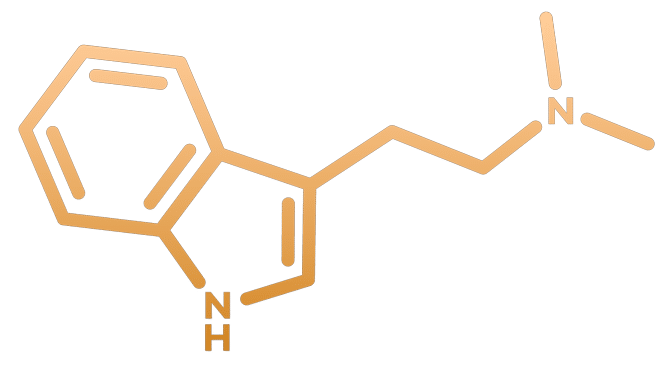
Psilocybin therapy
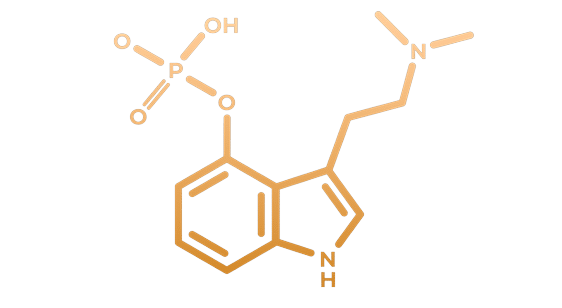
Psilocybin is a psychedelic substance that is found in certain mushrooms and magic truffles. In the body, psilocybin is converted into psilocin.
Research into psilocybin focuses, among other things, on depression, anxiety, addiction and other mental health conditions. Some studies show promising results when psilocybin is combined with psychological support.
Within Triptherapie his psilocybin sessions, he uses magic truffles as a basis. The effects can include altered perception, introspection, emotional intensity, and a different experience of time.
MDMA therapy
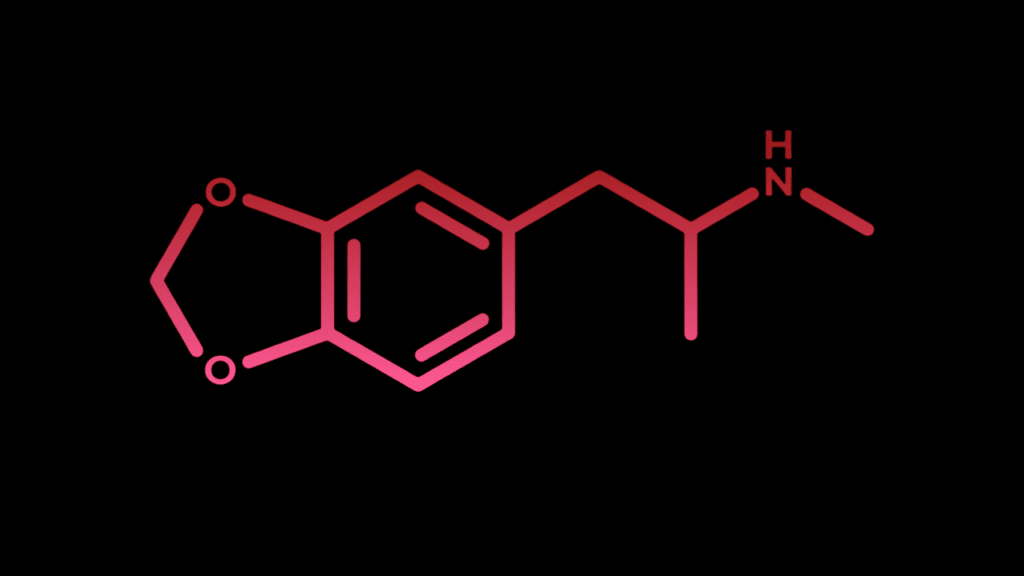
MDMA therapy is mainly used for PTSD and trauma. The MDMA sessions do not have as many visual hallucinations as they do emotional effects; generally, they provide feelings of euphoria and empathy while talking about the negative experiences in the past can be done without blocking. An MDMA session is seen as a huge accelerator of exposure therapy. MDMA sessions can only take place in the Netherlands if the client has MDMA or an MDMA analogue on hand.
LSD therapy
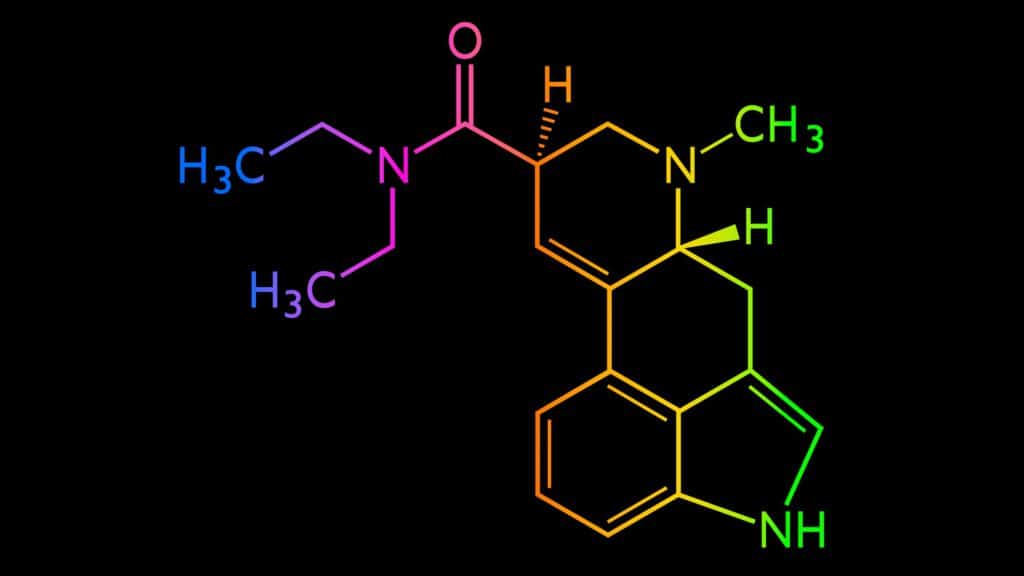
During the LSD sessions, we use a legal analogue of LSD that is converted into regular LSD after ingestion by the body. In this way, we can conduct the LSD session legally. The LSD sessions last much longer than all other psychedelic sessions, and therefore we recommend these sessions only when you already have some experience with the effects of other hallucinogenic psychedelics and the long-lasting effects are desired.
Wizardflip session
Another combination of psychedelics that is becoming more common in recent times is the Wizardflip. This combination consists of LSD and psilocybin. Customers who often choose this mix often want a strong visual trip, but without the long-lasting peak effects that are often present with LSD trips. People with Obsessive Compulsive Disorder (OCD) are more likely to choose a wizardflip to combine the therapeutic value of both psilocybin and LSD.
DMT therapy and ayahuasca
Ayahuasca is a very well-known plant medicine from the Amazon and contains DMT. Due to the presence of DMT, ayahuasca is illegal in the Netherlands. We offer alternatives in the form of higher-dose psilocybin sessions, psilohuasca, or psiloflora for individuals who wish to utilize the healing and spiritual properties of DMT or ayahuasca.
Psiloflora is a combination of psilocybin and the mild MAO-blocking flower of the passionflower, which makes it a form of psilohuasca. The mild MAO-blocking and sedative properties make for a stronger and longer journey into the inner self than psilocybin on its own. Due to the extended duration and the enhanced trip, psiloflora is only recommended for individuals who have had psychedelic experiences before. Psiloflora can be used for the same reasons as psilocybin, but the emphasis is slightly more on evoking a spiritual experience.
What Triptherapie can be offered
Within the program, supervisors Triptherapie work with people from different backgrounds. Some supervisors have experience in psychology, psychosocial therapy, or mental health care. Other supervisors focus on practical support, preparation, and integration.
The training and role vary from facilitator to facilitator. Not every facilitator is a psychologist, psychotherapist, or a BIG-registered therapist. Therefore, please check beforehand who is guiding the session and what expertise is involved.
Frequently asked questions
The most frequently asked questions about psychedelic therapy
See here the answers to the most frequently asked questions about psychedelics and psychedelic therapies. If the answer isn’t there, you can also ask your questions to our chatbot Trippy or contact us.
Medical psychedelic therapy is an innovative and currently still experimental treatment method aimed at alleviating mental health conditions through the use of psychedelic substances. During this therapy, the psychedelics are ingested in a controlled environment under the guidance of a therapist. After the experience, when the effects of the substances have worn off, the therapist conducts an ‘integration session’ with the client. These sessions help in processing the experiences and insights gained and in integrating the new perspectives into their daily lives.
Treatment with psychedelic substances, as we do at Triptherapie, can have various objectives, but must not be or be called a medical treatment. However, the alleviation of psychological complaints is often mentioned as a secondary benefit of Triptherapie. Our therapy may be used to contribute to increased self-awareness, improved mental health and the development of new life perspectives. This can help with depression, addictions, anxiety symptoms and can be used for personal growth.
Potential benefits of psychedelic therapy include the reduction of symptoms of psychological problems, such as anxiety and depression, which can lead to an improved mood and a greater sense of happiness and well-being. In addition, it offers greater insight into oneself, which can result in an improved quality of life. The increased neuroplasticity ensures that the brain can change and recover more easily, which is especially advantageous for clients who do not respond to traditional treatments.
At present, health insurers do not reimburse psychedelic therapy. For the time being, psychedelic therapy is not yet recognised as a medical treatment and is rather regarded as coaching under the influence of a recreational substance. We expect that psychedelic therapy will only be partially reimbursed under certain conditions by 2026/2027. By that time, more studies will have been completed and health insurers may be less hesitant.
In the Netherlands, many psychedelic substances are included in the Opium Act, meaning they are not legally available. This can pose a challenge for people interested in psychedelic therapy. Fortunately, we are able to offer legal therapies using psychedelic substances that do not fall under the Opium Act. A widely used option is magic truffles, which contain the same active ingredients as the prohibited magic mushrooms, but are legal and can make a valuable contribution to therapeutic sessions. For other substances such as LSD sessions, legal analogues can be an option.
Based on the results of scientific research, psychedelic therapy has a positive effect on various mental health conditions, including depression, where it can be particularly effective for treatment-resistant depression. In addition, it offers potential for the treatment of anxiety disorders, including panic disorder, social anxiety disorder and obsessive-compulsive disorder (OCD). Post-traumatic stress disorder (PTSD) can also be addressed with psychedelic therapies. Furthermore, other studies show that addictions to alcohol, nicotine, cocaine and opioids can be reduced by psilocybin therapy. Moreover, positive results have been reported in the treatment of cluster headaches and existential anxiety, underlining the versatility and potential of psychedelic therapy.
The risks of psychedelics include psychological reactions such as anxiety, panic, paranoia and confusion, as well as physical reactions such as nausea, vomiting, headaches and dizziness. There is also uncertainty regarding the long-term effects. There are also dangerous interactions with medication, which is why a thorough intake procedure is important!
You can book a psychedelic session at Triptherapie via the website. A individual session of group session That is possible, but please fill out the intake form first so we can check whether we are able to help you in connection with any contraindications.