



Can you solve a neglected burnout with psychedelic therapy?
Therapeutic sessions using psychedelics, such as MDMA and psilocybin, may catalyze recovery in people with neglected burnout. These psychedelics have been shown to improve emotional processing and reduce anxiety and depression. During psychedelic sessions, participants may experience feelings of increased openness and introspection, which can help explore the underlying emotions and traumas that underlie burnout.
Ignoring the burnout
Living through burnout feels like a long journey through a fog where the balance between body and mind has been disrupted. Daily tasks become a burden, and connection with yourself weakens. This state is the result of a long process in which inner resources are depleted. A sense of distance from who you truly are arises. Going through this period requires attention to both your physical and mental well-being.
The causes of burnout are often complex and multifaceted. Both external factors and personal choices play a role. Prolonged workloads, a lack of relaxation, and the absence of recovery time contribute to the tension. Personal ambition and the inability to set boundaries can also take a toll on your energy. Underlying beliefs and a mismatch between expectations and reality prevent your body's signals from being heard.
The consequences
The consequences of neglected burnout affect every aspect of life. Physical complaints such as sleep problems, heart palpitations, and muscle pain are common. Simultaneously, emotional complaints arise, such as feelings of emptiness and isolation. This leads to a vicious cycle in which mental and physical well-being negatively influence each other. Quality of life diminishes as the burnout worsens and a sense of powerlessness creeps in.
The chemical adrenal fatigue
Prolonged stress exhausts the adrenal glands. These glands produce hormones that help your body cope with stress. When demand remains high for too long, this system is disrupted. The balance between cortisol and other hormones is disrupted, affecting both energy levels and the immune system. Research shows that this chemical depletion contributes to feelings of fatigue and a lack of resilience, making recovery even more challenging.
The role of the amygdala
The amygdala is a vital part of the brain involved in emotional processing. During persistent stress, this structure often reacts with heightened vigilance and anxiety. An overactive amygdala amplifies negative emotions and can lead to a constant state of alertness. This observation is echoed in research showing that restructuring this brain region can contribute to better emotional balance. Adjusting amygdala activity thus offers an opportunity to break old patterns.
Recovering without psychedelics
Traditional recovery programs focus on conversations, coaching, and mindfulness. These methods help reduce stress and contribute to restoring mental balance. While effective for many people, some find that the accumulated patterns are so deeply ingrained that conventional therapies don't always offer sufficient breakthroughs. Recovery without psychedelics is often slow and can perpetuate the feeling of stagnation.
MDMA for burnout recovery
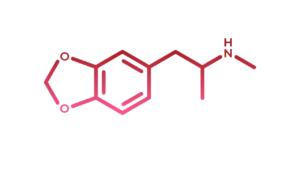
MDMA therapy for burnout may be effective due to its potential influence on the amygdala and the stress response. Several scientific studies have shown that MDMA can reduce amygdala activity and alter the functional connectivity between the amygdala and other parts of the brain.
A study conducted by Carhart-Harris et al. (2015) showed that after a single dose of MDMA, functional connectivity between the amygdala and the prefrontal cortex was reduced. This suggests that MDMA may have a temporary dampening effect on the amygdala, the part of the brain involved in processing emotions, including fear and stress.
Furthermore, research has shown that MDMA increases the release of neurotransmitters like serotonin and oxytocin, which are involved in regulating mood, empathy, and social behavior. This increased neurotransmitter activity may contribute to stress reduction and promote stress reduction during MDMA therapy.
Psilocybin for neglected burnout
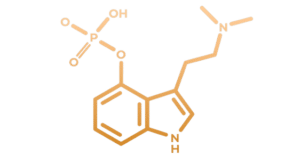
Psilocybin is increasingly being researched as a treatment for burnout. During a well-guided psilocybin session, this substance can provide insights that would otherwise seem unattainable. Clients report that the experience helps them let go of old thought patterns and experience a renewed sense of connection. This can contribute to reducing stress associated with burnout. Scientific publications show that psilocybin can promote neuroplasticity. This helps the brain create new connections and further facilitate recovery.
Another recent study has shown that psilocybin can reduce the production of inflammatory markers such as TNF-α, IL-6, and CRP. These markers are involved in inflammatory responses in the body and, when elevated for long periods, can contribute to symptoms of depression and anxiety. By lowering inflammatory levels, psilocybin may also help reduce stress and burnout symptoms in this way.
Our approach at Triptherapie
At Triptherapie, a personal and safe approach is central. Experienced counselors create an intimate atmosphere where you can process inner blockages. A psychedelic session offers the opportunity to break through restrictive patterns. We also support you with integrated experiences that integrate the insights you gain into your daily life. This program is based on both scientific insights and practical experience and focuses on restoring balance between body and mind. The result is a customized program that offers space for growth, connection, and renewed energy.
Complete contact or intake form
Interested in registering for a psychedelic session at Triptherapie? Complete the free intake form now. Have any questions? Check out our FAQ section or contact us.
Frequently asked questions about burnout
When the body and mind are under prolonged high pressure, burnout can develop. In many cases, this signal is ignored, and the exhaustion grows unnoticed. Neglected burnout goes beyond the standard signs of stress. It strikes at the core of a person's joy in life and creativity and can lead to feelings of despair and isolation. The focus here is on restoring balance to the nervous system and rediscovering one's own strength.
This means that the signals of excessive stress and exhaustion are ignored for a long time. The result is a deep-seated feeling of fatigue that affects both physically and emotionally.
Long-term stress disrupts hormonal balance by exhausting the adrenal glands. This reduces the body's resistance to stress and contributes to the symptoms.
MDMA can induce a heightened sense of connection and safety. Under the guidance of a therapist, this allows for the exploration and processing of deep-seated emotional blockages.
Psilocybin is used in a controlled setting, and suitability is determined in advance through a personal consultation. A safe environment and professional guidance are essential.
General FAQ
Looking for a different question and answer? You can also use the search function on our site, consult the frequently asked questions section, or ask our chatbot, Trippy.
The recent questions from the Q&A
Psychedelic session for clients from abroad
How do I book psychedelic therapy in the Netherlands if I'm traveling from abroad? What are the options?
NPS law and MDMA analogues
Which MDMA analogues will become illegal as of July 1, 2025, due to the amended Opium Act?
Psychedelic therapists
Which of the therapists at Triptherapie are trained as psychologists and the like?
Truffle ceremony with psilocybin
How many truffles or mg of psilocybin do you get approximately during the magical truffle ceremonies?