



Ketamine in science
Ketamine treatments are being studied and applied in scientific research because this ketamine has unique, rapid effects that many other conventional therapies don't offer. Its most important effect is the rapid relief of treatment-resistant depression and suicidal thoughts, where conventional antidepressants often take weeks to work.
In addition, clinical research shows that ketamine can reduce pain and improve quality of life in patients with chronic pain. Furthermore, ketamine, in combination with therapy, can reduce PTSD symptoms.
Besides its clinical applications, ketamine's unique mechanism of action plays a role in the effectiveness of ketamine therapies. By blocking NMDA receptors and stimulating the release of glutamate and BDNF, it can restore synaptic plasticity in the brain, which is beneficial in conditions involving disrupted neural connectivity. Furthermore, both preclinical and clinical studies have found evidence of neuroprotective and anti-inflammatory effects, leading ketamine to be studied for neurological conditions such as status epilepticus, neuropathic pain, and even perioperative brain protection.
Contraindications to ketamine use
Ketamine and the various ketamine analogs we have experience with are relatively safe substances when used occasionally and under the right conditions. However, certain combinations with medications or underlying conditions can carry risks. Therefore, it's important to go through an intake process before booking a ketamine session. During this intake, we assess whether there is an increased risk of adverse effects or dangerous combinations. Furthermore, the intake forms the basis for personalized advice on preparation, lifestyle, and mindset, so that the ketamine session can be guided safely, effectively, and personalized.
Guidance around ketamine session
A ketamine or ketamine analog Each session at Triptherapie is carefully managed from registration to integration. The therapist is present during the session as a trip sitter for harm reduction and guidance towards personal goals. The session always begins with an intake session, during which health, medication use, and intentions are discussed. Based on this, we determine whether a session with a ketamine analog is even possible and which therapist is most suitable. Please note: this is not a medical treatment and/or intake. If you have any doubts about safety, we will refer you to a medical specialist.
During the preparation phase, you'll receive personalized lifestyle and mental health advice to support neurotransmitter balance and ensure the session is as safe and effective as possible. A week before the session, you'll have a preliminary consultation with the therapist to discuss your goals and expectations, and to provide any exercises or assignments you may need.
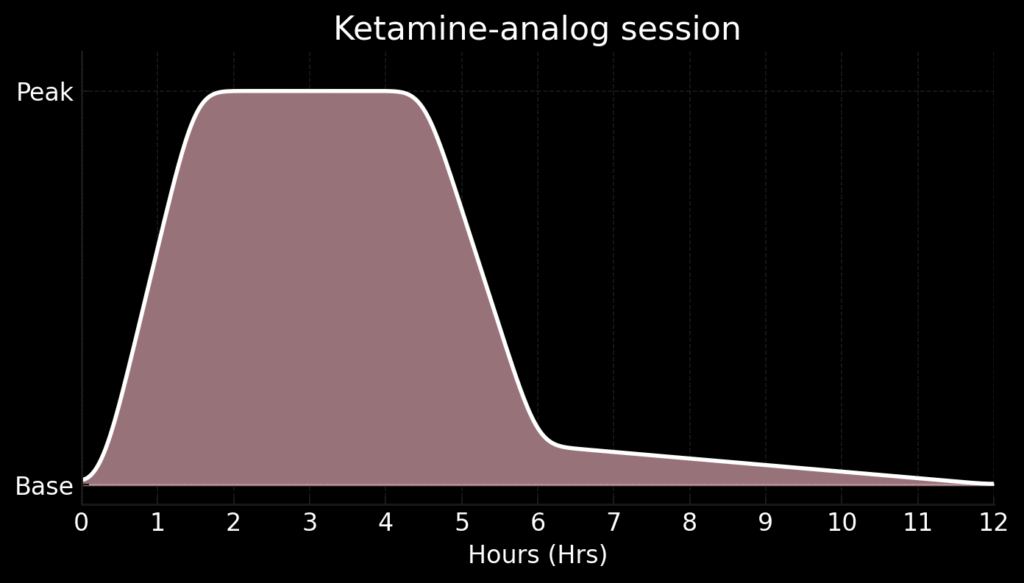
During the session itself, time is taken to quietly review intentions and ask questions. Following the intake, there are usually several hours of introspection, silence, and guidance as needed. The peak lasts an average of one to three hours and then gradually subsides, allowing time for debriefing and initial integration.
The integration phase often begins during the coming-down phase. A one-hour integration session is included as standard, usually a few days after the session, to deepen insights and translate them into daily life. Those who wish can opt for additional integration sessions or group integration based on methods such as psychodrama or IFS. This way, the experience is not only understood but also integrated emotionally and physically.
Book a therapeutic session with ketamine
You can choose where your ketamine or ketamine analog session takes place. Depending on your preference, our counselors will visit you at home or lead sessions in hotels, vacation rentals, or Airbnb accommodations. We also offer these sessions at our own location in Schiedam. Both individual and group sessions for up to eight people are possible. When booking a ketamine session for a therapeutic purpose, we recommend keeping the group size small to ensure more personal attention and depth.
The therapists who can lead sessions with ketamine and ketamine analogs are Marcel, Sascha, Ronald, and Gijs. You can view the profile pages of these therapists via the overview below or calculate the cost of a session at your location using the calculator.
Ketamine counselors
Triptherapie employs several therapists and trip-sitters experienced in facilitating sessions with ketamine and ketamine analogues. Below, you'll find an overview of the facilitators who offer this type of session. You can open their personal profile page by clicking on their image or name. The icons below the counter showing the number of guided psychedelic sessions will take you directly to their LinkedIn profile or reviews. You can also use the calendar button to view each facilitator's availability and reserve a preferred date for your session.

With a background in chemistry, a passion for philosophy, and extensive knowledge of psychology and health, his approach is holistic. Marcel is a full-time trip leader. With over 2,200 guided sessions, Marcel is the most experienced member of our team.

Ronald is a psychosocial therapist and has completed the following training: Jungian Philosophical Therapist, Psychodrama Therapist, Master Voice Dialogue, Transformational Psychology, Internal Family System (IFS), Mindfulness and Compassion Trainer.

Sascha has a solid foundation as a psychedelic therapist, thanks to her psychology studies, Master's degree in Clinical Psychology, and experience working in addiction treatment, (specialized) mental health care, and rehabilitation as a psychologist. She also has additional training in cognitive behavioral therapy and EMDR.

Gijs has 20 years of experience in outpatient mental health care. He taught and supervised the Mental Health and Addiction Care program at the HAN University of Applied Sciences Arnhem Nijmegen. He also has extensive experience in mindfulness, talk therapy, neurofeedback, meditation, compassion training, and ACT.