
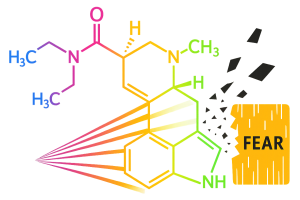
LSD and anxiety disorders
At Triptherapie, we support a growing number of people struggling with generalized anxiety disorder (GAD). This condition is known for its chronic worry, tension, and feelings of insecurity that can severely impact daily life. Conventional therapies and medications, such as SSRIs or benzodiazepines, don't always provide the desired relief and are often not sustainable.
The resurgence of psychedelic research is changing that. LSD (lysergide), in particular, is attracting renewed interest as a potential treatment for anxiety disorders. Intriguingly, a single session can reduce anxiety symptoms for months. But what is the best dosage for anxiety reduction?
Science and the correct LSD dosage?
In September 2025, the largest modern clinical trial of LSD in generalized anxiety disorder was published in JAMA Psychiatry. In this study, 198 adults with moderate to severe anxiety disorders were randomly assigned to different groups. Each participant received a single dose of 25, 50, 100, or 200 micrograms of LSD (MM120, pharmaceutical grade tartrate) or a placebo, after which they were monitored for several months.
25 and 50 µg
At these lower doses, the researchers saw little difference compared to the placebo group. This suggests that microdoses, or very low doses, for severe anxiety are often too subtle to achieve a clear therapeutic effect. While some people experience a slight improvement in mood or focus with microdosing, in this study, this was not enough to cause a significant reduction in generalized anxiety.
100 µg
This dosage yielded the best results. Participants reported a clear and clinically relevant reduction in their anxiety symptoms, which lasted for at least 12 weeks after the session. The effect was greater than in the placebo group and lasted much longer than what we typically see with traditional medications, where symptoms often return quickly after discontinuation.
200 µg
This higher dose also showed a significant reduction in anxiety, comparable to the 100 mcg group. However, the researchers noted that the experience was often more intense and sometimes accompanied by temporary discomfort, such as moments of anxiety or physical restlessness during the peak. Despite this intensity, many participants reported a sense of relief and greater acceptance afterward.
What makes this study particularly special is that psychotherapy was not permitted during the sessions. Participants were guided and monitored solely in a safe, comfortable space, but without any in-depth therapeutic intervention or guidance. Nevertheless, the effects on anxiety reduction proved to be strong and long-lasting. Coincidentally, we wrote about a week or so ago, before this study was published, that psychotherapy is often unnecessary for effectiveness. You can read more about this and the biological mechanism behind the positive effect of psychedelics here:
Combining LSD with psilocybin or MDMA
In addition to LSD sessions, we sometimes use combinations of substances. We always do this carefully, with an eye for safety, personal circumstances, and therapeutic goals. Not every client has the same needs or responds in the same way to a particular dose. Therefore, we consider the best approach for each individual, and other conditions besides anxiety may also influence the choice of a particular combination.
Wizard flip (LSD + psilocybin)
For clients struggling with both anxiety and depression, the so-called wizard flip (the combination of LSD and psilocybin) often proves particularly valuable.
- LSD has a strong cognitive effect: it opens the mind, promotes creative thinking processes and helps to view ingrained patterns from a different perspective.
- Psilocybin taps deeper into the emotional and spiritual layers, making it easier for people to access feelings that have often been suppressed for a long time.
- The combination can provide clearer visual effects and therefore visual insights.
The synergy between these two approaches can lead to powerful breakthroughs: clients experience how their fears are intertwined with unresolved emotions and are given the opportunity to process and release these in a safe environment. We find that for many people with anxiety and depression, this is an intense yet transformative journey, often leading to lasting inner healing and a greater appreciation for life.
Candy flip (LSD + MDMA)
For clients with anxiety complaints that closely resemble post-traumatic stress disorder (PTSD), we sometimes use a different combination: the candy flip, a session with LSD and MDMA.
- MDMA often produces increased positive feelings, safety, empathy, and can strengthen connectedness. This can help people approach painful memories without being overwhelmed by anxiety or flashbacks.
- LSD offers the opportunity to explore deeper layers of consciousness and to restructure old beliefs or traumas from a new perspective.
- The combination often makes for a trip that is considered safe.
Together, this can create a unique and powerful dynamic where people can better visually process their traumas and see their quality of life increase significantly.
LSD session under supervision at Triptherapie
At Triptherapie, we believe that guidance and integration are sometimes essential, but often offer significant added value. This is true regardless of the chosen dosage or combination, but with higher dosages, guidance gradually becomes a requirement for safety and effectiveness. A successful psychedelic session is a profound process that begins with careful preparation, which has an impact during the session itself.
Beforehand, we'll take the time to thoroughly get to know you and your situation. We'll discuss your medical history, current symptoms, lifestyle, and personal goals. Together, we'll determine the most appropriate dosage and medications. We'll also guide you in the weeks leading up to the session with practical advice on nutrition, supplements, and exercise, so your body and mind are in the best possible condition for the journey. This biochemical support helps optimally prepare your brain and body for the experience.
During the session itself, we create a sense of safety and security—these are two different things! For some clients, our presence in the background is enough to feel safe and completely let go. For others, active guidance is needed: a listening ear, a reassuring word, breathing exercises, or an intervention to break through any resistance.
After the session, you may need extra attention. The experience itself can be intense, but the lasting change comes partly from what you do with the insights afterward. That's why we focus so much on integration. During the integration session, we help you understand the experience, apply new perspectives to your daily life, and maintain the path to greater inner peace.

The amount of therapeutic support
During LSD sessions, it's important that we discuss your therapeutic needs and the role of the therapist helping you. Therefore, you can always discuss the level of guidance and the type of therapy that suits you best. Some clients opt for a purely psychedelic experience with the presence of an experienced trip sitter, who provides safety and ensures everything proceeds calmly and safely. Others require more substantive guidance, for which we can utilize various methods, such as:
- Psychological counseling: support from a psychologist who helps you work through anxiety patterns and understand underlying themes.
- IFS (Internal Family Systems): a method that helps you better understand and integrate parts of yourself. This can be particularly valuable for dealing with internal conflicts or persistent fears.
- Cognitive behavioral therapy (CBT): to practice new thinking patterns and let go of old, fear-driven beliefs.
- EMDR: a proven effective method for PTSD and trauma-related complaints, which sometimes works even more deeply in combination with psychedelics.
- Mindfulness and breathing techniques: to find peace during the session, release tension and get more in touch with the here and now.
- Spiritual guidance: for clients who are open to a broader, consciousness-oriented approach to their complaints and life questions.
Our role is to help you find the right balance between the inner work you do yourself and the professional support we offer. Sometimes this involves gentle, background guidance, sometimes it's an intensive therapeutic process. Everything is focused on giving you the best experience and the most lasting results, always with safety and personal alignment as our foundation. When completing the intake form, you can indicate your preferences so we can help you connect with a therapist or trip sitter.