
What is tyramine?
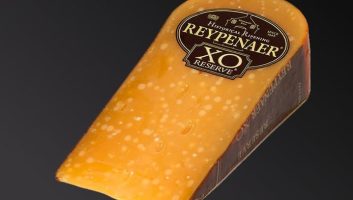
Tyramine is a monoamine found in aged cheese and other products. It can be formed by bacteria. Bacteria form it from the amino acid tyrosine, which is a building block of various proteins. In products containing proteins that are stored or aged, the tyramine content increases due to the breakdown of tyrosine into tyramine. Therefore, aged cheese contains much more tyramine than young cheese. Other food processing, including fermentation, yeasting, and smoking, also increases tyramine content.
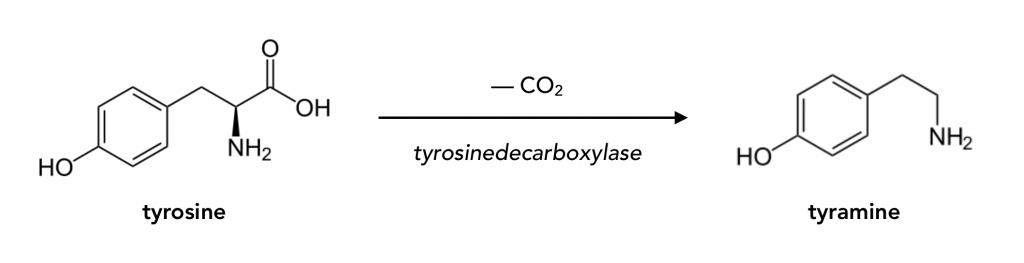
Tyramine plays a role in regulating blood pressure. Too much tyramine in your blood can cause high blood pressure, resulting in symptoms such as headaches. Normally, this doesn't bother you because certain enzymes break down tyramine. These enzymes are collectively known as monoamine oxidase, abbreviated MAO.
MAO inhibitors
Certain medications inhibit the action of monoamine oxidase. These classic or non-selective MAO inhibitors are prescribed for depressions and anxiety disorders when other antidepressants don't work. If you use this medication, your body doesn't sufficiently break down tyramine from food.
If you eat products containing tyramine in combination with these medications, the tyramine concentration in your blood becomes too high. This can cause a dramatic increase in blood pressure in a short time, which can be accompanied by a stabbing headache and, in the most serious cases, a cerebral hemorrhage. This is known as the "cheese reaction." Therefore, with non-selective MAOIs, you must follow a strictly tyramine-restricted diet. Your doctor and a dietitian can help you with this. Nowadays, there are also selective MAOIs that require less caution with tyramine; you just need to be careful with large amounts of aged cheese.
Cheese syndrome
Not only patients taking MAOIs experience problems after ingesting tyramine. Some people experience stabbing headaches or migraines after eating products high in tyramine. These people suffer from what's known as "cheese syndrome." It's troublesome, but not as dangerous as the cheese reaction in MAOI users.
Following a tyramine-restricted diet for trip therapy
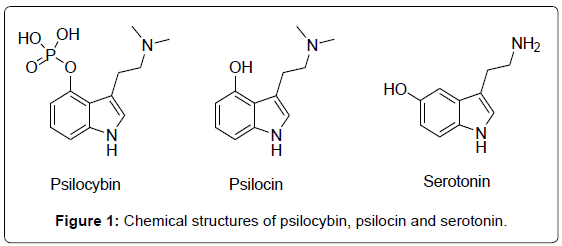
If we recommend following a tyramine-restricted diet with a trip therapy approaching, it's based on the following principle. Tyramine, serotonin, dopamine, and psilocin are examples of monoamines that are all broken down by monoamine oxidase. If you have a high tyramine intake in the days leading up to the trip therapy, your body will respond by making more MAO available. The higher MAO level corrects the excessive tyramine levels so you don't experience any physical symptoms. At the same time, the increased MAO activity also immediately lowers your serotonin and dopamine levels, which has a depressing effect. As soon as you undergo psilocybin trip therapy, the body converts psilocybin into the monoamine psilocin, which is also partially and more quickly broken down due to the high MAO levels. A tyramine-restricted diet therefore ensures that the trip therapy works better because psilocin is broken down more slowly.
What contains tyramine?
We recommend that you avoid a number of products for 2 to 3 days before the trip therapy.
Here is our advice regarding nutrition:
- Fruit types: No restriction
- Vegetables: No sauerkraut
- Herbs: No licorice, St. John's wort or ginseng.
- Meat: No raw, smoked or cheese-prepared meat or fish.
- Sliced meats: No sliced and processed meats
- Dairy: No cheese, no unpasteurized milk
- Seafood: No trassie
- Notes: No restriction
- Bread: No sourdough bread
- Soy products: No tempeh, soy sauce (ketjap), fish sauce, Tamri and Worcestershire sauce
- Drinking: No herbal tea with St. John's wort and/or liquorice.
- Alcoholic beverages. No alcoholic beverages.
- Yeast: No Marmite, Tartex, brewer's yeast, bread drink or Maggi.
- Ready-to-eat: All non-fresh meals are not recommended. Even your own leftovers should be cooled quickly and used within 24 hours.
Eat as little processed food as possible and always choose the freshest produce. Preparing your own food from fresh produce is much healthier in several ways and will contribute to an overall improvement in your (mental) health.
Other items for the trip session
In the two weeks leading up to trip therapy, absolutely no drugs may be used. The use of MAO inhibitors and other psychoactive medications should be reduced first. It is also best not to smoke during the period leading up to the trip.
More information about this via the link medication in combination with trip therapy and why tapering off is useful.