



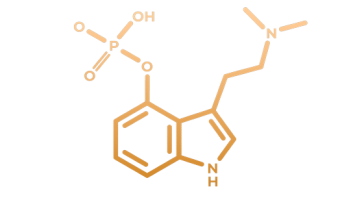
The return of MDMA as a therapeutic agent
MDMA is making a comeback when it comes to exploiting its therapeutic potential. Alongside LSD and psilocybin, MDMA was pushed into the background for years by being labeled an illegal and dangerous drug. Renewed research is ensuring that these substances are receiving the proper attention and can once again be used as therapeutic agents during psychedelic-assisted therapy (PAT). The video below explains the history of psychedelics and why they are coming back into use in therapy.
MDMA therapy can be used for various purposes
Most research conducted using MDMA as a therapeutic tool focuses on treating PTSD and anxiety disorders such as social anxiety. Below are the top three areas of research funded by the non-profit organization. MAPS.

Some other possibilities for MDMA-assisted therapy These are treatments for low self-esteem and relationship therapy. We expect that more research will be conducted in the coming years into other areas of research, such as addiction and depression.
The MDMA treatment explained
The positive effect of MDMA treatment is not solely due to the chemical effects of MDMA. The combination of the drug's effects, proper preparation, the therapeutic setting, the participant's intention, and the facilitator's involvement dramatically increases the success of a session. MDMA can temporarily reduce anxiety and dramatically increase positive emotions toward oneself and others. This increases trust without blurring sensory perception, while maintaining access to all emotions. MDMA can catalyze therapeutic processing by allowing participants to remain emotionally engaged while reliving traumatic experiences without being overwhelmed by excessive anxiety or other painful emotions. Furthermore, MDMA can facilitate a heightened state of empathic understanding within the therapeutic process and provide a corrective experience of secure attachment and cooperation with therapists. At some point during the MDMA experience, feelings of empathy, love, and deep appreciation can be experienced, along with a clearer perspective of the trauma as a past event and a heightened awareness of the support and safety present.
Research participants have reported successfully processing painful emotions during MDMA-assisted therapy, which has given them a way to feel and express pain, transforming their relationship with their emotions. MDMA can also provide access to meaningful spiritual and other transpersonal experiences, the release of tension in the body, and a sense of healing in a way that cannot be explained intellectually.
More information about the MDMA sessions
Do you want to learn more about MDMA therapyYou can read more about our MDMA sessions via the link below:
Want to watch a documentary about MDMA and its effects? We recommend How To Change Your Mind (Episode 3) on Netflix, which you can find at this link: