What is psilocybin?

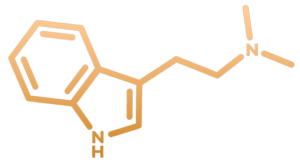
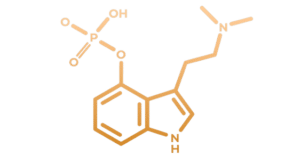
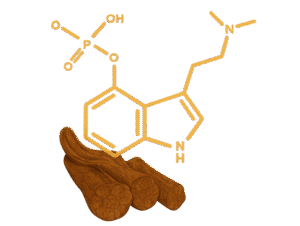
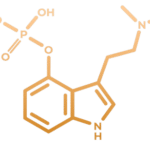
Psilocybin is a psychedelic substance that occurs naturally in certain mushrooms and truffles. The name is derived from the mushroom genus Psilocybe, But the substance is also found in other types of magic mushrooms that grow on almost all continents. The molecular formula is C12H17N2O4P.

Psilocybin itself is hardly psychoactive. It is only after the body has converted it into psilocin that the effects begin. This conversion is rapid and causes the well-known changes in consciousness, perception, and mood for which psilocybin is known.

On this page you will read about how psilocybin works, what it does, what scientific research says about it, and what the situation in the Netherlands is regarding guided sessions with legal psilocybin truffles.

Psilocybin in short

Active ingredient: Psilocybin is converted in the body into psilocin
Point of contact: Serotonin 5-HT2A receptor in the brain
Source: Naturally present in mushrooms (Psilocybe) and magic truffles
Introductory effect: Approximately 15-30 minutes after ingestion
Total duration of operation: Approximately 3 to 6 hours
Half-life (psilocin): About 2 to 3 hours
Legal status in NL: Magic truffles are legal, mushrooms (psilocybin) are not
Investigated by: Depression, addiction, anxiety, OCD and cluster headaches

The metabolism of psilocybin

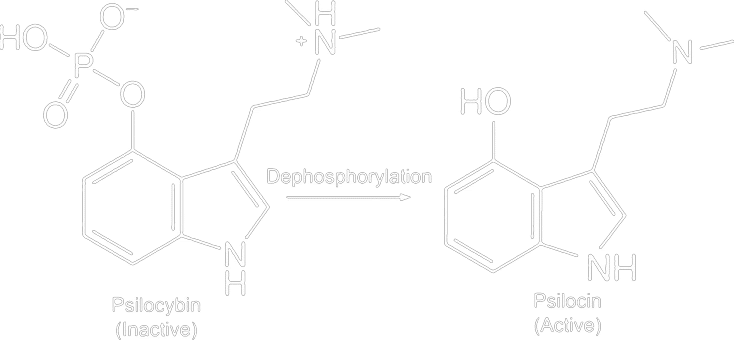
When you take psilocybin, your body converts the substance into psilocin almost immediately. This happens primarily in the liver, via the enzyme phosphotransferase. This enzyme removes the phosphate group from the psilocybin molecule, a process called dephosphorylation. The result is psilocin, the substance that is actually active in your brain.

Psilocybin itself hardly binds to the receptors responsible for the psychedelic effect. As soon as it is converted into psilocin, that changes immediately. Absorption occurs through the intestines, after which the substance is converted by the portal vein through the liver before reaching the bloodstream.

Psilocin after conversion to psilocybin

The main way in which dephosphorylation occurs is through the enzyme phosphase. Phosphase is a naturally occurring enzyme in the human body and is produced in the liver. This enzyme can hydrolyze the phosphate group, which converts psilocybin into psilocin, the active psychoactive component. Once psilocybin is absorbed through the intestines, it will first be converted by the liver via the portal vein.

Acidic environments such as the human body and especially the stomach can also cause psilocybin to be converted into psilocin.

The activity of psilocybin and psilocine

The difference between psilocybin and psilocin lies in their activity. Psilocybin itself has hardly any effect on the serotonin receptors responsible for psychedelic effects. Psilocin, the active form after conversion, binds strongly to these receptors.

The most important receptor in this system is the 5-HT2A receptor. Its activation causes characteristic changes in consciousness, perception, and thinking. In addition, psilocybin also has some effect on the 5-HT1A and 5-HT2B receptors, although this contribution to the psychedelic experience is smaller.

What does psilocybin do on these 5-HT receptors?

5-HT1A

The 5-HT1A receptor is involved in regulating mood and anxiety. Psilocybin partially activates this receptor, which can contribute to the relaxing and anxiety-reducing effects that people experience during a session. The heart rate, body temperature, and certain hormonal processes are also influenced by this receptor. Nausea and dizziness may be partly related to this.

5-HT2A

The 5-HT2A receptor is the key receptor behind the psychedelic effects of psilocybin. Its activation causes changes in consciousness, perception, and time perception. Visual and auditory experiences also stem from this receptor. Research shows that stimulation of this receptor is also associated with increased production of BDNF, a protein involved in neuroplasticity, the brain’s ability to change and form new connections.

5-HT2B

The 5-HT2B receptor plays a role in the regulation of blood pressure and heart rate. The contribution of psilocybin to this receptor is smaller than that of the 5-HT2A receptor. The psychedelic effects therefore occur primarily via the 5-HT2A receptor, not via 5-HT2B.

The subjective experience

What you experience during a psilocybin trip varies greatly from person to person. The dosage plays a big role, but also your mood at the time, the environment, and your personal sensitivity to psychedelics determine how the experience unfolds. Two people taking the same amount may have a completely different journey.

Many people describe colors becoming more intense, objects appearing to move or breathe, and a change in the perception of time. The hours can feel like an eternity, or conversely, like a flash. Music can penetrate deeper than usual.

In addition to the sensory effects, there is often a strong emotional and introspective aspect. Thoughts and feelings that normally remain in the background come to the surface. That can be liberating, but also confronting. It is not uncommon to cry, laugh, or both at the same time.

Some people describe spiritual or mystical experiences: a sense of connectedness with everything around them, the disappearance of the separation between themselves and the world, or a deep silence that is difficult to put into words. This type of experience is also referred to as ego dissolution or a unity experience.

At high doses, people sometimes speak of an ego death: self-awareness temporarily disappears almost completely. That sounds drastic, and for some it is, but others experience it as liberating. A mentor is of great value in such a case.

Ego-death

Users who take a lot of psilocybin sometimes speak of an ego death. The ego death is mainly related to a reduction in self-awareness. The effects described in the video are the effects that people can experience with a high dose of psilocybin.

It is also possible to experience an ego death without using psychedelic drugs, such as deep meditation/breathing exercises or something else that can bring you into the flow. There are also many similarities with a near-death experience.

Psilocybin and science

Scientific research into psilocybin has grown enormously over the past two decades. Universities such as Johns Hopkins, Imperial College London and NYU are conducting extensive studies into the therapeutic potential of the substance. The results are promising, although the research is still largely in clinical testing phases.

Studies show positive results especially in treatment-resistant depression, anxiety in severe illnesses, and addiction. Participants often describe long-lasting improvements in mood, increased self-compassion, and a renewed sense of meaning in life, even months after a single session. However, psilocybin is not yet an approved medical treatment in the Netherlands, and clinical research is also limited here.

Below is an overview of the focus areas where ongoing research is taking place:

  • Alcoholism (AUD, alcohol use disorder)
  • Nicotine addiction
  • Opioid addiction
  • Major depressive disorder
  • treatment-resistant depression
  • Anxiety symptoms
  • Obsessive-Compulsive Disorder (OCD)
  • Body Dysmorphic Disorder (BDD)
  • Anorexia
  • Alzheimer's
  • Parkinson's
  • Migraine
  • Cluster headache

Imperial College on psilocybin in depression

One of the most renowned researchers in this field is Dr. Rosalind Watts, a clinical psychologist at the Centre for Psychedelic Research at Imperial College London. In a TEDx talk, she explains how psilocybin, when used within a carefully guided therapeutic setting, can bring about sustained improvement in treatment-resistant depression. This is where regular antidepressants often fail.

Watts emphasizes a point that is also Triptherapie central: not just the substance, but the combination of preparation, guidance during the session, and integration afterwards contribute to the therapeutic effect.

Psilocybin therapy in the Netherlands

In the Netherlands, psilocybin itself is a prohibited substance. But there is an exception that is convenient for our customers: psilocybin-containing truffles are legal. Truffles contain the same active ingredients as magic mushrooms, but are legally outside the Opium Act. Guided sessions with psilocybin-containing truffles are therefore possible and are offered by us in the Netherlands.

However, these are not medical treatments in the clinical sense of the word. Healthcare insurers do not reimburse for these sessions. Therefore, we offer guided sessions as a coaching program, with preparation, the session itself, and integration afterwards being central.

This makes a guided truffle ceremony or truffle session in the Netherlands accessible to a lot of people interested in psilocybin. Read more about what such a session looks like here.

FAQ psilocybin

Below are answers to frequently asked questions about psilocybin: what it is, how it works, whether it is legal, and what you can expect from a guided session. Is your question not listed here? Ask it using the contact form or the Q&A forum.

What does psilocybin do to you?
Psilocybin therapy

Psilocybin is a substance that is found in magic mushrooms and is almost not psychoactive. Psilocybin only becomes psychoactive after being converted into psilocin.

Psilocybin has various effects on the user after conversion to psilocin, including hallucinations, changes in perception, increased sensitivity to sensory stimuli, and changes in the sense of time and space. It can also lead to altered emotions and moods, introspection, and spiritual experiences.

The effects of psilocybin vary depending on the dosage, individual sensitivity, and environmental factors. The use of psilocybin can also carry risks, such as confusion, anxiety, or panic attacks, and it is therefore essential to be cautious and take into account the possible consequences.

How do I get psilocybin?

In the Netherlands, you can only buy psilocybin by purchasing magic truffles. The magic truffles contain the substances psilocybin and psilocin, but are not illegal in this form. By eating the truffles, you effectively ingest psilocybin.

What are psilocybin drops?

Psilocybin drops are liquid extracts containing psilocybin. The origin of these drops is unknown. These drops are often used as an alternative way to ingest psilocybin, as they can be easily dosed and consumed. The effect of psilocybin drops is similar to that of eating psilocybin-containing mushrooms. It can lead to altered perceptions, hallucinations and an altered state of consciousness. However, the use of psilocybin drops is illegal in the Netherlands.

Is psilocybin banned?
Psilocybin and fibromyalgia

Yes, psilocybin is banned in the Netherlands. It is on the list of prohibited substances under the Opium Act. Possessing, selling, growing or trading psilocybin-containing mushrooms is a criminal offence.

Can I microdose psilocybin?

Yes, you can take psilocybin microdosing. Microdosing refers to taking very small amounts of a substance, such as psilocybin, to experience subtle effects without having a full psychedelic experience. It is often done to improve mood, increase creativity, and improve concentration.

Is psilocybin therapy already available?

Yes, psilocybin therapy is already a medical treatment in Australia. In the Netherlands, psilocybin therapy is not yet considered a medical treatment, but is used during certain clinical trials for the treatment of certain mental disorders, such as depression, anxiety disorders, and post-traumatic stress disorder (PTSD). The psilocybin therapy performed with psilocybin-containing truffles is legal, but is not a medical treatment.

Do health insurers reimburse for psilocybin treatment?

No, in the Netherlands, health insurance companies do not reimburse psilocybin treatment because it is not yet recognized as a medical treatment. For now, psilocybin sessions are considered to be coaching under the influence of a recreational drug.

How does a psilocybin trip work with guidance?

The exact course of a guided psilocybin session can vary and depends on the facilitator/therapist and the specific needs of the person. Generally, the session takes place in a quiet and comfortable environment such as our location or in your own home. The therapist will inform you beforehand about what to expect and answer any questions.

During the session, you will take a dose of psilocybin (in the form of magic mushrooms). The therapist will guide you through the effects of the psilocybin, supporting you in exploring your thoughts, emotions, and experiences. They can engage in conversations, offer guided meditations, or use other techniques to help you gain insights and process any issues.

The goal of a guided journey session is to enhance therapeutic effects, such as increasing self-awareness, exploring repressed emotions, reducing anxiety or depression, and promoting personal growth and well-being. Additionally, a therapist or guide ensures physical safety, helps with preparation and integration, and provides support.