
Pomegranate is a super-superfood
The term superfood is often used to give certain foods a valuable meaning. Pomegranate has a vast number of very important health benefits that can combat many chronic diseases.
Edible parts
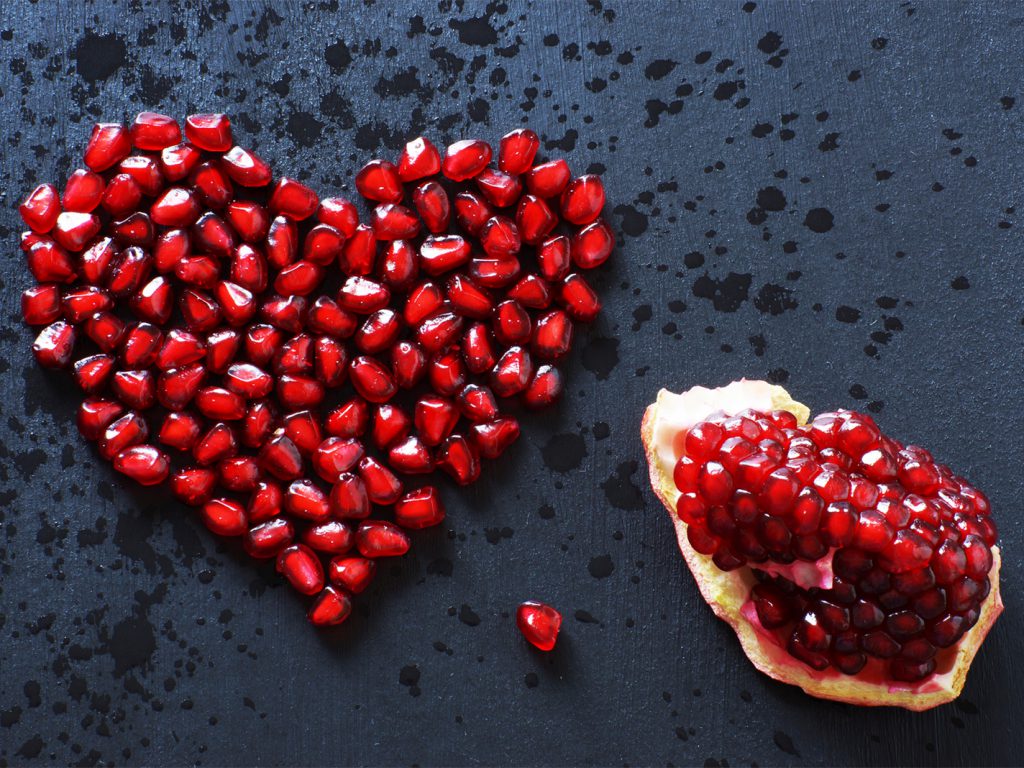
Typically, people only eat the peeled pomegranate seeds. However, the entire pomegranate is usable, and its various parts work better together for your health. A pomegranate consists of the peel, the flesh, the seeds, and the root bark. Eating the root bark is not recommended unless there is a medical need.
The health benefits
Pomegranates are very healthy because they contain a lot of antioxidants and therefore have anti-inflammatory properties. For example, pomegranate slows down the oxidation of LDL cholesterol, preventing the formation of bad LDL cholesterol.
Pomegranates (seeds, pulp and peel) can help prevent, alleviate and/or cure these diseases:
- Inflammatory disorders
- Cardiovascular diseases
- Erectile dysfunction
- Low testosterone
- Stress
- Arteriosclerosis (atherosclerosis)
- Allergies, including Asthma
- Dementia and Alzheimer's disease
- Arthritis, Osteoarthritis and Osteoporosis
- Crohn's disease and ulcerative colitis
- Psoriasis and eczema
- (Premature) skin aging
- High blood pressure (hypertension)
- Hormone-dependent breast cancer
- Prostate cancer
- Leukemia, Lung and Colon Cancer
- Skin cancer (absorption through the skin)
- Premenstrual syndrome (PMS)
- Liver diseases
- Depression (due to anti-inflammatory effect)
The pomegranate peel can be used separately by boiling 10-40 grams in water and then letting it cool. The decoction is antibacterial and antifungal, making it effective against:
- Diarrhea, chronic diarrhea, dysentry and amoebic dysentry
- Colitis (Colon Inflammation)
- Gastritus (inflammation of the stomach lining)
- Stomatitis (inflammation of the oral mucosa)
This is because the following bacteria and fungi are combated:
Herpes simplex, HIV, Influenza A, Poliovirus, Staphylococcus aureus, Salmonella typhi, Vibrio cholerae, Vibrio parahaemolyticus, Bacilus subtilis, Yersinia enterocolitica, Pseudomonas aeruginosa, Shigella dysenteriae, Candida spp., Protozoa Gardi spp.
The root bark decoction should only be taken orally for beef tapeworm under medical advice. The root bark decoction can be used externally as a rinse for:
- Angina/Pharyngitis (sore throat)
- Canker sores and mouth ulcers
- Unusual vaginal discharge
Also interesting for athletes
A healthy body performs better. It's clear that pomegranate makes a body healthier. Pomegranate can also enhance athletic performance in another way. Pomegranates contain inorganic nitrates. In the body, these serve as raw materials for the signaling substance nitric oxide, or NO. NO dilates blood vessels, increases blood flow to muscles, extends the time muscle fibers can sustain intense exercise, and likely plays a key role in muscle growth as well. Our tip for endurance and strength athletes is to have half a pomegranate for breakfast and drink a glass of beetroot juice half an hour before exercising.
Eat pomegranate more often
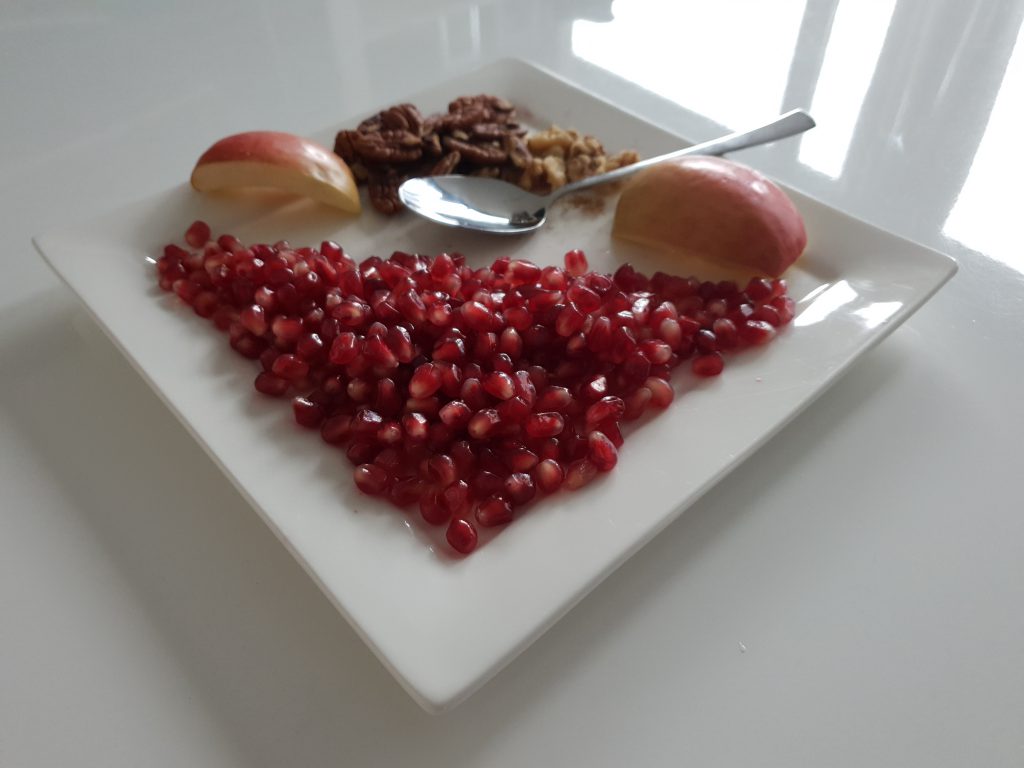
Want a healthy, athletic, and high-performing body that significantly increases your chances of being happy and satisfied? Then try eating pomegranate seeds more often. You could, for example, combine them with nuts for breakfast.
Warning
The active ingredients in pomegranate can interact with medications including statins and tolbutamide. Consult your doctor if you are taking these medications. Furthermore, pregnant women are advised not to consume the root bark.