
A psilocybin session as therapy
We've known for some time that psilocybin is a powerful adjunct to therapy. Psilocybin is most often used during psychedelic sessions to treat symptoms such as depression, low self-esteem, addiction, and various anxiety disorders. Among psychedelics, psilocybin is a true all-rounder. Dosing this psychedelic is often easier than with others like ayahuasca, and the trip doesn't last unnecessarily long, as can happen with LSD. Even without symptoms, sessions with psilocybin can stimulate creativity and spirituality. In this article, we explain how psilocybin works and why it can be used as a therapeutic tool.
Psilocybin is converted to psilocin
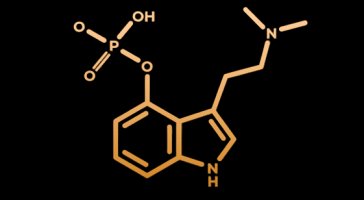
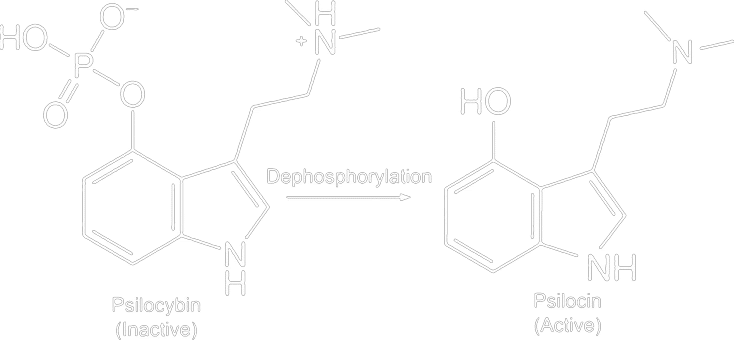
Magic mushrooms, truffles, psilohuasca, and psiloflora all contain psilocybin/psilocin and fall under the category of hallucinogens. Magic mushrooms and truffles contain the same active ingredients in roughly the same proportions. The effects vary and depend on your personal sensitivity, personality, mood, the substance, and the dose. The active ingredients psilocin and psilocybin are very similar to the body's own serotonin (the neurotransmitter). After ingestion, our body converts psilocybin into psilocin. Psilocin binds to the serotonin receptor, called the 5HT2a receptor. The increased stimulation of these receptors produces the effects of magic mushrooms. The degree of effects is divided into different three levels.
Trip level 1
During trip level 1, the negative feelings of serotonin depression disappear. Because the communication between the brain hemispheres changes, music sounds deeper, colors become brighter, and the environment becomes more tangible. All your senses are open. During this phase, you are more open and socially engaged, and you begin to be open and honest with others and yourself.
Trip level 2
A more vivid perception of colors, visuals such as the movement and "breathing" of objects, walls, etc. With closed eyes, two-dimensional patterns can be perceived. Due to changes in short-term memory, the user experiences continuous distracting thought patterns, alternating with extreme focus. The brain's natural filter is bypassed, which, among other things, increases creativity. During this phase, one can already begin to discover interconnections. Interconnections, for example, about why certain things happen and how to deal with them.
Trip level 3
Very clearly perceptible visuals; everything seems warped or distorted. Patterns can be seen on walls, objects, faces, etc. Mild hallucinations occur, such as the effect of flowing rivers in wood grain or other textures. Some sensory confusion occurs, for example, perceiving sound as color, etc. Time distorts, making everything seem to take place in the "now." From this level onward, it is already quite possible to connect with the subconscious mind, while still being very easily controlled. Fears that cause stress can reside in the subconscious without conscious awareness. This level is useful for combating these fears from the subconscious. Fears often originate from the past and/or the future. These fears are not real in the present, and acceptance is possible during this triple level.
Trip level 4
Strong hallucinations, such as objects morphing into other objects. Perception of the ego fades; for example, objects may start talking to you, or you may experience contradictory feelings simultaneously. Some loss of reality occurs; time becomes an incomprehensible concept. Possible out-of-body experiences (OOBs). Mixing of stimuli from different senses. Due to the loss of the ego and the resulting loss of self-protection, people are harsh but honest with themselves during this phase. Problems can be addressed and given a place. The connection with the subconscious is very strong at this triple level, allowing for a great deal to be learned about who someone is, even though it seems as if it is someone else due to the loss of the ego.
Trip level 5
A complete loss of visual connection with reality occurs; the senses no longer function as "normal." A complete loss of ego. Users feel themselves merging with space, other objects, or the universe. The loss of reality becomes so profound that it's difficult to explain or articulate. This level differs from the other levels in that the actual universe in which things exist ceases to exist. During this phase, the ego can no longer control anything. The connection with the subconscious is now maximal. There's nothing to hide. It's like a dream, uncontrollable by yourself. This phase can offer insights in a way that might seem incomprehensible at first. Level 5 trippers often call their experiences mystical, the most beautiful experience of their lives, or even frightening. Control freaks, in particular, find it frightening at first. It's not advisable to undertake this without prior experience with psychedelics.
Changes play a key role
Beyond the subjective psychedelic experience, it's healthy changes that play a significant role. Psychedelics like psilocybin allow us to create new (brain) connections, and this is often linked to new insights. These new connections can lead to different thinking and the acquisition of new patterns. If these new patterns are healthier, we benefit from improved physical and mental health. So always try to explore which healthy changes can help you further.
More BDNF from psychedelics
Because psychedelics like psilocin (from truffles) stimulate the 5-HT2A receptor, BDNF is released. When the body releases more BDNF, it flips a switch on a series of genes that grow brand-new brain cells, nerve cells, and a number of connections. Even higher levels of BDNF help you learn faster, remember better, age more slowly, and your brain quickly rearranges its connections with different parts of the brain and body.
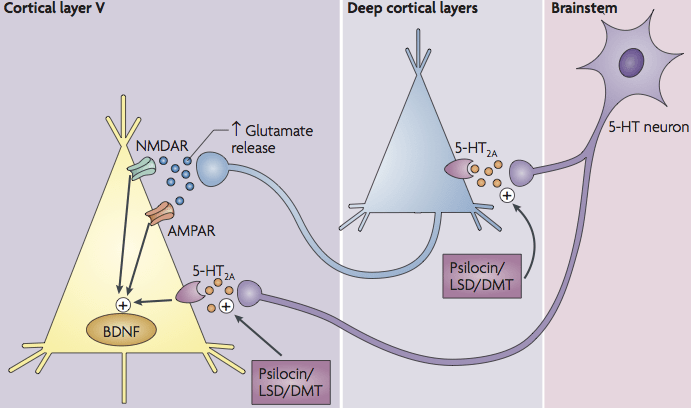
BDNF also increases your brain's plasticity. When your brain cells are damaged or encounter a stressful situation, BDNF protects them and helps them bounce back stronger. The neural pathways become more flexible instead of broken down, which could explain why higher BDNF levels are associated with fighting off depression.
Lower activity of the DMN
The Default Mode Network (DMN) encompasses areas of the cortex that are normally active during rest and are involved in remembering events, social and emotional judgment, and future planning. Reducing DMN activity leads to a loss of sense of time and a greater focus on the here and now. This means that worries and fears about the future disappear.
Lower DMN activity leads to lower stress levels and, consequently, lower cortisol levels. Low cortisol allows the body to utilize its self-healing abilities, helping to combat illness and inflammation. Thanks to reduced inflammation, more serotonin is released, which in turn increases BDNF, while also reducing anxiety and depression. Learn more about how psilocybin works by clicking the button:
Less ego
Psychedelics in higher doses cause the ego to become depressed. The ego craves to be fed with ever more, often unhealthy, things. The ego makes us restless and anxious, as self-preservation is its primary goal. Without it, we won't survive, but an overactive ego leads to separation, loneliness, and addiction.
Less ego means more connectedness, less depression, more serotonin, more BDNF, more healthy choices, less stress, and less DMN activity.
Pent-up emotions
It often happens that emotions that have been blocked for a long time are released during a session. Letting go of this "old pain" releases emotional blockages and sometimes even psychosomatic complaints, allowing energy to flow again. It can sometimes feel liberating to experience everything that comes your way without inhibition.
Exposure therapy
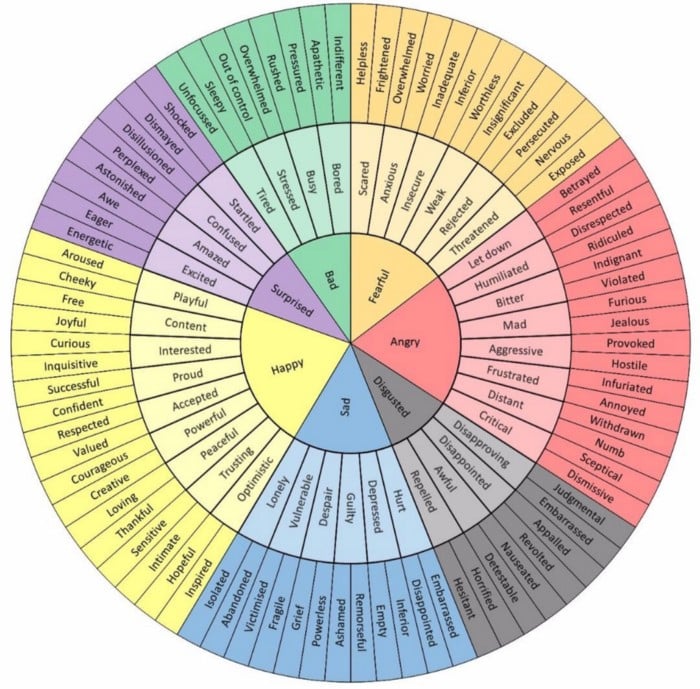
In some cases, such as PTSD, exposure therapy can be combined with a lower dose of psychedelics. The psychedelics biochemically induce a state of contentment, reducing sadness and anxiety. This state of mind, combined with recounting and reliving the trauma, can help shift the emotional connection to the trauma to something less anxiety-provoking.
Even better results
In trip therapy, we look beyond just the health benefits of psychedelics. Using these insights to foster healthy changes offers a long-term solution. Proper preparation, focusing on health and healthy changes, leads to better results. Improved health also leads to a more effective psychedelic session. Therefore, it's wise to balance the brain's neurotransmitters beforehand. The trip therapy intake includes a questionnaire, allowing us to provide personalized advice to help you get the most out of your session.
