

Psychedelic therapy
Psychedelic therapy for anxiety is the most powerful form of therapy we know. It can be used to treat depression, anxiety, stress, burnout and other psychological disorders and/or symptoms. The piece below is about psilocybin therapy in terminal cancer patients.
Terminal cancer and psilocybin
When her doctors told Pam Sakuda that her cancer had metastasised and nothing more could be done, the fear of death overwhelmed her.
“You can no longer carry out all the plans you had,” she said in a video interview before her death in 2006. “You are effectively living in fear. ... It paralyses the good life that you are living at the moment.“
Therefore Sakuda turned to hallucinogens.
In the hope of ‘finding a way to achieve peace’, she took part in a pilot study in 2004 by psychiatrist Charles Grob at the Harbor-UCLA Medical Center in Los Angeles. Grob combined Sakuda’s regular talk therapy treatments with a single dose of psilocybine, the active ingredient in psychedelic mushrooms and magic truffles. Incidentally, the Food and Drug Administration recently approved psilocybine for use during clinical trials for the treatment of end-of-life anxiety.
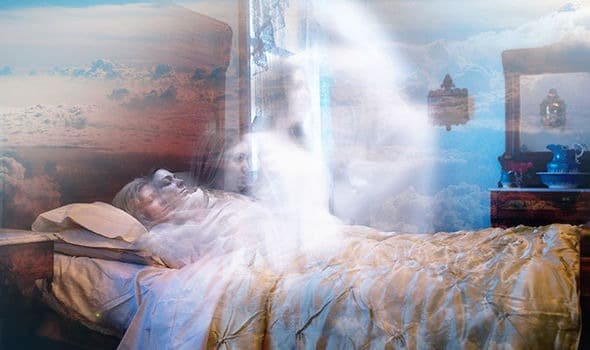
Sakuda believed that psilocybin helped her to appreciate life. “It allows you to let go of other feelings and explore other ways you might be feeling,” she said. “I began to realise that all this negative anxiety was a barrier to getting the most out of and enjoying the healthy time I have – however long it might be.”
She was not alone. In the 12 patients he treated with psilocybin, Grob found preliminary evidence of reduced anxiety and improved mood and quality of life, and an indication that these benefits persisted for a number of months.
To build upon Grob's work, psychiatrists at Johns Hopkins University and New York University are currently recruiting patients for similar studies. Through studies like these, scientists have embarked on a wave of research that combines the promise of new ways to treat mental health problems and a new understanding of our brains.
“It appears that the very, very powerful experience enables individuals to come away with greater peace of mind,” said Grob, who plans to publish his results this year.
According to Stephen Ross, who is leading the New York University study, doctors have no standard procedures for dealing with a patient's end of life, and this anxiety is often ignored.
“As doctors, we are good at saving lives,” said Ross. “But we haven't learned the art of helping patients to experience a good death.”
A 2007 study published by the American Cancer Society found that up to 50 per cent of patients with advanced or terminal cancer have a diagnosis of a major psychiatric disorder and that fewer than half of the patients with depressive symptoms receive psychiatric medication.
According to the researchers, psilocybin can achieve in a single session what would otherwise take months or years, the time that some of these patients may not have.
Psilocybin binds to two types of serotonin receptors in the brain that are strongly associated with mood and anxiety. Even more interestingly for psychiatrists, brain imaging studies from the Heffter Research Center in Switzerland show that the drug appears to affect areas of the brain that are thought to mediate consciousness and spiritual feelings.
Of effects of psilocybin lasting about four to six hours, during which time the subjects' brain activity resembles that of people in spiritual states, such as meditating monks. Much like those who practise meditation, the patients in the psilocybin trials reported feelings such as a greater connectedness with others, relief from anxiety, and the ability to internalise their limited time as opportunities for personal growth.
“Patients on psilocybin ”are in contact with deeper parts of their psyche that they don't normally have contact with,“ Ross said. ”They can make certain connections that they wouldn't normally make.'"
Yet the mechanism of the medication is not fully understood, leaving the long-term risks unclear. According to David Shurtleff, director of basic neuroscience at the National Institute on Drug Abuse in Bethesda, Maryland, the effect of the drug is highly variable and it should only be taken in controlled settings. However, unlike other medicines, evidence points to a low potential for abuse. Psilocybin does not appear to be physically addictive, partly because rats will not self-administer it as they do with nicotine, alcohol and cocaine.
Indeed, based on the initial positive results of the end-of-life distress studies, Ross and other researchers want to test psilocybine to treat addictions to tobacco, alcohol and narcotics. “Addicts have this compulsive, hollowed-out relationship only with the drug and nothing else,” Ross said. “Psilocybine can help bring meaning, direction, intention and connection to their lives.”
Ultimately, scientists hope these studies will help to elucidate the neurobiology of spirituality. “The fact that we have neural tissue that enables these experiences shows that the brain has evolved to have spiritual experiences,” said Ross.