Ayahuasca from the Amazon
Ayahuasca is a psychoactive brew traditionally used by indigenous tribes in the Amazon region of South America. The origins of ayahuasca likely date back thousands of years, when indigenous tribes in the Amazon used it for healing, spiritual and religious rituals, and to connect with their ancestors and the universe. It is composed of the Banisteriopsis caapi plant and other plants, such as chacruna, which contain dimethyltryptamine (DMT).
These plants are harvested, brewed, and served by indigenous shamans or healers during ceremonies where participants experience vomiting and visions that can aid in their personal development or in finding answers to life's questions. The use of ayahuasca has spread to other parts of the world in recent decades and is now seen as a potential aid in the treatment of anxiety, depression, and addiction.
The very first ayahuasca traditions stipulated that only the shaman drank ayahuasca and sang songs for those seeking healing. Later, due to Western influence, the practice evolved into a ceremony where everyone drinks ayahuasca.
What are the active ingredients?
During traditional ayahuasca ceremonies, not all ayahuasca brews contain DMT. In some variations, the plants used are omitted or replaced with others.
The reason DMT is now considered important is because it's the most active ingredient in ayahuasca and responsible for the most powerful hallucinations. Moreover, it's considered the key component of the drink's healing effects, as it can open the mind to new insights and perspectives.
However, traditional ayahuasca users believe that it is the combination of all the plants present that determines the potency of the drink, or that the Banisteriopsis caapi plant alone can bear the name ayahusca. They consider ayahuasca a sacred medicine that can heal and liberate body, mind, and soul, regardless of the specific plants used.

DMT in ayahuasca
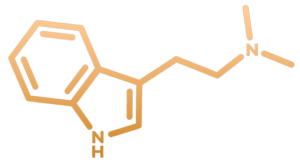
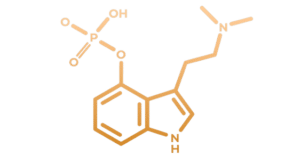
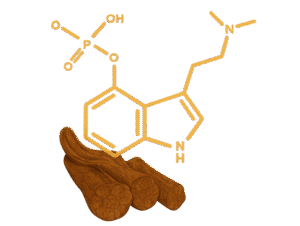
DMT is a tryptamine and neurotransmitter that acts on serotonin receptors in the brain. As shown in the image above, DMT has a molecular structure similar to the neurotransmitter serotonin and the psychedelic psilocin (found in truffles and magic mushrooms).
When smoked, DMT produces a strong, short trip that lasts about 10-30 minutes. Orally, DMT is inactive, but when ingested as an ayahuasca mixture, it is. In ayahuasca form, the trip typically lasts about six hours. It can produce various visual and audiovisual effects, such as patterns and geometric shapes, changes in color and light intensity, and surreal experiences. Some people also experience a sense of connection to the universe and spiritual or mystical sensations.
In the brain, DMT acts on serotonin receptors, particularly the 5-HT2A receptor. This can lead to changes in perception, mood, consciousness, and emotions. This brain activity resembles that experienced during dreaming, which may explain the hallucinogenic effects.
Banisteriopsis caapi als MAOi
DMT is a relatively unstable substance that is broken down in the gastrointestinal tract by the MAO enzyme. Banisteriopsis caapi contains MAOIs that block this enzyme, ensuring that DMT remains active when ingested. This allows DMT to cross the blood-brain barrier and become psychoactive. Blocking the MAO enzyme by Banisteriopsis caapi also allows neurotransmitters like serotonin to remain active for longer, contributing to the psychoactive effects of ayahuasca. It is therefore the combination of DMT and MAOIs in Banisteriopsis caapi that makes the modern ayahuasca experience possible.
The ayahuasca ceremony
The ayahuasca ceremony is led by a shaman, who is responsible for preparing the ayahuasca and guiding the participants on their journey. The shaman sings songs called icaros, traditional songs used to offer spiritual healing and protection and to guide the journey. The purpose of the ceremony is to promote healing and spiritual growth, and ayahuasca is seen as a powerful tool for unlocking emotional blockages and revealing inner wisdom.
Traditionally, the participants remained completely sober, and only the shaman drank ayahusca. This was because the shaman was considered filled with spiritual power and knowledge and was considered the only one capable of interpreting the visions and messages from the plant spirits. .
In some traditions, however, experienced participants were also allowed to take a small amount of ayahuasca to help them connect with the plant spirits. This, however, was only permitted after undergoing thorough preparation, such as following a strict diet and abstaining from sexual activity.
Today, there are many variations on these traditions, and there are ayahuasca ceremonies where both the shaman and the participants take ayahuasca. These modern practices are not faithful to the ancient traditions, and it is important to prepare well for such ceremonies.
The ayahuasca diet
Due to the presence of MAOIs, a special diet is necessary to avoid complications. Tyramine is a substance commonly found in foods such as cheese, red wine, beer, and cured meats. When tyramine is taken with MAOIs, as in ayahuasca, it can lead to increased blood pressure and potentially life-threatening reactions. To avoid this risk, it is recommended to follow a low-tyramine diet in the days leading up to drinking ayahuasca. This diet limits the intake of tyramine-rich foods and preparations that naturally contain tyramine, such as fermented foods. Following this diet can reduce the risk of a potentially dangerous interaction between ayahuasca and tyramine, increasing the likelihood of a safe and beneficial ayahuasca experience.
Ayahuasca in the Netherlands
Because DMT itself is illegal in the Netherlands, the use of ayahuasca containing DMT is also illegal. In the Netherlands, the Supreme Court reaffirmed this ban in 2018. Before the ban, some religious groups, such as Santo Daime, had an exception to this prohibition due to their sacramental use of ayahuasca during their ceremonies. Since 2018, it has been illegal to possess, sell, or perform ceremonies with ayahuasca (containing DMT).
Legal and safer alternatives
The MAO inhibitors present in ayahusca pose an increased risk of health problems. Psilocybin, on the other hand, works orally, and MAOIs are not necessary. If you still add MAO inhibitors, you can reduce the amount of psilocybin-containing mushrooms or truffles. Adding a large number of MAO inhibitors also makes the trip last a few hours longer. Therefore, adding Banisteriopsis caapi is unnecessary. All in all, the psilocybin ceremony is safer, and if psilocybin-containing truffles are used, it is also legal.
If a mild MAOI is used, psiloflora may be the solution. Psiloflora is a combination of magic truffles and passion flower (Passiflora incarnata). This combination of passion flower and truffles has fewer side effects, minimal vomiting, a more peaceful trip, and fewer negative interactions with food, medications, and supplements. More information can be found using the buttons below.
FAQ ayahuasca
Ayahuasca is a powerful psychoactive plant mixture traditionally used by indigenous tribes in the Amazon for spiritual and medicinal purposes. The main active ingredient in ayahuasca is dimethyltryptamine (DMT), a hallucinogenic compound. When ayahuasca is consumed, the DMT interacts with neurotransmitters in the brain, leading to altered states of consciousness, vivid visions, and intense emotional experiences.
The MAOIs present in the ayahuasca brew allow the DMT to reach the brain without being broken down by the body's enzymes that normally break it down. This prolonged exposure to DMT can cause profound changes in thought patterns, mood, and behavior, leading to self-reflection, insights, and personal growth.
Ayahuasca is also believed to interact with the digestive system, causing physical cleansing such as vomiting and diarrhea. This is seen as a necessary part of the process, helping to release negative emotions, toxins, and other substances that can block personal growth and inner healing.
Ayahuasca is considered illegal in the Netherlands. Despite its traditional use in some indigenous cultures, the psychoactive substance is classified as a Schedule I drug under Dutch law, meaning it is considered a drug with no medical or scientific value and a high potential for abuse and dependence.
Drinking ayahuasca can carry several risks. Drinking the brew can cause severe nausea, vomiting, and diarrhea. Some people may experience severe psychological reactions, including anxiety, paranoia, hallucinations, or dissociation. Ayahuasca can also interact with other medications or worsen health conditions, so it's important to research its safety beforehand. Ayahuasca can trigger emotional traumas or memories that are too painful to deal with without professional help.
Vomiting during an ayahuasca ceremony is a common experience and can be considered part of the healing process. Ayahuasca contains powerful psychoactive substances that can have strong physiological and psychological effects on the body and mind. Nausea and vomiting can be caused by the presence of MAOIs. MAOIs disrupt the functioning of some necessary processes in the body, making it understandable that the body has an aversion to these substances.
Yes, several people have died from ayahuasca use. It's important to emphasize that ayahuasca, when prepared correctly and used under the guidance of experienced and trained shamans, is generally considered safe. However, if prepared incorrectly, or if misused by unsuspecting or inexperienced users, it can cause serious physical and psychological harm, and can even be fatal.
In some cases, deaths were due to interactions between ayahuasca and other medications or the user's health problems. In other cases, death resulted from lack of supervision, incorrect dosage, or improper preparation of the ayahuasca. Therefore, it is essential to consider using ayahuasca only under strict and safe conditions.
Under Dutch law, ayahuasca is a hard drug. It's listed in Schedule 1 of the Opium Act and is therefore illegal.
Ayahuasca is traditionally made from two main ingredients: the Banisteriopsis caapi vine and the leaves of the Psychotria viridis plant. The vine contains MAO inhibitors, while the leaves contain dimethyltryptamine (DMT). The combination of these two plants results in the psychedelic ayahuasca brew. Sometimes other plants containing DMT are also used, such as Acacia confusa, Acacia obtusifolia, or Mimosa hostilis (Jurema).
Yes, there are known cases where ayahuasca can lead to psychosis. While ayahuasca is generally considered safe when administered under the guidance of an experienced shaman or facilitator, there have been cases where its use has led to acute psychosis. This can be caused by various factors, including unexpected reactions to the psychoactive substances, the individual's sensitivity, their psychological history, and/or insufficient preparation or guidance during the ceremony.
Ayahuasca is almost always brewed as a tea. Only in a few cases is the ayahuasca so concentrated or processed that we can't call it a tea. So, it's almost always a tea, entirely in accordance with ancient traditions.
Yes, ayahuasca therapy exists. However, these forms of therapy are not recognized as medical treatments. We expect that ayahuasca therapy will only become legal in the Netherlands after MDMA and psilocybin are recognized as medical treatments.
An ayahuasca ceremony is considered spiritual because it facilitates a deep connection between the individual and the universe, nature, and community. The experience can be very intense and can evoke feelings of connection, insight, and transformation. The ceremony is also often surrounded by rituals and symbolic actions that strengthen the community and the connection with the spirit world and nature. The combination of these elements makes an ayahuasca ceremony an important spiritual ritual for many people seeking a deeper understanding of themselves and their relationship to the universe.