



Acetylcholine deficiency
Is it bad to have an acetylcholine deficiency before a psychedelic trip? What effect can this have on the psychedelic experience?
The effect of acetylcholine on psychedelic sessions
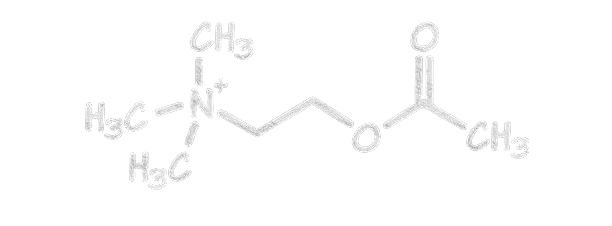
Extensive information about acetylcholine and deficiency
Acetylcholine is a crucial neurotransmitter that plays a key role in brain function, memory, and muscle control. In this blog post, I'll discuss in detail what acetylcholine deficiency entails, its underlying symptoms and causes, and how you can naturally increase your acetylcholine levels. I'll also share recent insights into the role of truffles and edible mushrooms, and how the Triptherapie Neurotransmitter Test can help you gain a better understanding of your neurotransmitter balance. I combine my expertise in psychology, biochemistry, and science to provide you with the most up-to-date and comprehensive information possible.
Is an acetylcholine deficiency bad?
An acetylcholine deficiency can have far-reaching consequences for both mental and physical health. When this neurotransmitter system isn't functioning optimally, you often notice a decrease in concentration, a lack of memory sharpness, and deterioration in motor skills. The impact can also manifest as mood swings and a general feeling of fatigue. The severity of these symptoms is closely related to the degree of the deficiency and other health factors present. Therefore, it's important to be alert to signs of an imbalance so that timely intervention can be taken.
What are the symptoms?
Symptoms of acetylcholine deficiency can begin subtly and develop gradually. You often notice difficulty concentrating and a less reliable memory. In addition, bodily functions, such as muscle control and coordination, can deteriorate, making daily activities more difficult. Some people also experience sleep problems and a disrupted rhythm in their autonomic nervous system, which can manifest as changes in heart rate and digestion. These symptoms are not always specific, but when several symptoms occur together, they can point to an underlying acetylcholine deficiency.
What causes an acetylcholine deficiency?
Several factors can cause acetylcholine deficiency. Diet plays a crucial role; a deficiency of choline, an essential nutrient that serves as a building block for acetylcholine, can lead to reduced production. As you age, your body's efficiency in producing and utilizing acetylcholine often decreases, reflecting a natural aging process. An unhealthy lifestyle, characterized by chronic stress, inadequate sleep, and lack of exercise, can also contribute to neurotransmitter imbalances. Furthermore, certain medical conditions, such as neurodegenerative diseases, and the use of specific medications can negatively impact acetylcholine balance.
How can you increase acetylcholine?
Increasing your acetylcholine levels can be approached in several ways, involving both dietary and lifestyle changes. A diet rich in choline is essential; foods like eggs, liver, fish, and nuts contain high concentrations of this nutrient and support natural acetylcholine production. It's also important to consume sufficient healthy fats, such as omega-3 fatty acids found in fish oil and flaxseed, as these fats contribute to optimal brain function. In addition to a balanced diet, supplements such as Alpha-GPC and CDP-choline can be helpful in boosting acetylcholine production. It's also wise to pay attention to your lifestyle: reducing chronic stress through mindfulness, meditation, or yoga can have a positive effect on your neurotransmitter balance. Regular exercise and a good night's sleep also contribute to improved brain function and more efficient acetylcholine production.
Do truffles help with a deficiency?
In recent years, much attention has been paid to the therapeutic properties of truffles. While truffles are traditionally associated with a positive effect on serotonin and dopamine, recent insights suggest a broader range of effects. The bioactive compounds in truffles can have anti-inflammatory properties and thus beneficial effects on overall brain health, which can indirectly support acetylcholine production. At Triptherapie, we investigate how these natural interventions can contribute to a holistic approach to health, focusing on supporting multiple neurotransmitter systems.
Are there edible mushrooms that increase acetylcholine?
Besides truffles, several other edible mushrooms can positively contribute to the health of your nervous system. Mushrooms such as lion's mane, known for its ability to stimulate nerve cell growth, and reishi, which has adaptogenic properties, are increasingly being cited for their ability to support cognitive function. While these mushrooms don't directly increase acetylcholine production, they do support overall brain function and can help maintain a healthy neurotransmitter balance. This makes them a worthwhile addition to a diet aimed at improving brain function.
Take the neurotransmitter test
Want more insight into your neurotransmitter balance? At Triptherapie, we offer the Neurotransmitter Test, a comprehensive analysis that provides clarity on the status of acetylcholine, serotonin, dopamine, and GABA, among other things. This test not only helps you understand which neurotransmitters may be out of balance but also forms the basis for a personalized treatment plan. This holistic approach allows us to work specifically on your well-being and address the underlying causes of your symptoms.
Nutrition, supplements and lifestyle: an integrated approach
It's important to realize that increasing acetylcholine levels isn't a single measure. An integrated approach, combining nutrition, supplements, and lifestyle changes, offers the best chance of success. In addition to adjusting your diet and adding targeted supplements, stress management plays a crucial role. Research shows that regular exercise and adequate sleep are essential for healthy neurotransmitter balance. By working with experts and utilizing the latest insights, you can develop a customized plan that reflects your specific needs and goals.
Triptherapie's approach and services
At Triptherapie, we believe in a holistic approach to health, looking not only at the symptoms but also at the underlying causes of imbalances in the body. Our expertise in psychology, biochemistry, and nutrition allows us to create a personalized treatment plan. During a personal consultation, we'll analyze your lifestyle, diet, and stress levels to determine which interventions are best for you. The Neurotransmitter Test provides a clear picture of your internal balance, after which we'll work together on a strategy aimed at sustainable improvement. Our approach is both preventive and curative, aimed at helping you achieve optimal health and quality of life.
Conclusion
Acetylcholine deficiency can significantly impact your mental and physical well-being. By adopting a holistic approach that centers on nutrition, supplements, and a healthy lifestyle, you can support your brain function and improve the quality of your daily life. Whether it's consuming choline-rich foods, using natural supplements, or adding truffles and other edible mushrooms to your diet, there are countless ways to bring about positive change. Want to learn more about how to optimize your neurotransmitter balance? Feel free to contact us and discover what we can do for you.
Contact or register
Interested in registering for a psychedelic session at Triptherapie? Complete the free intake form now. Have any questions? Check out our FAQ section or contact us.
Frequently asked questions about acetylcholine
Here are some of the questions people have about acetylcholine deficiency.
Acetylcholine is a neurotransmitter that plays a vital role in transmitting signals within the brain and between nerve cells. It is involved in functions such as memory, concentration, and muscle activity, making a good balance of this substance crucial for both mental and physical performance. A deficiency can lead to problems with cognitive function and motor control, underscoring the importance of a healthy acetylcholine balance.
The Neurotransmitter Test is a comprehensive diagnostic tool that provides insight into the balance of various neurotransmitters, including acetylcholine, serotonin, dopamine, and GABA. This test helps determine which neurotransmitters may be out of balance and forms the basis for a personalized treatment plan. Using this test, we at Triptherapie can provide targeted advice and propose interventions tailored to your unique situation and health needs.
If you notice prolonged difficulty concentrating, memory loss, muscle weakness, or other unexplained symptoms, it's wise to seek professional help. A professional analysis, such as the Triptherapie Neurotransmitter Test, can help identify the underlying causes and develop a personalized treatment plan. Early detection of an imbalance can contribute to more effective treatment and a faster recovery of your overall well-being.
General FAQ
Looking for a different question and answer? You can also use the search function on our site, consult the frequently asked questions section, or ask our chatbot, Trippy.
The recent questions from the Q&A
Psychedelic session for clients from abroad
How do I book psychedelic therapy in the Netherlands if I'm traveling from abroad? What are the options?
NPS law and MDMA analogues
Which MDMA analogues will become illegal as of July 1, 2025, due to the amended Opium Act?
Psychedelic therapists
Which of the therapists at Triptherapie are trained as psychologists and the like?
Truffle ceremony with psilocybin
How many truffles or mg of psilocybin do you get approximately during the magical truffle ceremonies?
Which psychedelic therapy?
Which psychedelics do you use in psychedelic therapy and ceremonies?
Psychedelic retreats
I'm coming from abroad and want to attend a psychedelic retreat. What should I keep in mind when planning my trip?
How much does a trip sitter cost and where do they work?
How much does a tripsitter cost in Amsterdam?
Can truffle therapy be done with a psychologist?
I'd like to try magic truffles with a psychologist. Do you offer this, or can I bring my own psychologist to the truffle session?
Little to no effect from truffles and MDMA
Why do I feel little effect from psychedelics like truffles and MDMA?