



Be careful with tyramine and psychedelics
Why should you be careful with tyramine if you want to attend a psychedelic ceremony such as ayahuasca, psiloflora, or psilohuasca?
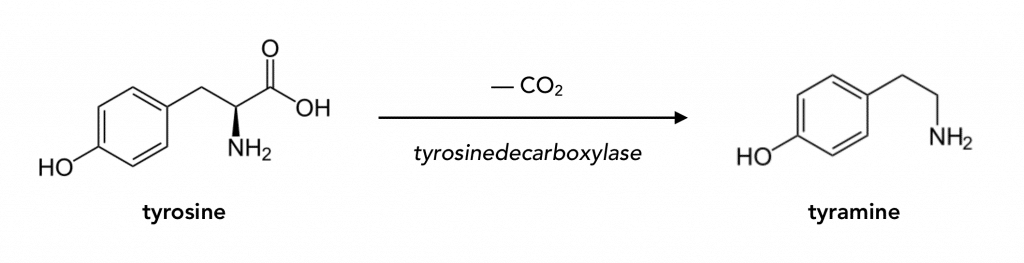
What is tyramine?
Tyramine is a biogenic amine formed from the breakdown of the amino acid tyrosine, a process that primarily occurs during fermentation or spoilage of foods. It occurs naturally in fermented products, aged cheeses, cured meats, red wine, and other foods. Normally, tyramine acts as an indirect sympathomimetic in the body; it is rapidly broken down by the enzyme monoamine oxidase (MAO). However, when this breakdown process is hampered—for example, by the use of MAOIs—excessive tyramine intake can lead to a dangerous increase in blood pressure, known as "cheese syndrome.".
MAO inhibitors and their influence
MAOIs are used in medicine to treat depression and other mental disorders. These drugs block the action of monoamine oxidase, preventing the rapid breakdown of neurotransmitters and substances like tyramine. As a result, even relatively small amounts of tyramine can trigger a strong physiological reaction. It is important to follow a tyramine-restricted diet when using MAOIs to prevent hypertensive crises.
Ayahuasca and tyramine
Ayahuasca Ayahuasca is a traditional plant medicine used for centuries in shamanic ceremonies in South America. This drink contains natural MAO inhibitors, usually in the form of harmala alkaloids, which ensure that the psychoactive components such as DMT are more effective. Because the MAO inhibitory effect also hinders the breakdown of tyramine, following a strict tyramine-restricted diet is strongly recommended when preparing for an ayahuasca ceremony.
Psilohuasca and tyramine
In recent years, there has been a growing interest in combining psilocybin-containing mushrooms with natural MAO inhibitors, a combination sometimes referred to as psilohuasca. Although this approach is still experimental, the interaction between MAOIs and tyramine can also lead to potentially dangerous increases in blood pressure. Therefore, as with ayahuasca, it is important to drastically limit tyramine intake during the preparation period.
Psiloflora and tyramine
The term psiloflora refers to the combination of psychedelic mushrooms with passion flower. While the focus here is less on an intentional combination with MAOIs, the natural variation in the composition of plants and mushrooms, when combined with other substances, can still affect sensitivity to tyramine. For anyone considering participating in a psiloflora ceremony, we still recommend a low-tyramine diet to avoid unwanted side effects.
The tyramine-restricted diet
A low-tyramine diet involves temporarily avoiding certain fermented and aged foods. This diet is recommended for people taking MAOIs and for participants in psychedelic sessions involving substances like ayahuasca or psilohuasca. Choosing fresh, unprocessed foods and avoiding highly fermented products reduces the risk of a blood pressure spike. Adhering to this diet for a few days before the session positively impacts the safety and quality of the experience.
Triptherapie as a partner in safe experiences
Triptherapie offers guidance to anyone wishing to work with psychedelics, with a special focus on the risks associated with tyramine and MAOIs. Our services combine insights from psychology, biochemistry, and recent scientific research. We support you in developing a personalized diet plan, offer preparation advice, and guide you throughout the entire therapeutic journey. Our clients often share their positive experiences about how this approach has contributed to a more balanced and meaningful session. To read these experiences, please see the reviews.
Complete contact or intake form
Interested in registering for a psychedelic session at Triptherapie? Complete the free intake form now. Have any questions? Check out our FAQ section or contact us.
Frequently asked questions about tyramine
Here are some questions and answers about tyramine and psychedelic ceremonies.
Tyramine is produced by the breakdown of the amino acid tyrosine during fermentation or spoilage of foods.
MAOIs inhibit the breakdown of tyramine, which can lead to an unwanted increase in blood pressure when consuming tyramine-rich foods.
Aged cheeses, fermented meats, red wine and sauerkraut are among the most important sources of tyramine.
It's wise to follow a diet for a few days before your session, avoiding highly fermented and aged foods. We'll help you with your diet if necessary for your session with us.
At Triptherapie you will receive personal guidance and advice, so that you can work on your therapeutic goals in a safe and responsible manner.
General FAQ
Looking for a different question and answer? You can also use the search function on our site, consult the frequently asked questions section, or ask our chatbot, Trippy.
The recent questions from the Q&A
Psychedelic session for clients from abroad
How do I book psychedelic therapy in the Netherlands if I'm traveling from abroad? What are the options?
NPS law and MDMA analogues
Which MDMA analogues will become illegal as of July 1, 2025, due to the amended Opium Act?
Psychedelic therapists
Which of the therapists at Triptherapie are trained as psychologists and the like?
Truffle ceremony with psilocybin
How many truffles or mg of psilocybin do you get approximately during the magical truffle ceremonies?
Which psychedelic therapy?
Which psychedelics do you use in psychedelic therapy and ceremonies?
Psychedelic retreats
I'm coming from abroad and want to attend a psychedelic retreat. What should I keep in mind when planning my trip?
How much does a trip sitter cost and where do they work?
How much does a tripsitter cost in Amsterdam?
Can truffle therapy be done with a psychologist?
I'd like to try magic truffles with a psychologist. Do you offer this, or can I bring my own psychologist to the truffle session?
Little to no effect from truffles and MDMA
Why do I feel little effect from psychedelics like truffles and MDMA?