What is psilocybin?
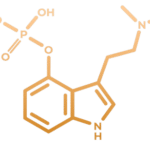
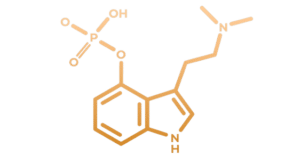
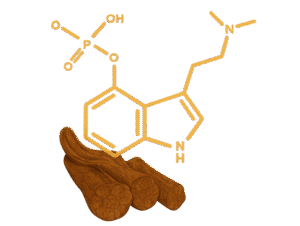
Psilocybin is an increasingly well-known psychedelic. Its name comes from the mushrooms in which it is found, in the Psilocybe genus. The molecular formula is C12H17N2O4P and this substance is also known as O-phosphoryl-4-hydroxy-N,N-Dimethyltryptamine or indocybin. Psilocybin is found in varying amounts in mushrooms (magic mushrooms) found on all continents except Antarctica. Many people know psilocybin for its psychedelic and hallucinogenic effects.
The metabolism of psilocybin
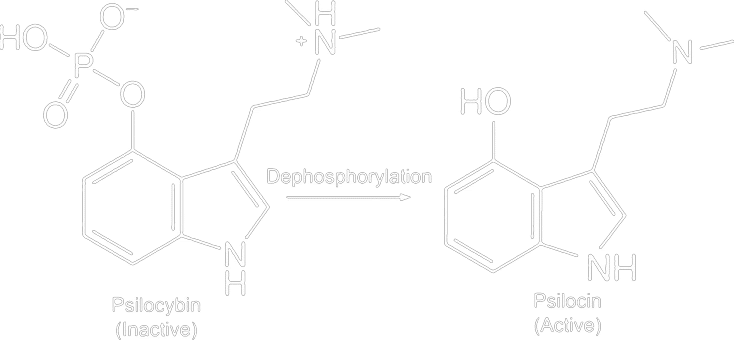
When psilocybin enters the body, it is first converted into psilocin by dephosphorylation of the phosphate group present. Psilocybin dephosphorylation is a chemical process in which the phosphate group is removed from the psilocybin molecule. Psilocybin itself is the most well-known alkaloid found in magic mushrooms and truffles. The process of dephosphorylation can occur under certain conditions.
The primary route of dephosphorylation is through the enzyme phosphatase. Phosphatase is a naturally occurring enzyme in the human body and is produced in the liver. This enzyme can hydrolyze the phosphate group, converting psilocybin into psilocin, the active psychoactive ingredient. Once psilocybin is absorbed through the intestines, it is first metabolized by the liver via the portal vein.
Acidic environments such as the human body and especially the stomach can also cause psilocybin to be converted to psilocin.
The activity of psilocybin and psilocin
If psilocybin were not converted to psilocin, it would be barely psychoactive. For example, psilocin is very active on the 5-HT2B receptor with an inhibitory constant of 4.6 Ki (the lower the constant, the greater the binding/activity), while psilocybin has a value of 98.7 Ki. Furthermore, psilocybin is virtually inactive on the important 5-HT2A receptor and also not on the 5-HT1A receptors. Psilocin does have an effect on the 2A and 1A receptors. The affinity and ability to bind with these receptors is important when it comes to the psychoactive effects of these substances. If we rank the potency of psilocin on the serotonin receptors, the highest is 5-HT2A, then 5-HT2B, and finally 5-HT1A.
What does psilocin do on these 5-HT receptors?
5-HT1A
Psilocin is a partial agonist of the 5-HT1A receptor, meaning it can bind to and partially activate this receptor. Activation of this receptor can produce anxiolytic (anxiety-reducing) and antidepressant effects. The 5-HT1A receptor is also involved in regulating autonomic functions such as heart rate, body temperature, and endocrine functions.
However, high stimulation can also cause side effects, including nausea and dizziness, which are common during use.
5-HT2A
High stimulation of the 5-HT2A receptor is associated with psychedelic experiences, including visual or auditory hallucinations, a heightened sense of consciousness, and an altered sense of time.
For now, the 5-HT2A receptor is considered the most important when it comes to psychedelic effects. Stimulation of this receptor is also associated with increased BDNF concentrations and thus enhanced neuroplasticity.
5-HT2B
The 5-HT2B receptor plays a role in regulating blood pressure and heart rate. One of the best-known functions of the 5-HT2B receptor is its involvement in the growth and development of heart valves during embryonic development.
Psilocin's affinity for the 5-HT2B receptor is likely lower than for the 5-HT2A receptor, meaning that its psychedelic effects are mediated primarily through the 5-HT2A receptor.
The subjective experience
The experience of someone taking psilocybin can vary greatly between individuals. Effects depend on several factors, primarily dose, environment, the individual's state of mind, and individual sensitivity to psychedelics. The most common effects and experiences people report after a psilocybin trip are as follows:
-
Altered perception: Psilocybin is known to cause altered perception of the world around you. Colors may appear more intense, and objects may appear distorted or moving.
-
Visual hallucinations: Users may experience visual hallucinations such as patterns moving across surfaces, geometric shapes, and distorted images.
-
Changed perception of time: Time may feel different than normal, with the feeling of it moving slower or standing still.
-
Heightened awareness and introspection: People often report a heightened awareness of their own thoughts and emotions. This can lead to deep introspection and self-reflection.
-
Emotional experiences: Psilocybin can produce intense emotional experiences, ranging from ecstatic joy to deep introspection and sometimes fear.
-
Spiritual or mystical experiences: Some people report spiritual or mystical experiences during a trip, with feelings of oneness with the universe or transcendence.
-
Euphoria or anxiety: The experience can vary between euphoria and anxiety depending on the circumstances and the user's mental state.
Ego death
Users who take large doses of psilocybin sometimes speak of ego death. Ego death primarily involves a diminished sense of self. The effects described in the video are those experienced by those on high doses of psilocybin.
It's also possible to experience ego death without using psychedelics, such as deep meditation, breathwork, or anything else that can help you get into the flow state. There are also many similarities with a near-death experience.
Psilocybin and science
Over the past two decades, psilocybin has attracted interest as a potential therapeutic agent for the treatment of various mental health conditions such as depression, anxiety, and addiction.
Studies have shown that psilocybin can cause long-lasting positive changes in mood and behavior. Researchers are currently conducting numerous clinical trials to investigate how psilocybin can be used in a growing number of areas. Psilocybin appears to be particularly effective for depression.
Several studies are currently underway to test psilocybin's potential to alleviate various symptoms. Here's an overview of the topics.
- Alcoholism (AUD, alcohol use disorder)
- Smoking addiction
- Opioid addiction
- Major depression (depressive disorder Major)
- Treatment-resistant depression
- Anxiety complaints
- Obsessive-Compulsive Disorder (OCD)
- Body Dysmorphic Disorders (BDD)
- Anorexia
- Alzheimer
- Parkinson
- Migraine
- Cluster headaches
Psilocybin therapy in the Netherlands
Psilocybin therapy is an experimental psychedelic treatment that is not currently recognized as a formal medical treatment. This means that patients interested in this treatment will have to cover their own costs, as insurance companies currently do not cover it. While this treatment has been demonstrated to be effective for a number of mental health conditions, more research is needed before it is widely accepted as a legitimate treatment.
Dutch law does allow for psilocybin sessions using legal magic truffles that also contain psilocybin. Therefore, the psilocybin sessions we offer are essentially truffle sessions. Read more about our psilocybin therapy via the button.
FAQ psilocybin
Below, we've answered the most frequently asked questions about psilocybin, including whether it's legal to buy and how psilocybin therapy works. Don't see your answer? Feel free to ask your question via the contact form or through the forum using the buttons below.
What does psilocybin do to you?
Psilocybin is a substance found in magic mushrooms and is almost non-psychoactive. Psilocybin only becomes psychoactive after being converted to psilocin.
After being converted into psilocin, psilocybin has various effects on the user, including hallucinations, altered perception, increased sensitivity to sensory input, and changes in the sense of time and space. It can also lead to altered emotions and mood, introspection, and spiritual experiences.
The effects of psilocybin vary depending on dosage, individual sensitivity, and environmental factors. Psilocybin use can also carry risks, such as confusion, anxiety, or panic attacks, so it's essential to exercise caution and be mindful of the potential consequences.
How do I get psilocybin?
In the Netherlands, you can only buy psilocybin by purchasing magic truffles. Magic truffles contain psilocybin and psilocin, but are not illegal in this form. Eating the truffles effectively ingests psilocybin.
What are psilocybin drops?
Psilocybin drops are liquid extracts containing psilocybin. The origin of these drops is unknown. They are often used as an alternative way to take psilocybin because they are easy to dose and consume. The effect of psilocybin drops is similar to that of eating psilocybin-containing mushrooms. It can lead to altered perceptions, hallucinations, and an altered state of consciousness. However, the use of psilocybin drops is illegal in the Netherlands.
Is psilocybin banned?
Yes, psilocybin is prohibited in the Netherlands. It's listed as a prohibited substance under the Opium Act. Possessing, selling, cultivating, or trading psilocybin-containing mushrooms is a criminal offense.
Can I microdose psilocybin?
Yes, you can take psilocybin microdosing. Microdosing refers to taking very small amounts of a substance, such as psilocybin, to experience subtle effects without a full-blown psychedelic experience. It's often done to elevate mood, increase creativity, and improve concentration.
Is psilocybin therapy already possible?
Yes, psilocybin therapy is already a medical treatment in Australia. In the Netherlands, psilocybin therapy is not yet considered a medical treatment, but it is used in certain clinical trials for the treatment of certain mental health conditions, such as depression, anxiety disorders, and post-traumatic stress disorder (PTSD). Psilocybin therapy using psilocybin-containing truffles is legal, but it is not a medical treatment.
Do health insurers reimburse psilocybin treatment?
No, in the Netherlands, health insurers do not cover psilocybin treatment because it is not yet recognized as a medical treatment. For now, psilocybin sessions are considered coaching under the influence of a stimulant.
How does a guided psilocybin trip work?
The exact course of a guided psilocybin session can vary depending on the guide/therapist and the individual's specific needs. Generally, the session takes place in a calm and comfortable environment, such as our location or your own home. The therapist will inform you beforehand about what to expect and answer any questions you may have.
During the session, you'll take a dose of psilocybin (in the form of magic truffles). The therapist will guide you through the effects of the psilocybin, supporting you in exploring your thoughts, emotions, and experiences. They may conduct conversations, offer guided meditations, or use other techniques to help you gain insight and process any issues.
The goal of a guided trip session is to enhance therapeutic effects, such as increasing self-awareness, exploring repressed emotions, reducing anxiety or depression, and promoting personal growth and well-being. A therapist or guide also ensures physical safety and assists with preparation and integration.