
Be careful with tyramine and psychedelics
Why should you be careful with tyramine if you want to attend a psychedelic ceremony such as ayahuasca, psiloflora, or psilohuasca?
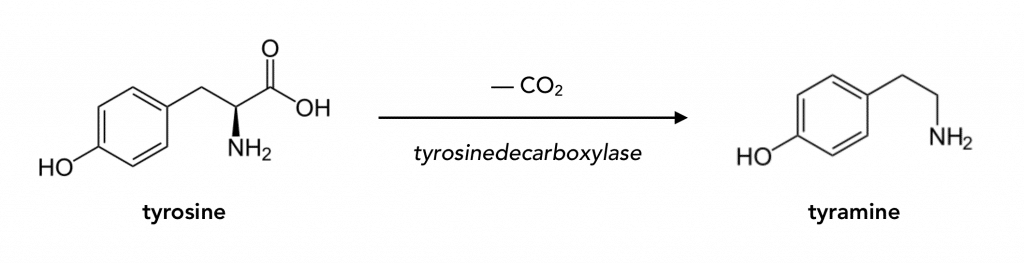
What is tyramine?
Tyramine is a biogenic amine that is formed from the breakdown of the amino acid tyrosine, a process that mainly occurs during fermentation or when food deteriorates. It is naturally present in fermented products, aged cheeses, cured meats, red wine, and other foods. Normally, tyramine plays a role in the body as an indirect sympathomimetic; it is quickly broken down by the enzyme monoamine oxidase (MAO). However, when this breakdown process is impeded – for example, by the use of MAO inhibitors – excessive tyramine intake can lead to a dangerous increase in blood pressure, known as the “kaasy syndrome”.
MAO inhibitors and their effects
MAO inhibitors are used in medicine to treat depression and other mental disorders. These drugs block the action of monoamine oxidase, preventing neurotransmitters and substances like tyramine from being broken down quickly. As a result, even relatively small amounts of tyramine can cause a strong physiological reaction. It is important to follow a tyramine-restricted diet when using MAO inhibitors to prevent hypertensive crises.
Ayahuasca and tyramine
Ayahuasca Is a traditional herbal medicine that has been used for centuries in shamanic ceremonies in South America. This drink contains natural MAO inhibitors, usually in the form of harmala alkaloids, which ensure that the psychoactive components such as DMT work more effectively. Because the MAO-inhibiting effect also inhibits the breakdown of tyramine, following a strict tyramine-restricted diet is highly recommended during preparation for an ayahuasca ceremony.
Psilohuasca and tyramine
In recent years, there has been interest in the combination of psilocybin-containing mushrooms with natural MAO inhibitors, a combination that is sometimes referred to as psilohuasca. Although this approach is still in the experimental phase, here too the interaction between the MAO inhibitors and tyramine can lead to potentially dangerous increases in blood pressure. It is therefore important, as with ayahuasca, to drastically limit the intake of tyramine during the preparation period.
Psiloflora and tyramine
The term psiloflora Refers to the combination of psychedelic mushrooms with passionflower. Although here the focus is less on a deliberate combination with MAO inhibitors, the natural variation in the composition of plants and mushrooms in combination with other substances can still affect sensitivity to tyramine. For anyone considering participating in a psiloflora ceremony, we nevertheless recommend a diet low in tyramine to avoid unwanted side effects.
The tyramine-restricted diet
A low-tyramine diet means leaving certain fermented and aged foods on the sidelines. This diet is recommended for people using MAO inhibitors and for participants in psychedelic sessions with substances such as ayahuasca or psilohuasca. By choosing fresh, unprocessed foods and avoiding highly fermented products, the risk of a blood pressure spike is reduced. Following the diet for a few days before the session has a positive impact on the safety and quality of the experience.
Which foods contain a lot of tyramine?
Tyramine can accumulate when protein-rich foods are matured, fermented, or spoiled. Especially ripe cheeses, dried or fermented meats such as salami, fermented soy products, and sauces such as soy sauce, miso, and fish sauce, and yeast extracts such as Marmite deserve attention. Also, poorly stored or spoiled products can contain a lot of tyramine. The level varies depending on the product, preparation method, freshness, and portion size.
We recommend that you avoid certain products for the 2 to 3 days before the trip therapy.
Here is our advice regarding nutrition:
- Fruit types: No restriction
- Vegetables: No sauerkraut
- Herbs: No licorice, St. John's wort and ginseng.
- Meat: No raw, smoked or cheese-based meat and fish products.
- Sliced meats: No sliced and processed meats
- Dairy products: No cheese, no unpasteurized milk
- Seafood: No trassie
- Nuts: No restriction
- Bread: No sourdough bread
- Soy products: No tempé, soy sauce (ketjap), vissaus, Tamri and Worcestershire sauce
- Drinking: No herbal tea containing St. John's wort and/or licorice.
- Alcoholic beverages. No alcoholic beverages.
- Yeast: No Marmite, Tartex, beer yeast, bread drink and maggi.
- Ready to go: All non-fresh meals are not recommended. Even your own leftovers need to be quickly cooled and prepared within 24 hours.
Eat as little processed food as possible and always opt for the freshest products. Cooking your own meals from fresh ingredients is in many ways much healthier and will contribute to an overall improvement in your (mental) health.
Triptherapie as a partner in safe experiences
Triptherapie offers guidance for anyone who wants to work with psychedelics, with special attention to the risks associated with tyramine and MAO inhibitors. Our service combines insights from psychology, biochemistry, and recent scientific research. We support you in creating a personalized diet plan, provide advice on preparation, and guide you throughout the entire therapeutic journey. Our clients often share their positive experiences about how this approach has contributed to a more balanced and meaningful session. Would you like to read about these experiences? Take a look at the reviews.
Complete intake contact details
Would you like to sign up for a psychedelic session at Triptherapie? Fill in the intake form now, free of charge. Have questions? Please go through our FAQ section or contact us.
Frequently asked questions about tyramine
See here some questions and answers about tyramine and psychedelic ceremonies.
Tyramine is produced during the breakdown of the amino acid tyrosine during fermentation or when food deteriorates.
MAO inhibitors inhibit the breakdown of tyramine, which can lead to an unwanted increase in blood pressure when consuming tyramine-rich foods.
Old cheeses, fermented meat, red wine and sauerkraut are among the main sources of tyramine.
It is wise to follow a diet a few days before the session, avoiding highly fermented and aged foods. We can help with diet if necessary for a session with us.
With Triptherapie coaching, you receive personal guidance and advice so that you can work on your therapeutic goals in a safe and responsible way.
General FAQ
Should you be looking for a different question and answer? You can also choose to use the search function on our site, consult the frequently asked questions section or ask our chatbot Trippy.
The recent Q&A questions
How do you book a psilocybin (truffle) ceremony?
What is the best way to book a psilocybin truffle ceremony?
What is the cheapest psychedelic session or retreat?
What is the cheapest option for a psychedelic session?
Psychedelic session for international clients
How do I book psychedelic therapy in the Netherlands if I am coming from abroad? What are the possibilities?
Psychedelic therapists
Which of the therapists at Triptherapie are trained as psychologists and the like?
Truffle ceremony with psilocybin
How many truffles or mg of psilocybin do you get approximately at the magic truffle ceremonies?
Psychedelic retreats
I am coming from abroad and I want to attend a psychedelic retreat. What do I need to take into account when organising my trip?
Can truffle therapy be done with a psychologist?
I want to do magic truffles under the guidance of a psychologist. Do you offer this, or can I bring my own psychologist for the truffle session?
Little to no effect from truffles and MDMA
Why do I feel little effect from psychedelics such as truffles and MDMA?
Neglected burn-out: resolving it with psychedelic sessions?
Can you resolve a neglected burnout with psychedelic therapy?