
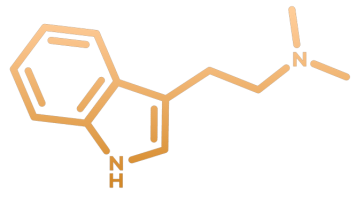
DMT during psychedelic-assisted therapy (PAT)
DMT is a powerful hallucinogenic substance that occurs naturally in many plants and animals, and research is underway to determine its potential use in DMT therapy. It has traditionally been used in shamanic rituals, such as ayahuasca and has recently gained popularity as a recreational drug. Research suggests that DMT may have therapeutic potential for treating various mental health conditions, including depression, anxiety, and trauma-related disorders.
In terms of its effects, DMT is very similar to the most studied psychedelic, psilocybin. Because of this similarity, roughly the same effects are expected as in studies on psilocybin.
Current studies of DMT as a therapeutic tool are increasing, but not as much as the safer and expected to work better psilocybin.
Therapeutic effects in the treatment of depressionSeveral clinical trials have been conducted to investigate the potential therapeutic benefits of DMT in treating depressive disorders. These studies focused on the effects of DMT on participants' mood, well-being, and overall mental health.
Neurological effectsSome researchers have studied the effects of DMT on brain activity using techniques such as functional magnetic resonance imaging (fMRI) and electroencephalography (EEG). These studies have focused on understanding the neurological mechanisms behind DMT's effects on perception, consciousness, and other cognitive processes.
Spiritual experiencesStudies were also underway to investigate DMT's role in spiritual experiences. These studies focused on understanding DMT's effects on sense of connection, transcendence, and mystical experiences.
The DMT trip
DMT has a very short onset of action, often lasting only a few minutes. DMT doesn't work when taken orally without an MAOI. This is because the molecule is broken down in the gastrointestinal tract by an enzyme called monoamine oxidase (MAO) before it reaches the brain. To prevent this, DMT can only be taken by smoking or vaping. The effects begin to intensify after just a minute.
The DMT trip is often described as intense and highly visual, with geometric shapes playing a significant role. Effects vary from person to person but can include visual hallucinations, intense emotions, and a loss of sense of time and space. Overall, a DMT trip lasts only an hour, while the peak effects are brief.
DMT therapy is still illegal
DMT therapy is not yet possible. DMT, also known as dimethyltryptamine, is classified as a controlled substance in several countries. It is on the controlled substance lists of the United States, Canada, the United Kingdom, and several other countries. In the Netherlands, it has been classified as a hard drug since 1999, making its possession and sale illegal under the Opium Act. If the numerous ongoing studies yield many positive results, we expect DMT will eventually be legalized for various types of therapy.
Legal alternatives to DMT
Currently, there are no other substances that take effect as quickly as DMT and produce the same effects. Psilocybin can produce roughly the same visual effects if the dosage is high enough. Psilocybin doesn't work through a vaporizer, but it does take place orally. The difference between vaping DMT and taking psilocybin orally lies primarily in the long duration of the psilocybin session, which lasts about six hours. Some people suggest 5-MeO-DMT as an alternative, but this substance doesn't produce visual effects.
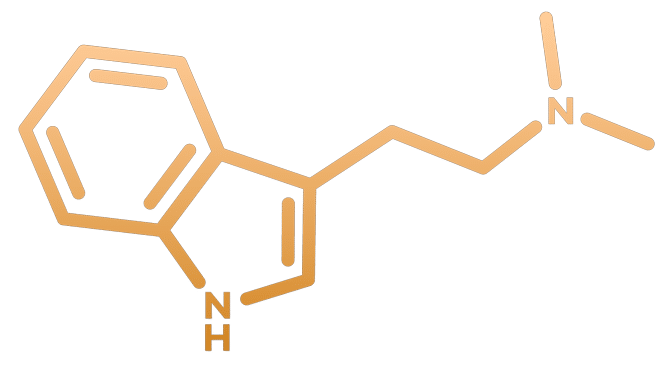
DMT
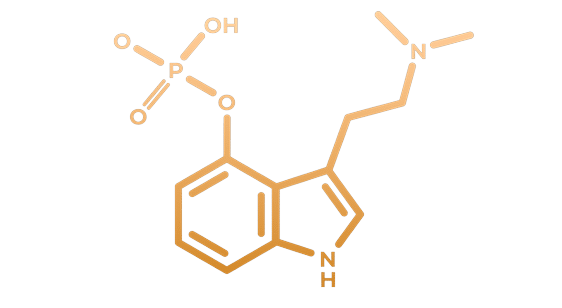
Psilocybin
Psilocybin therapy as the best alternative
Most clients seeking DMT therapy often choose psilocybin as an alternative because it has proven effective for the conditions these people are seeking a remedy for. On the page below, we describe what psilocybin helps with and how it works as a therapeutic tool.