

What is krill oil?
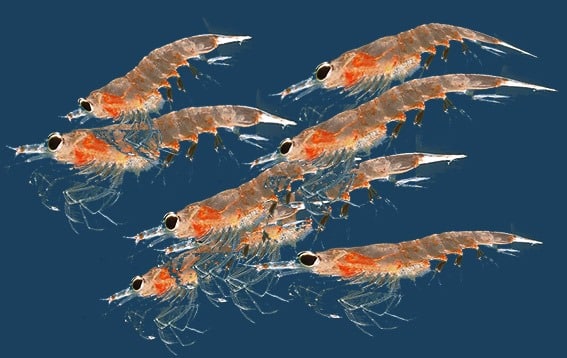
Krill is a collective term for small, shrimp-like invertebrate marine animals belonging to the order Euphausiacea. They are a food source for various fish species, such as herring. Krill oil is the oil extracted from krill.
Krill oil vs fish oil
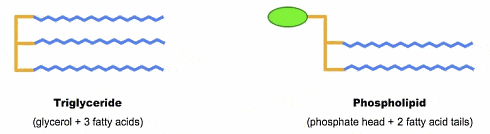
Krill oil and fish oil contain the omega-3 fatty acids DHA and EPA, but there is a difference. Fish oil is made up of fats, or in other words, triglycerides. Krill oil contains phospholipids (including sn2-DHA-LPC), which are more easily absorbed by the body than the triglycerides found in fish. This allows the fatty acids (indicated as the blue line in the image below) to be better absorbed.
Improved blood values
In a study involving 120 subjects with mildly elevated LDL or triglyceride levels, the subjects were divided into four groups, including a placebo group, a fish oil group, and krill oil groups with varying dosages. The study lasted 90 days.
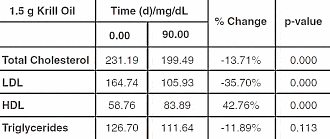
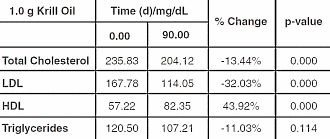
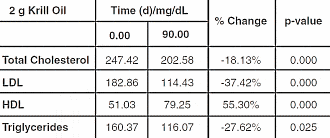
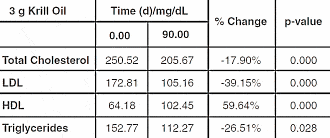
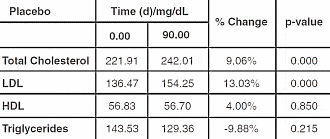
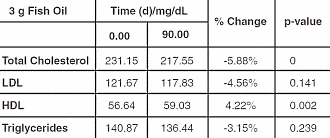
The above data indicate no change in the placebo group. Blood values did improve with 3 grams of fish oil and a low krill oil intake. The 2-3 gram dose of krill oil was even more effective. This dose increased HDL by 55-60 percent and lowered LDL by 37-39 percent. Triglyceride concentrations decreased by 27-28 percent. All effects of the 2-3 gram krill oil group were statistically significant.
Recommended dosage
To achieve the same results as the study, it is recommended to take a daily dose of 2-3 grams for the first 90 days. Afterward, 0.5 grams of krill oil per day is sufficient to maintain normal blood levels and even improve them slightly.
More advantages of krill oil
Due to the anti-inflammatory properties of omega 3 fatty acids and the effects of DHA and EPA, krill oil can help with:
- Cardiovascular diseases
- High LDL cholesterol
- Premature aging
- Alzheimer's and dementia
- Insulin insensitivity
- Type 2 diabetes
- Multiple sclerosis
- Lupus
- Rheumatoid
- Arthritis
- Crohn's disease
- Psoriasis
- PMS
- Depression
- Mood swings
- Schizophrenia
- Bipolar disorder
- Violent behavior
- Fear
- Joint pain
- Insomnia
- Preventing colon cancer, prostate cancer and breast cancer