
The history of LSD therapy
LSD is a synthetic drug first synthesized in 1938 by Swiss chemist Albert Hofmann. In the 1950s and 1960s, it was experimented with by the CIA as a potential truth serum and mind control agent. LSD therapy was possible in the 1960s and was soon illegal. During the 1960s, LSD became popular with young people and hippies for its hallucinogenic and mind-altering effects. Consequently, LSD was soon banned in the United States and most other countries due to its potentially harmful effects on the brain and psyche, as well as growing concerns about recreational use and abuse. Research has been permitted again and is being conducted extensively in the last decade. LSD's potential as a therapeutic aid is high.
Legal LSD therapy
In the Netherlands, it is possible to offer legal LSD therapy using LSD analogs, which are substances that are structurally and functionally similar to the illegal LSD. This LSD analog has the same effect as LSD-25 after ingestion, but is not listed as an illegal substance under the Dutch Opium Act. Because LSD is not yet classified as a medicine, current legislation requires it. LSD session So, no official treatment that replaces regular mental health therapy. However, by using legal analogs and simulating future LSD therapy, we can already offer a comparable alternative.
The effects of LSD
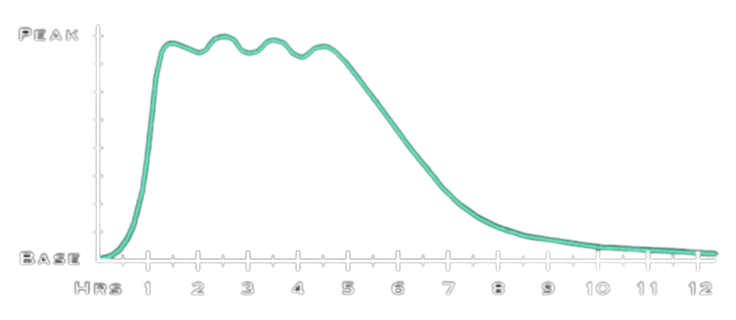
LSD affects your brain and your perception. The first effects of LSD begin about 30 minutes after ingestion, and the peak occurs on average after 75 minutes. These effects can be divided into what you experience and what is measurable in the brain. The total duration of an LSD trip averages 8 hours, with an afterglow of about 4 hours.
LSD in science
In recent years, there has been renewed research into LSD and its added value during therapy. LSD therapy works well due to several mechanisms of action. One of these is that LSD enhances the activity of the amygdala, a brain area involved in fear and emotion regulation, decreases. This can lead to a decrease in negative emotions and an increase in positive emotions. Another explanation is that LSD connectivity changes between different brain areas, which can lead to new perspectives, insights, or meanings. This can help to break through ingrained thought patterns or beliefs and to process traumatic experiences. A third explanation is that LSD neuroplasticity, promotes the brain's ability to adapt and change. This can lead to improved learning ability, memory, and mood. Because of these mechanisms, research is being conducted into the effects of LSD on the following complaints and/or conditions:
Depression
Several studies have been conducted on the use of LSD for depression, although most took place in the 1960s and 1970s and were often unstructured or uncontrolled. However, recent interest has led to controlled studies that have yielded several promising results.
For example, in 2014, a small, placebo-controlled study showed that a single dose of LSD temporarily improved mood in patients with depression. Another study in 2020 also showed that, when combined with psychotherapy, LSD reduced symptoms of depression and anxiety in patients with life-threatening illnesses.
Fear
2021 Study: From Research to Treatment: LSD-assisted psychotherapy in existential angst.
This study investigated whether the psychedelic substance LSD can be effective as a treatment for patients with anxiety and mood disorders in the end-of-life phase of their life.
2019 Study: Assessing the Potential of LSD-Assisted Therapy for the Treatment of Anxiety
This study investigated the potential of LSD-assisted therapy as a treatment for anxiety disorders. Positive results were found and further research was suggested.
2016 Study: The Effects of LSD-Assisted Psychotherapy in Patients with Anxiety Disorders
This study examined the effects of LSD-assisted psychotherapy in patients with anxiety disorders. Positive results were found and further research is needed.
Addiction
Several studies have been conducted on the possible effects of LSD on addiction. One of these is a study from Great Britain, in which twenty volunteers with depression or addiction were administered LSD and monitored with brain scanners. The researchers found that LSD default mode network (DMN), a network of brain areas involved in self-reflection and identity, was temporarily switched off. This could lead to a reduction in negative thoughts, an increase in awareness, and a change in perspective. Another study is a meta-analysis of six studies from the 1960s, in which 536 patients with alcoholism were given LSD as part of their treatment. The meta-analysis found that LSD had a significant positive effect on reducing alcohol abuse up to six months after treatment. The researchers suggested that LSD could spiritual or mystical experience can generate that can lead to a change in values, goals and priorities.
Overview
Besides the aforementioned studies on LSD for depression, anxiety, and addiction, there are also ongoing studies on: PTSD, OCD, personality disorders, Autism Spectrum Disorder (ASD), cluster headaches, chronic pain, Alzheimer's, Parkinson's, MS, and more. Click the button below.
LSD session at Triptherapie
Triptherapie has included the LSD session in its psychedelic services since 2019. Although most clients opt for psilocybin therapy, The demand for LSD therapy is growing due to media attention and the positive research results achieved in clinical trials. Approximately 80% of our clients opt for a psilocybin session, 15% for MDMA therapy, and 5% for LSD therapy. This seems relatively low, but it amounts to 1 in 20 people.
An advantage and disadvantage of LSD sessions is its long duration, which is why we often advise against LSD for those new to psychedelics. This is because if someone experiences the psychedelic state as unpleasant, LSD would be unpleasant for too long. For inexperienced users, we often recommend trying a shorter psilocybin session first to gain experience.
Contraindications to LSD therapy
According to various studies, LSD, like psilocybin, is a very safe psychedelic. However, combining it with various medications or conditions can be dangerous. Therefore, it's important to go through an intake process before booking an LSD session. The intake serves as a check-up and can help determine if there is an increased risk of adverse effects, such as panic attacks, paranoia, hallucinations, and other psychological problems. Furthermore, the intake also serves as the basis for personalized advice in preparation for the LSD session.
- Lithium medication
- Tramadol medication
- MAO inhibitors, SSRIs, antidepressants or antipsychotics
- An increased risk of psychosis
- Sensitivity to paranoia
- Sensitivity to suspicion
- High blood pressure or heart problems
- Younger than 23 years old
- Pregnancy and/or breastfeeding
- PTSD and severe trauma
Book LSD therapy
At Triptherapie, clients can choose where they receive LSD therapy. We can visit clients at home, in hotels, vacation homes, or Airbnbs, depending on their preference. We also offer these sessions at our own location in Schiedam. We can facilitate individual sessions and groups of up to eight people. If an LSD session is booked for its therapeutic benefits, we recommend keeping the group size small.
The therapists who lead LSD sessions are Marcel, Sascha, Ronald, Gijs, Reineke, and Janneke. You can access these therapists' profile pages using the overview below, or calculate the cost of an LSD session at your location using the calculator.
About the LSD counselors
If you'd like to learn more about therapists and trip-sitters who work with LSD and its analogs, you can get acquainted below, visit their LinkedIn pages, check their availability via the calendar option, or read the reviews other clients have left about the therapist in question.

With a background in chemistry, a passion for philosophy, and extensive knowledge of psychology and health, his approach is holistic. Marcel is a full-time trip leader. With over 2,300 guided sessions, Marcel is the most experienced member of our team.

Ronald is a psychosocial therapist and has completed the following training: Jungian Philosophical Therapist, Psychodrama Therapist, Master Voice Dialogue, Transformational Psychology, Internal Family System (IFS), Mindfulness and Compassion Trainer.

Janneke is studying Applied Psychology, is a lifestyle coach, handles initial client contact, develops lifestyle plans, and performs administrative tasks. She also acts as a confidential counselor. In addition to these duties, she is available to facilitate sessions on a limited basis.

As a psychologist, Reineke combines both conventional and alternative care methods. She utilizes various techniques, such as talk therapy, yoga, breathing exercises, and EMDR, combined with the therapeutic effects of psychedelics.

Sascha has a solid foundation as a psychedelic therapist, thanks to her psychology studies, Master's degree in Clinical Psychology, and experience working in addiction treatment, (specialized) mental health care, and rehabilitation as a psychologist. She also has additional training in cognitive behavioral therapy and EMDR.

Gijs has 20 years of experience in outpatient mental health care. He taught and supervised the Mental Health and Addiction Care program at the HAN University of Applied Sciences Arnhem Nijmegen. He also has extensive experience in mindfulness, talk therapy, neurofeedback, meditation, compassion training, and ACT.

Supportive therapist
Ylva is a BIG-registered GZ psychologist and supports Triptherapie as an advisor in the areas of psychological care, mental health frameworks, safety, and integration. Ylva does not offer psychedelic sessions but is available for additional support.