The structure of an assisted psilocybin session
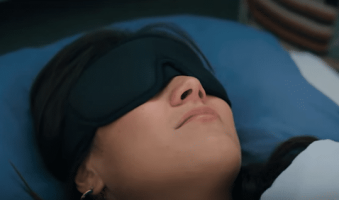
Following the preparatory phase and prior to the integration phase of a psilocybin therapy programme, the guided psilocybin session takes place. This session begins with an introductory conversation in which the therapist explains the structure of the day and intention setting takes place. Following this opening conversation of approximately 45 minutes, the psilocybin is ingested in the form of magic truffles. It usually takes another 15 to 30 minutes before the first effects become apparent. As soon as talking becomes more difficult, we move on to the introspective phase. After passing the peak, conversation gradually gets going again and, together with the therapist, active work on the set goals can resume.
What is the role of guidance in psilocybin?
The attendant facilitator has several tasks during the psilocybin session. The most important task is to keep the client safe and to help with any necessities. The second task is helping to achieve objectives by using knowledge and expertise in the therapeutic field. Indeed, a good therapist will guide a portion before the peak effects, let the peak happen as it unfolds, and then focus on personal growth again after the peak.
Is a trained psychologist or therapist better?
For a group of our clients, a trained therapist with a mental healthcare background can be a major advantage. Psilocybin blends well with regular forms of therapy, such as psychotherapy. The beauty of psilocybin is that, at higher doses, the healing reported by clients does not stem from the conversations, but from the peak spiritual experience. The latter can also be achieved, or sometimes achieved better, without a trained mental healthcare therapist. Furthermore, psilocybin acts as an anti-inflammatory in the brain, and you do not need a psychologist for that potential anti-depressant effect.
Even so, having a trained therapist on hand can help better than someone who only offers you physical safety, such as a trip sitter. Processing emotions and influencing behaviour can go more smoothly and effectively thanks to a therapist. Furthermore, trust in someone's academic background can allow more peace of mind to be experienced during the session, which makes for a deeper trip and better results.

Do you choose a psychologist or an expert by experience?
We have several guides to choose from for a guided psilocybine trip. In our opinion, when it comes to psilocybine sessions, the amount of experience is more important than formal training. With MDMA, it is different because an MDMA session is more focused on talk therapy. With guided psilocybine, feeling safe with your guide comes above all else. If educational background plays a role in that, choose a therapist with experience.
Who would you like to be guided by?
Which support worker best suits you is very personal. We have both male and female support workers with various backgrounds. Our support workers/therapists can make home visits as long as it is within the Dutch borders and falls within their working area. For this on-site service, you can use your own home, holiday home, private Airbnb or hotel.
With a background in chemistry, a passion for philosophy, combined with a wealth of knowledge on psychology and health, his approach is holistic. Marcel is a full-time trip guide. With more than 2,450 guided sessions, Marcel has the most experience on our team.
Ronald is a psychosocial therapist and has completed the following training: Jungian Philosophical Therapist, Psychodrama Therapist, Master Voice Dialogue, Transformation Psychology, Internal Family Systems (IFS), and Mindfulness and Compassion Trainer.
Janneke studies Applied Psychology, is a lifestyle coach, handles initial client contact, draws up lifestyle plans and carries out administrative tasks. She also acts as a confidential adviser. Alongside these duties, she has limited availability for facilitating sessions.
As a psychologist, Reineke combines both conventional and alternative care methods. She uses various techniques, such as talk therapy, yoga, breathing exercises, and EMDR in combination with the therapeutic effects of psychedelics.
With her degree in psychology, Master's in Clinical Psychology, and work experience as a psychologist in addiction care, (specialised) mental healthcare, and rehabilitation, Sascha has a strong foundation as a psychedelic therapist. She has additional training in cognitive behavioural therapy and EMDR.
With her Master’s degree in psychology, her training as an integrative psychotherapist at the AIHP, and her many years of work experience as a psychotherapist, lecturer and supervisor, Elke has a solid foundation as a psychedelic therapist. She has additional training in existential wellbeing (KU Leuven), Zendo SIT (Sitting and Integration Training) and Internal Family Systems (IFS).
Gijs has 20 years of experience in outpatient mental healthcare. He taught and provided supervision for the Mental Health Nursing (MGZ-GGZ) degree programme at HAN University of Applied Sciences. Furthermore, Gijs has broadly developed himself in mindfulness, talk therapy, neurofeedback, meditation, compassion training and ACT.
Supportive therapist
Ylva is a BIG-registered Healthcare Psychologist and supports Triptherapie as a consultant in the fields of psychological care, mental healthcare frameworks, safety and integration. Ylva does not offer psychedelic sessions, but is available for additional support.