
Different types of psychedelics
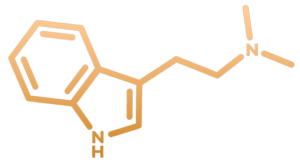
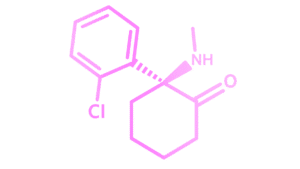
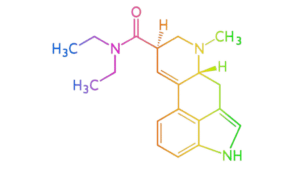
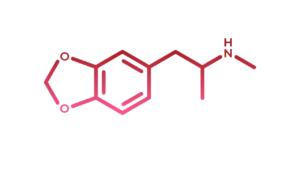
There are different types of psychedelics, each with its own effects, intensity, and potential applications. We have a separate page for each psychedelic with detailed explanations, so you can discover the differences between ayahuasca, psilohuasca, psilocybin (truffles), LSD, MDMA, ketamine, and psiloflora, for example.
Because not every substance is suitable for every situation or individual, we're happy to help you make a choice. During the intake, we'll discuss your health, medication use, intentions, and goals. Based on this, we can recommend which psychedelic and session format best suits your personal situation.
Information per psychedelic
Explore each psychedelic's effects, how people experience them, how it can be used legally, and how it can be used therapeutically.
Frequently Asked Questions about Psychedelics
Psychedelics are consciousness-altering substances that promote expanded perception, new perspectives, and profound inner experiences. They have been used for thousands of years in rituals and spiritual contexts and have revived interest in recent decades due to scientific research into their therapeutic effects.
Which psychedelic session is most commonly chosen?
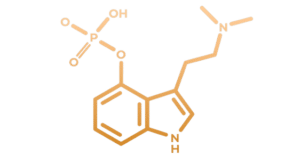
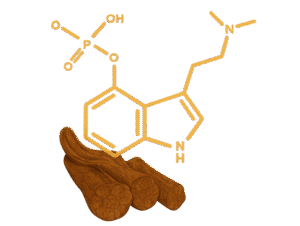
The most chosen psychedelic session at Triptherapie is the truffle session. This session uses magic truffles containing psilocybin, a substance that has powerful mind-expanding effects and can provide deep insight into one's own thoughts, feelings, and actions.
Truffle sessions are popular because they are legal in the Netherlands, can be safely guided, and offer profound therapeutic value. Many clients choose a truffle session for the combination of spiritual experience, emotional processing, and neurological effects such as enhanced neuroplasticity. In practice, it proves to be an accessible yet effective form of psychedelic therapy, both for personal growth and for treating mental health issues.
Psychedelics like psilocybin, LSD, and DMT influence the brain by binding to serotonin receptors, particularly the 5HT2A receptor. These receptors play a key role in mood, perception, and consciousness. This interaction temporarily alters the way the brain processes information.
During a psychedelic experience, communication between different brain regions increases, while established networks like the Default Mode Network—linked to self-reflection and rumination—become less active. This creates a state of heightened neuroplasticity: the brain becomes more flexible in forming new connections and letting go of old patterns.
This unique brain state allows for the revision of deeply ingrained beliefs, traumas, or behaviors. In a safe and well-guided setting, this can lead to insight, emotional processing, and positive behavioral change. That's why psychedelics are increasingly being used in the psychedelic therapy
The difference between a low and high dose of psychedelic lies not only in the intensity of the experience, but also in the type of consciousness experienced and the therapeutic goal. A low dose keeps the senses sharpened and maintains contact with the outside world. This form is often used to enhance mood, creativity, or focus.
A high dose, on the other hand, leads to a deep inner journey where the ego can temporarily fade away. This can be accompanied by intense emotions, visual hallucinations, and spiritual insights. High doses are primarily used for more profound issues such as trauma, depression, or existential questions.
The choice depends on your experience with psychedelics, your mental state, and your goals. Beginners often start with a medium dose, while experienced psychonauts opt for a higher or heroic dose. During the intake, we'll determine together what works best for you.
Good preparation consists of an intake, setting an intention, healthy nutrition, avoiding alcohol and drugs.
General FAQ
Looking for a different question and answer? You can also use the search function on our site, consult the FAQ section, ask a question in our forum, or ask our chatbot, Trippy.
The recent questions from the Q&A
How do you book a psilocybin (truffle) ceremony?
What is the best way to book a psilocybin truffle ceremony?
What is the cheapest psychedelic session or retreat?
What is the cheapest option for a psychedelic session?
Psychedelic session for clients from abroad
How do I book psychedelic therapy in the Netherlands if I'm traveling from abroad? What are the options?
NPS law and MDMA analogues
Which MDMA analogues will become illegal as of July 1, 2025, due to the amended Opium Act?
Psychedelic therapists
Which of the therapists at Triptherapie are trained as psychologists and the like?
Truffle ceremony with psilocybin
How many truffles or mg of psilocybin do you get approximately during the magical truffle ceremonies?
Which psychedelic therapy?
Which psychedelics do you use in psychedelic therapy and ceremonies?
Psychedelic retreats
I'm coming from abroad and want to attend a psychedelic retreat. What should I keep in mind when planning my trip?
How much does a trip sitter cost and where do they work?
How much does a tripsitter cost in Amsterdam?