
The influences of the seasons
The seasons can influence our mood, and the associated hormones and neurotransmitters contribute to the winter blues, for example. In winter, for example, many people experience a dip in their mood, also known as winter depression or seasonal affective disorder. This can be caused by a lack of sunlight, which reduces the body's natural "happiness hormone" serotonin. In spring and summer, many people experience an improvement in their mood. This can be attributed to increased sunlight, which stimulates vitamin D production, and the increase in serotonin due to daylight exposure. The change in seasons can also affect the production of other hormones and neurotransmitters, such as dopamine, norepinephrine, and cortisol, which influence our mood and physical well-being.
A lack of sun in winter
In winter, when the days are shorter and there's less sunlight, our bodies can produce less vitamin D. This is because our skin naturally produces vitamin D when exposed to sunlight. Vitamin D is essential for a healthy immune system because it helps regulate our immune response. A vitamin D deficiency can therefore contribute to a weakened immune system and make us more susceptible to viruses such as colds, coronavirus, and the flu. It's believed that normal vitamin D levels in the body can contribute to a more effective immune response to viruses. It's therefore important to get enough vitamin D, especially during the winter months when the sun shines less brightly. Supplementing with vitamin D through food or supplements can help boost immunity and reduce susceptibility to viruses.
Preventing winter depression
There is growing evidence demonstrating a link between a well-functioning immune system, low inflammation, and a lower risk of depression. Low-grade inflammation can occur when the immune system becomes overactive and attacks the cells and tissues in the body that it is normally supposed to protect. These inflammatory responses are accompanied by increased production of cytokines, substances that trigger inflammatory reactions. Research shows that these inflammations can lead to changes in the brain that may contribute to the development of depression.
A well-functioning immune system and low inflammation levels can therefore protect against the development of depression. It's important, especially in winter, to maintain a healthy lifestyle to maintain the immune system. Besides taking vitamin D, there are other things that can help, such as regular exercise, a healthy diet, sufficient sleep, supplements, and stress reduction.
Food for the winter
During winter, it is important to support the immune system with the right nutrition. Edible mushrooms, such as Shiitake, are very effective in this, as they support the immune system while also being gentle on the lungs. Quercetin is a plant compound that also supports the immune system and is found in, among other things, capers, onions, apples, and leafy greens. Turmeric is also a powerful agent. It has anti-inflammatory effects and is often added to dishes for extra flavour and health benefits. Furthermore, zinc and selenium are important minerals for the immune system. Zinc stimulates the production of white blood cells and is found in, among other things, meat, shellfish, seeds, and nuts. Selenium also strengthens the immune system and is found in, among other things, fish, whole grains, and Brazil nuts. All in all, it is important to eat a healthy and varied diet, with sufficient vitamins and minerals to keep our immune system strong and healthy.
For more tips, we recommend reading our previous article on the anti-depression diet and our list of foods with a high ORAC value (anti-inflammatory function of food).
Edible mushrooms
Eating edible mushrooms in winter offers many benefits. It's good to vary your diet with different edible mushrooms, as each variety contains its own unique compounds and supports the immune system in a different way. Below, we've highlighted a few special medicinal mushrooms (pun intended).
| Kind | Operation |
|---|---|
| Reishi | Anti-inflammatory so better immune system, less depression |
| Lion's Mane | More Nerve Grow Factor against Alzheimer's and MS (neurodegeneration) |
| Turkey tail | Better immune system, especially against cancer |
| Shiitake | Activates immune system against viruses via AHCC |
| Chaga | Better immune system |
| He Shou Wu | Protection against DNA aging via superoxide dismutase |
| Psilocybe | Hallucinations and BDNF for insights and connections in the brain |
Support with supplements
Besides the fact that nutrition is the foundation of a healthy immune system, the supplements listed below can also support it during the winter. Below, we've listed a few that work well during the winter, and you can find more information about the supplements and how they work via the buttons below.
- Vitamin D
- Multivitamin with vitamin B, C, E and minerals such as zinc and selenium
- Saffron (Anti-inflammatory and neurotransmitter modulator)
- Krill or algae oil (for DHA and EPA)
- 5-HTP or tryptophan
Does psilocybin work against winter depression?
Psilocybin can work against depression in several ways. Psilocybin has a physical (biochemical) effect on the brain and produces a subjective experience. Both can contribute to reducing winter blues or winter depression.
Anti-inflammatory
Recent studies have shown that psilocybin has an anti-inflammatory effect in the body. Assuming that depression can be an inflammatory response, psilocybin's anti-inflammatory effect could help reduce inflammation levels and thus be effective in treating winter depression.
BDNF
Besides its anti-inflammatory effects, psilocybin can promote the growth of new nerve cells in the brain, thereby reducing depressive symptoms. This is related to the activity of BDNF, a substance released during psilocybin use. BDNF can promote the growth of dendritic extensions.
Loneliness
Furthermore, a psilocybin trip can dispel loneliness by allowing people to experience the unity of the universe. The absence of loneliness has a positive effect on the immune system and thus indirectly on depression. A spiritual journey or gaining insights can also help in coping with stressors that would otherwise lead to depression.
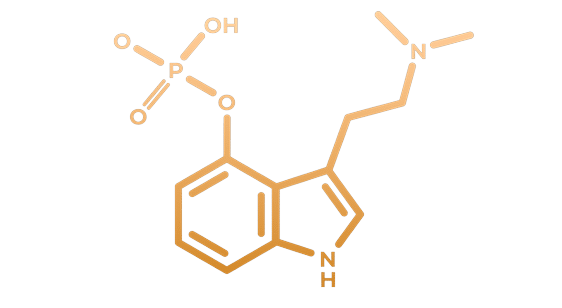
Information about psilocybin
By the start of 2024, we will have already helped approximately 2,000 people with psilocybin sessions. Before the hype surrounding psychedelics began, we wanted to bridge the gap between psychedelic therapy and a healthy lifestyle. In 2024, we also want to combine psychedelic therapy with physical health, and we're happy to help you with this. To use our services, we ask you to complete the intake form so we can determine whether psilocybin or other psychedelics are suitable for use. If we find any contraindications during the intake, we will let you know. If there are no objections, we can schedule a session and provide advice in preparation for your session.
Availability Triptherapie
Before anyone embarks on a psychedelic session, it's highly recommended to understand what it entails. To learn more about psilocybin, how psilocybin therapy works, and our availability for private or group sessions, please use the buttons below.