




What is a bad trip?
Almost every reader of our blog knows what a bad trip means: an overwhelming, often frightening experience during a psychedelic session where feelings of panic, confusion, paranoia, or powerlessness take over. Such an experience can leave you feeling trapped by negative thoughts or emotions, sometimes even with physical symptoms like palpitations or nausea. Some people even experience stress, anxiety, or a negative mood for several days or weeks after the experience.
Why I don't believe in bad trips on psychedelics
About Janneke
I, Janneke, I've been part of the Triptherapie team for several years now, and as of September 1, 2025, I've personally assisted 277 people during sessions with various psychedelics. Thanks to my experience with tripping people and the contact I had with many Triptherapie clients during the preparation phase, I have gained insights and a strong opinion about bad trips. I'm not a big believer!
Why?
When people new to psychedelics talk about psychedelics, the term "bad trip" is often used. It's an experience described as frightening, confusing, chaotic, or sometimes even traumatic. Yet, I don't believe a bad trip exists. I see what people call a "bad trip" more as the result of improper or incomplete preparation, an unsafe environment, or a lack of proper guidance.

Janneke
🇳🇱 🇬🇧
Confidant & psychedelic guide
A good start for every trip: set and setting
Psychedelics are completely different substances than alcohol or caffeine. They open the mind, provide insights, amplify emotions, and increase sensitivity to the environment. That's precisely why set (the user's mental state) and setting (the physical and social environment) essential factors.
- SetIf someone is already anxious, tense or emotionally unbalanced going into a trip, this can be magnified.
- Setting: A chaotic, unsafe or lonely environment can increase feelings of anxiety
When both are not properly aligned, the experience is likely to be overwhelming or negative. Not because the psychedelics themselves are "bad," but because the conditions were wrong.
The idea of a bad trip is misleading
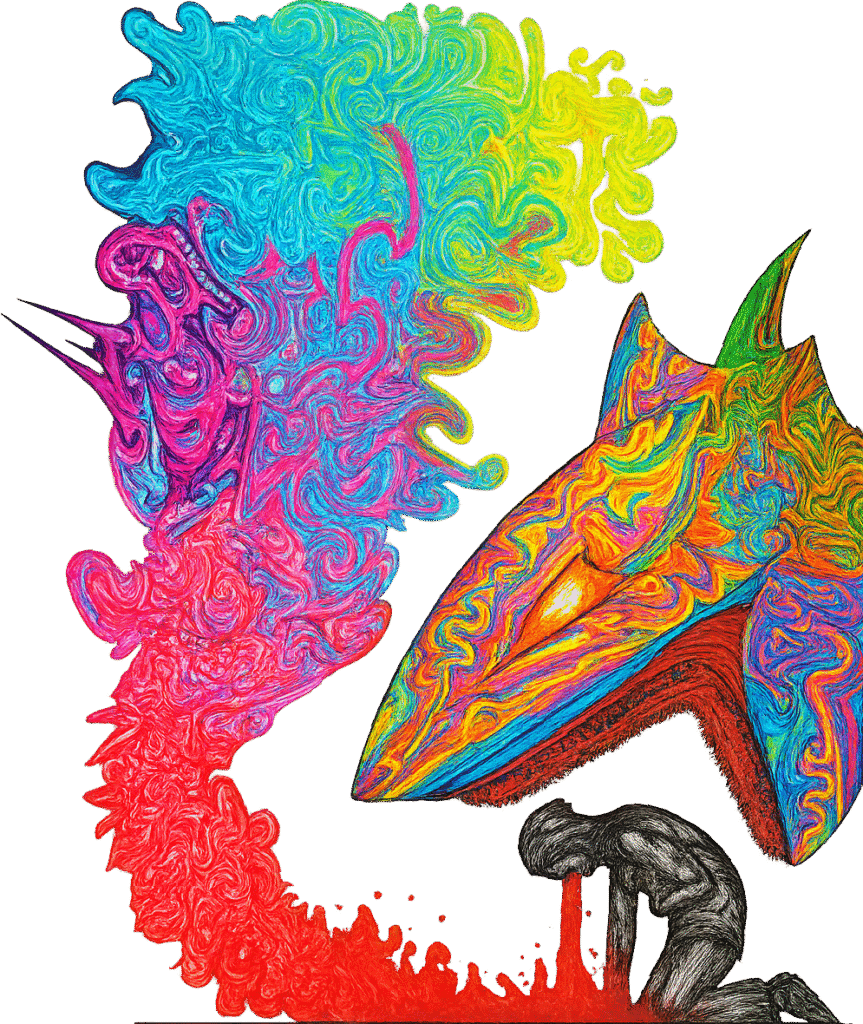
What is often called a bad trip is in my opinion a challenging experience. Psychedelics sometimes confront us with difficult and unresolved emotions or deep-seated patterns. This can feel heavy, but it doesn't mean the experience is "bad." With the right guidance, these kinds of moments can lead to actionable insights, processing of past experiences, and, through integration, also fostering personal growth.
In my opinion, a “real bad trip” only occurs when someone:
- Alone and feeling unsafe. Feeling safe again can be challenging.
- Does not have an experienced supervisor at his or her side or someone he or she trusts. .
- Unsure how to deal with difficult emotions or memories that surface. This can lead to getting stuck in these difficult emotions.
- Embarking on a trip without any preparation, without intention or openness to the experience. Both nutrition and mindset have a significant impact on the course of a trip.
But how?
Psychedelic experiences require careful, attentive, and loving guidance. But a safe environment, trust in the people around you, and someone who can reassure you in difficult moments are also essential. Where people talk about a bad trip, I often see a lack of support and safety.
With the right support, a challenging moment can turn into an opportunity for healing or insight. Then what initially seems frightening becomes valuable.
Fear often manifests itself during a trip. When I invite someone to come there and see if they can talk about it, I often get the response that the fear diminishes. Until it's so small that conversation is possible. The moment it's seen and heard, it will provide insights and then you can say goodbye. After all, you no longer need it as a protector.
Conclusion
So I don't believe in bad trips as something psychedelics give you. What people call a bad trip is usually the result of the wrong setup and setting or the lack of proper guidance. Any experience, no matter how difficult, can be a meaningful part of the process, provided the circumstances are properly aligned.
Psychedelics are mirrors. What you see depends on how you look and the environment you're in.
Complete contact or intake form
Interested in signing up for a psychedelic session at Triptherapie? Thanks to our method and guidance, you'll drastically reduce the risk of a "bad trip" while increasing your therapeutic potential! Complete the free intake form now so we can explore your options together. Have any questions? Check out our FAQ section or contact us.
Frequently Asked Questions about the Bad Trip
A bad trip A bad trip is an intense, often frightening psychedelic experience accompanied by feelings of anxiety, panic, confusion, or paranoia. While it can be very unpleasant, a bad trip isn't necessarily harmful. On the contrary: with the right guidance and integration, even a difficult experience can ultimately prove valuable.
According to Triptherapie a bad trip is caused by a combination of factors such as:
A unsafe or chaotic environment
A unstable mental state (stress, anxiety, depression)
Inexperience or the lack of a good supervisor
Disturbed neurochemistry, especially a too high glutamate level in the hippocampus and a deficiency of GABA — this imbalance increases the risk of overstimulation and panic
People with conditions such as borderline personality disorder, schizophrenia or psychosis sensitivity are also at significantly higher risk and are generally advised against using psychedelics.
Triptherapie emphasizes the importance of a good set & setting. This means: ensuring a calm environment, a stable mental state and, if necessary, guidance from an experienced tripsitter or therapist. An important element in the preparation is also optimizing your neurotransmitters, specifically increasing GABA through diet, supplements, and relaxation techniques. This approach significantly reduces the risk of anxiety, which is also confirmed in various studies. forum experiences.
Although it is annoying, a bad trip is usually temporary. According to Triptherapie The brain often recovers naturally after rest and sleep. If the unpleasant feelings persist, it is advisable to:
GABA supplements to be used (in consultation with a doctor)
Talking to a therapist or use an integration session at Triptherapie
Processing the experience through meditation, writing or conversations
On the forum Techniques are shared such as breathing exercises, adjusting the music or taking a short break to break the negative pattern.
Triptherapie offers comprehensive post-session guidance, with structured debriefings and integration sessions — also for people who had their session elsewhere. This helps them gain insights and turn a negative experience into personal growth.
Yes, the dosage plays a crucial role in the occurrence of a bad trip.
It is especially known that without proper preparation too high doses, especially for inexperienced users or those without guidance, significantly increase the chance of overwhelming and frightening experiences.
At higher doses (such as trip level 4 or 5), the intensity of hallucinations and the loss of ego increases. This can lead to disorientation, loss of control, and panic—typical characteristics of a bad trip. Precisely because the sense of "self" can temporarily disappear, this can be perceived as threatening by people with little experience or preparation.
Yes, a bad trip is often a direct confrontation with your own fear, inner turmoil or repressed emotions. Many negative psychedelic experiences arise from the surfacing of feelings that are normally suppressed.
During a trip, especially at higher doses or when the ego (your self-image) temporarily fades, the psyche can open up for everything that is normally avoided or ignored. These can be fears about loss of control, death, rejection, past traumas, or existential insecurities. What you experience during a bad trip is often a magnified reflection of inner themes that already live in your subconscious.
The advantage of it being your own fear is that you can learn a lot about yourself and, above all, learn to manage your own fears. Good guidance ensures that a negative experience has a positive effect on your daily functioning.
You neurochemistry plays a decisive role in the onset or prevention of a bad trip. This is because the balance of certain neurotransmitters such as glutamate and GABA has a direct influence on how a psychedelic experience is perceived.
Glutamate is the main excitatory neurotransmitter in the brain. Too much glutamate, especially in the hippocampus Causes overstimulation, heightened alertness, and increased sensitivity to anxiety. During a psychedelic session, this can lead to panic, confusion, or paranoia—in other words: the classic hallmarks of a bad trip.
People with a naturally increased Glutamate levels are often already sensitive to anxiety disorders and that psychedelics can temporarily increase this sensitivity.
GABA, on the other hand, is the main calming neurotransmitter. It helps to filter stimuli, reduce stress and maintain calm in the nervous system. A healthy GABA levels acts as a natural inhibitor of glutamate. People with a GABA deficiency are therefore not only more likely to experience anxiety but also have an increased risk of negative psychedelic experiences.
By increasing GABA with supplements or lifestyle interventions, you can indirectly reduce glutamate. That is why Triptherapie is often used with a pre-session neurotransmitter recovery plan, including advice on nutrition, exercise, relaxation and supplements.
In addition to glutamate and GABA, serotonin, dopamine and noradrenaline affect your trip. Psilocybin works primarily through the serotonin system, and imbalances in this system can also disturb mood, perception and inner peace.
We therefore use a holistic intake, where your mental health, medication use, and sensitivities are also taken into account to reduce risks such as a bad trip. During the intake for a psychedelic session, these biochemical factors are explicitly examined.
In short:
The balance between glutamate (accelerating) and GABA (inhibitory) forms the neurochemical foundation of how you experience a psychedelic experience. When this balance is disturbed, the likelihood of anxiety reactions and negative emotions increases — exactly what characterizes a bad trip. By optimizing this balance, you can significantly increase the safety and depth of a session.
During a bad trip, you often feel overwhelmed by fear, confusion, or panic. The good news: a bad trip is usually temporary and There are concrete steps you can take to calm yourself and soften the experience.
These are valuable tools:
1. Change your environment (setting)
A chaotic or unsafe space can intensify a bad trip. Try going to a quiet, familiar place with soft lighting, Perhaps soothing scents, blankets, or soft music. This helps calm the nervous system.
2. Remind yourself that it's temporary
Consciously repeat: “This will pass. I am safe. My brain is processing something.”
These simple affirmations can help you break free from the fear that you're "stuck forever.".
3. Focus on your breathing
Slow, deep breathing (e.g. 4 seconds in, 6 seconds out) helps to GABA production to stimulate and calm the overactive glutamate systems. Some users on the forum report that this was their turning point during a difficult trip.
4. Get support
If you are with a tripsitter If you're a therapist, express your feelings. Their calm presence and reassurance can make a huge difference. No one with you? Call someone you trust, or set an audio message from a familiar voice.
5. Focus your attention consciously
Sometimes it helps to shift your attention from the inner world to something external: feel the texture of a pillow, listen to a soothing playlist, or repeat a mantra. Anything that helps you regain a sense of control can soften the experience.
6. Use assistive devices when safe to do so
According to Triptherapie, a GABA supplement or magnesium help with acute anxiety, provided you know this is safe with your health or medication.
7. Accept, don't fight
What sounds paradoxical is often the most effective: accept that it is uncomfortable. Resisting or trying to maintain control only exacerbates the fear. Surrender to the process with the intention of feeling rather than fleeing.
Integrating a bad trip requires courage, self-compassion, and guidance, but these difficult experiences can hold enormous opportunities for growth if you handle them correctly. At Triptherapie, a bad trip is never seen as a "failure," but as a valuable confrontation with something that asking for attention. The goal of integration is to understand, soften, and translate that experience into insights that will make you stronger.
1. Recognize the meaning behind the fear
During a bad trip, repressed fears, painful memories, or limiting beliefs often surface. Instead of pushing those feelings away, integration helps you view them from a distance and a safe place. What was the message? Which part of you was speaking? IFS (Internal Family Systems) there is a powerful method for this: you learn to recognize which inner part was afraid, and how to reassure that part and integrate it into your self-image.
2. Give the experience language
Sometimes a bad trip lingers as a vague, intangible feeling. By talking about it with an experienced guide or fellow traveler, you can put into words what happened. Triptherapie offers a phone integration session after each session, where you make sense of the experience together. What did you feel? What did you see? What was it really about?
3. Use psychodrama to heal
For those who need deeper processing, there are live integration days With psychodrama and optionally a light psychedelic dose. These sessions help you replay the scene of the bad trip in a safe environment, so you can rewrite the story with self-compassion and strength. This can be especially liberating in cases of trauma or intense emotional release.
4. Put insights into practice
A bad trip often speaks to your inner turmoil, stress levels, or unresolved issues. Ask yourself: What do I need to feel safer? What is this part of me actually trying to say? Adjust your lifestyle, start with meditation, breathwork, or therapeutic counseling. Triptherapie guides you through this process with a personalized lifestyle plan or follow-up program.
5. See the bad trip as a portal, not a mistake
It might have felt scary or confusing, but the fact that these emotions surfaced means your system was ready to process them. With the right support, a bad trip can transform into the beginning of a healing process.
Do you want to process your experience and draw strength from it? Then you can participate in a integration day with IFS and psychodrama (also for people who haven't had a session with us), or take advantage of the free integration session after a psychedelic session. In either case, you don't have to do it alone, and there's always something to be gained from even the most difficult journey.
General FAQ
Looking for a different question and answer? You can also use the search function on our site, consult the frequently asked questions section, or ask our chatbot, Trippy.
The recent questions from the Q&A
Psychedelic session for clients from abroad
How do I book psychedelic therapy in the Netherlands if I'm traveling from abroad? What are the options?
NPS law and MDMA analogues
Which MDMA analogues will become illegal as of July 1, 2025, due to the amended Opium Act?
Psychedelic therapists
Which of the therapists at Triptherapie are trained as psychologists and the like?
Truffle ceremony with psilocybin
How many truffles or mg of psilocybin do you get approximately during the magical truffle ceremonies?