




Index article

Fibromyalgia is difficult to treat
Fibromyalgia is a difficult condition to treat due to several factors. First, it's a complex condition that often comes with other symptoms such as fatigue, headaches, sleep problems, and cognitive issues like memory loss and difficulty concentrating. This can make it difficult to identify and treat the specific symptoms of fibromyalgia.
Another problem with fibromyalgia treatment is the lack of specific medications. While medications are available to alleviate the condition's symptoms, such as painkillers and antidepressants, there is no medication that can treat the condition itself.
Furthermore, fibromyalgia varies from person to person, making treatment even more challenging. What works for one person may not work for another. This variability often makes it challenging to find an effective treatment that suits each individual patient.
Finally, fibromyalgia is still not fully understood, making it difficult to treat. The cause of fibromyalgia is not yet fully understood, and much remains unknown about how the condition works. Therefore, more research is needed to understand the underlying causes of the condition and develop more effective treatments. However, we believe that fibromyalgia is a consequence of inflammation in the body and possibly the brain.
Can psilocybin actually help?
We previously wrote about fibromyalgia in May 2019 and that psychedelic therapy could help reduce symptoms. These posts can be found on the forum (Fibromyalgia). At the time, we advised to be careful with allergens/gluten/lectins that can cause inflammation. For now, this is sound advice that applies to many people. We suggested at the time that psilocybin therapy could also be beneficial due to the stress-reducing properties of successful sessions. New research shows that psilocybin has anti-inflammatory properties. If the hypothesis that fibromyalgia stems from inflammation is correct, psilocybin could also help people with fibromyalgia through its anti-inflammatory effect.
Research on psilocybin in Fibromyalgia
In the past, positive results have been achieved in research using various psychedelics for pain. However, the sample sizes were too small to draw any conclusions. Nevertheless, the research suggests that positive results have been achieved. Furthermore, a survey of chronic pain sufferers who use psychedelics suggests the pain-relieving effects of such substances for people with fibromyalgia, arthritis, migraines, tension headaches, and sciatica.
A scientific study is currently underway and has been in phase 2 since 2021. This study, which specifically focuses on psilocybin for fibromyalgia, is expected to progress to phase 3. This study is being conducted by TRYP Therapeutics. Continuing to phase 3 indicates that positive results are likely, but no results have yet been publicly published.
How Does Psilocybin Work for Fibromyalgia?
As we previously mentioned, psilocybin can be effective against fibromyalgia because it has anti-inflammatory properties. However, psilocybin has multiple mechanisms of action. Another mechanism is increasing the neurotrophin BDNF. After converting to psilocin, psilocybin will release more BDNF. The image below illustrates this process.
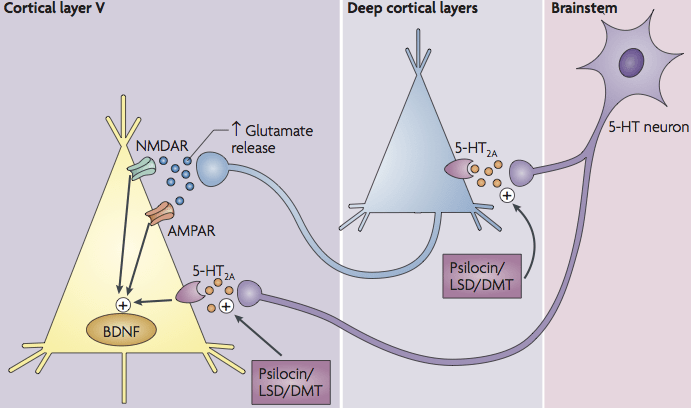
BDNF (Brain-derived neurotrophic factor) is a protein essential for the growth, development, and survival of neurons in the brain. BDNF also supports neuroplasticity, the brain's ability to adapt to environmental changes and form new neural connections. Research has shown that people with fibromyalgia have lower levels of BDNF than healthy individuals. This can lead to impaired neuroplasticity, which in turn can contribute to the tenderness and pain associated with fibromyalgia.
By stimulating BDNF production and increasing its availability in the brain, treatments can improve neuroplasticity and potentially reduce fibromyalgia symptoms. Some ways to promote BDNF production include exercise, a healthy diet, socialization, and stress reduction. Furthermore, medications aimed at increasing BDNF levels in the brain can be used to improve neuroplasticity and reduce fibromyalgia symptoms.
Foods to Avoid for Fibromyalgia
To minimize inflammation in the body and thus potentially suppress fibromyalgia, we recommend avoiding the foods listed below as much as possible. Gluten and lectins can worsen fibromyalgia symptoms through low-grade inflammation. It's worth trying eliminating gluten and lectins from your diet and seeing if your symptoms improve.
Gluten
- Wheat
- Rye
- Barley
- Couscous
- Bulgur
- Semolina
- Flower
- Self-raising flour
- Bread-crumbs
- Grain muesli or cruesli
- Beer
Lectins
- Grains (whole wheat)
- Potatoes
- Tomatoes
- Beans
- Soy sauce
- Peanuts
- Lentils
- Peppers
- Eggplant
- Chickpeas
- Dairy products
Healthy Fats for Fibromyalgia
It's increasingly clear that unhealthy fats play a significant role in the development of chronic diseases. These fats, also called oxidized fats, are present in foods that have been processed, fried, or heated, for example. Oxidized fats can trigger inflammatory reactions through various processes in our bodies. This can lead to tissue damage and thus cause chronic diseases such as fibromyalgia. A more well-known example with scientific support of such a chronic disease is cardiovascular disease. It's therefore important to choose healthy fats and prevent or reduce the oxidation process of healthy fats by not frying at excessive temperatures. Tips about healthy fats can be found in the article via the link.
Tripping against Fibromyalgia
The effective doses of psilocybin, known for their anti-inflammatory properties, are the amounts you can use to trip. Tripping refers to hallucinating and taking an internal journey. Through our psychedelic services, you can also book psilocybin sessions, where we help with preparation, the session itself, and the integration of insights gained. By choosing Triptherapie as your organizer, you increase the likelihood of effectiveness. More than 2,000 clients have already benefited from our expertise. Complete the free intake form with your goals, and we'll let you know what we can do for you.