
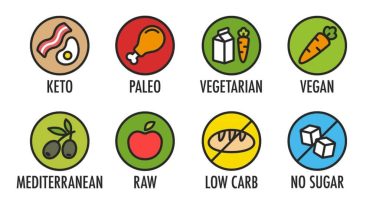
Dieting works!
Are you dieting to lose weight or get healthier? Most diets work because you're consciously aware of your food intake, and most successful diets have one or more of the following characteristics:;
- Sugar intake is reduced
- Total calorie intake is reduced
- More protein is eaten
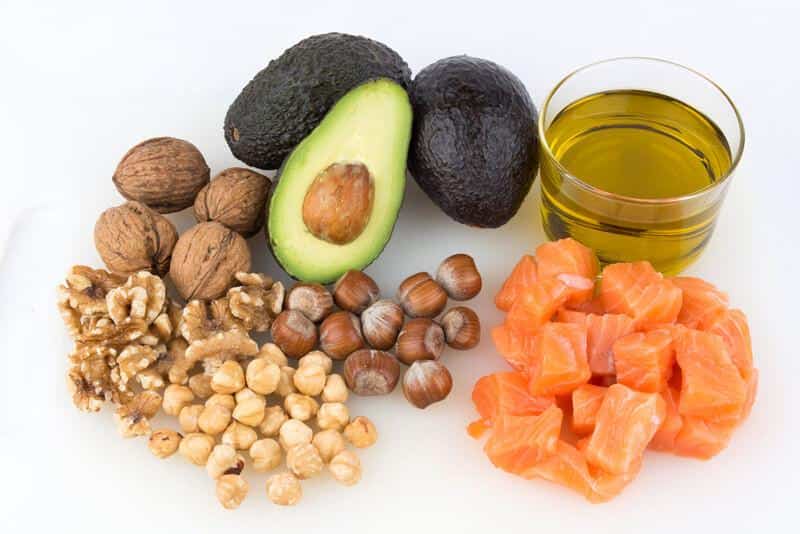
- More healthy fats are eaten
- Fewer allergens are eaten
- Dinner is no longer served in the evening
- More plant-based foods
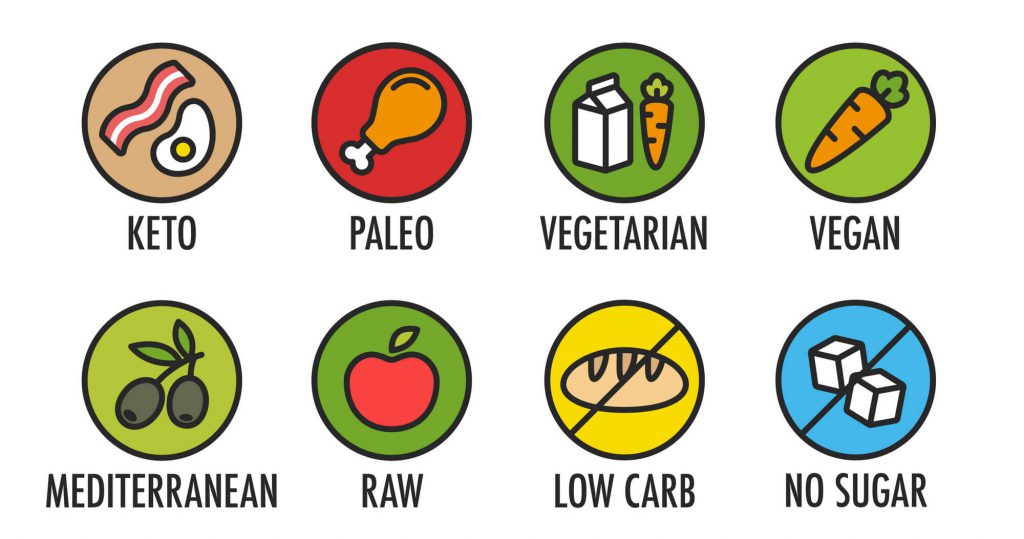
The perfect diet
If we pool all the data from all the diets and create a single diet, we arrive at a diet that focuses on both what is eaten and when it is eaten. We differentiate between the two in terms of timing. We have a timeline for a weight-loss diet, and we describe a timeline for a diet to support a healthy lifestyle (maintenance diet).
Timing of a weight loss diet
If you truly want to lose weight healthily, it's best to shorten your eating window. This is called intermittent fasting. How extreme you want to approach this depends on your health. Eating only between 12 and 6 pm is an example where weight loss happens relatively quickly. Eating between 2 and 6 pm is more difficult to maintain but works very well for rapid weight loss. We recommend starting with an 8-hour eating window. For example, eating between 10 am and 6 pm. If you want to shift the eating window by 1 or 2 hours, that's certainly no problem.
After waking up, make a cup of coffee or green tea with a tablespoon of coconut oil and a tablespoon of grass-fed butter. You can also drink as much water as you like. As long as you're not yet in your eating window but you're feeling hungry, have a second cup of coffee with a tablespoon of coconut oil and a tablespoon of grass-fed butter.
Timing maintenance diet
During the maintenance diet or healthy lifestyle, you don't have to stick to a specific eating timeframe. You can have a coffee with a tablespoon of coconut oil and a tablespoon of grass-fed butter in the morning and then slowly start eating the foods described below. It's also fine to start eating a little later in the morning. However, you should stop eating about three hours before going to bed.
Preparation of food
Overcooking food deteriorates its quality. Some products are best eaten raw, and vegetables are often cooked al dente. Chewing your food also improves health and body composition. When baking or using the oven, make sure you stick to a maximum temperature of 180 degrees Celsius.
The foods
Drinks
Drink at least 2 liters of clean fluids throughout the day to flush out toxins, especially if you're trying to lose weight. Here are the recommended drinks.
- Filtered water
- Water with a little lemon/lime
- Nut milk (unsweetened, max 1 glass per day)
- Tea (green or herbal)
- Coffee (not after 1 p.m.)
- Coconut water (during exercise)
Vegetables
You can eat the vegetables below in a variety of ways during your eating window. Make sure your diet consists of approximately 30-500kJ of vegetables. Organic is better than non-organic. If you buy non-organic vegetables, rinse them well with warm water.
- Artichoke
- Asparagus
- Cauliflower
- Kale
- Spring onion
- Broccoli
- Zucchini
- Cucumber
- Bok choy
- Leek
- Radish
- Celery
- Salad
- Green beans
- Spinach
- Brussels sprouts
- Fennel (max half per day)
- White cabbage
- Carrots
Fruit
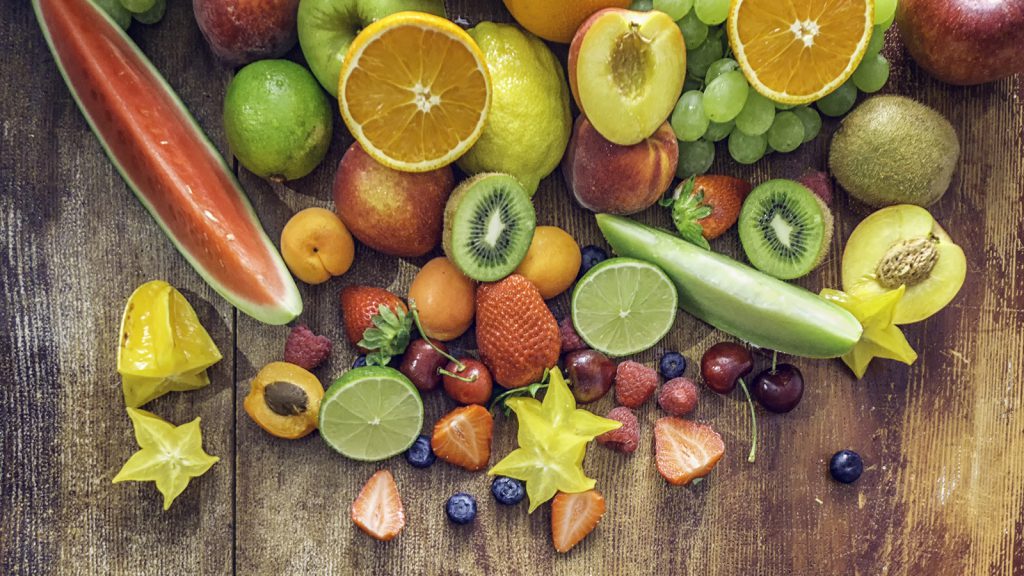
A handful of fruit per day is the recommended maximum. We recommend eating a handful of fruit before or after strenuous physical activity. Fruit and starchy foods are considered blood sugar-raising foods, and this group has its own 2-hour daily eating window. Here's a list of the best types of fruit.
- Strawberries
- Pineapple
- Avocado
- Blueberries
- Blackberries
- Lemon
- Cranberries
- Raspberries
- Pomegranate
- Grapefruit (watch out for medication)
- Apple (green and sour)
- Lime
- Mandarine
- Olives
- Blackcurrants
Starch
The following products are high in starch, and just like with fruit, you should only eat one handful per day during the blood sugar-raising window. Therefore, eat the products listed below within two hours before or after eating the fruits mentioned above.
- Potatoes
- Banana
- Cassava (must be well cooked because it is poisonous when raw)
- Bottle gourd
- Pumpkin
- Rice varieties
- Taro
- Root
- Yam
- Sweet potato
Spices
You can use any number of herbs during your eating window, and a little cinnamon is also allowed in your morning coffee. Just make sure that if you buy a spice mix, it doesn't contain added sugar or excessive salt. Mixing your own herbs with loose herbs is wiser. Try using fresh herbs occasionally. Iodized sea salt can be used in moderation.
Proteins
The protein sources below are best when the fish and animals are wild-caught or the livestock is grass-fed. Approximately 20-30 percent of your daily diet should consist of the following foods.
- Anchovies
- Trout
- Herring
- Sardines
- Haddock
- Sockeye salmon
- Tongue
- Summer flounder
- Game meat
- Grass-fed chicken
- Grass-fed lamb
- Grass-fed beef
- Grass-fed chicken egg
Adding protein through supplements can also be helpful, especially if you participate in a lot of sports or strenuous physical activity. We recommend the following protein powders.
Whey hydrolysate is a predigested milk protein with high bioavailability and high absorption. For athletes and people with increased protein needs, this protein is ideal for obtaining the right amino acids in high quantities.
Pepto Pro is predigested casein protein that has been divided into peptides and these are even better absorbable, but the biological value is slightly lower than Whey.
Silverback Protein is a plant-based pea protein supplemented with extra essential amino acids so that it has the same good biological value as Whey, but plant-based and lactose-free.
Essential amino acid mix is a blend of amino acids to supplement the protein in your diet without actually adding any extra protein. This option is especially useful if you think you're eating enough protein, but not the right amino acids.
Nuts and seeds
A handful of nuts and a tablespoon of seeds per day during your eating window is recommended. The best choices are unroasted and unsalted varieties. Alternate with the following products:
- Almonds
- Cashew nuts
- Hazelnuts
- Chestnuts
- Macadamia nuts
- Pecans
- Walnuts
- Mix of seeds
Fats
Since this diet consists of approximately 25-40% of healthy fats, you can use or supplement liberally with the following products.
- Coconut oil
- Avocado oil
- Krill oil
- Fish oil
- Grass butter
- Ghee (clarified butter)
- Extra virgin olive oil
- Linseed oil
- Hemp seed oil
Cheat day
Having a cheat day is actually good for weight loss and increasing your chances of success. During this festive day, you can eat whatever you want. According to various studies, one cheat day every two weeks is better than no cheat day at all. Try to limit yourself to one cheat day per week.