The ban on magic mushrooms
The ban on magic mushrooms in the Netherlands took effect on December 1, 2008. This ban followed a number of widely reported incidents in the media, in which magic mushroom use was linked to serious accidents and even fatalities. The most high-profile incidents occurred in 2007, when several young people under the influence of magic mushrooms suffered fatal accidents. However, subsequent research could not guarantee that magic mushrooms were the sole cause of these accidents. It often turned out that polydrug use was involved.
The decision to ban magic mushrooms was primarily based on public concern and the perception that these substances were dangerous. The government decided to place magic mushrooms on the list of prohibited substances to protect public health. This led to the criminalization of magic mushroom use. The ban made it more difficult to offer therapeutic sessions with magic mushrooms.
Psilocybin as a known substance in magic mushrooms
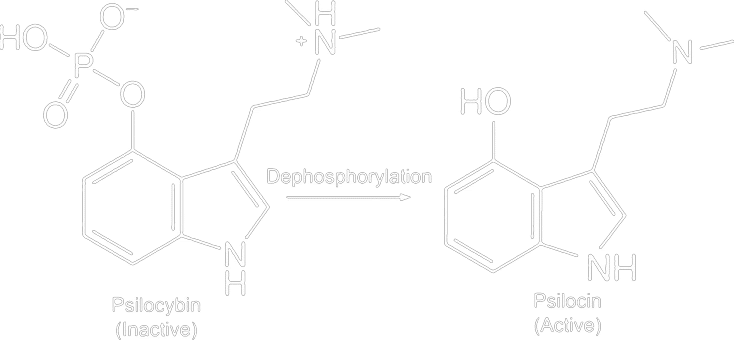
Psilocybin is the most well-known psychoactive substance found in magic mushrooms, primarily due to its relatively high concentration compared to other psychoactive substances in the mushrooms. This substance, chemically known as O-phosphoryl-4-hydroxy-N,N-dimethyltryptamine, is converted in the body to psilocin, the active form responsible for the psychedelic effects.
Psilocin is the active metabolite of psilocybin. However, psilocin is less stable than psilocybin; it oxidizes more quickly and can therefore lose its potency if not stored properly. Because of psilocin's instability, its precursor, psilocybin, is often mentioned first and is also used more frequently in scientific research.
Besides psilocybin and psilocin, magic mushrooms also contain lower concentrations of baeocystin, norbaeocystin, tryptophan, and some sources even mention a small amount of DMT in magic mushrooms. Because the concentration of these substances is low and most are converted into psilocin, they are often considered insignificant in terms of psychoactive effects.

The difference between magic mushrooms and psilocybin capsules
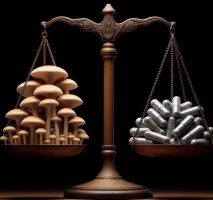
In theory, it shouldn't make much difference whether a person takes magic mushrooms or is given psilocybin capsules. Both psilocybin and the psychoactive compounds in magic mushrooms are almost entirely converted into psilocin or a molecule very similar to it. Yet, many people experience a greater "healing" experience when using the whole magic mushroom than with isolated psilocybin from a capsule. Why is this? Do the additional substances present in the mushroom play a role? Does using a natural product help mentally? Is the absorption rate of psychoactive substances different? Or do the other substances present in the mushroom actually provide a little extra help by providing a slightly different experience?
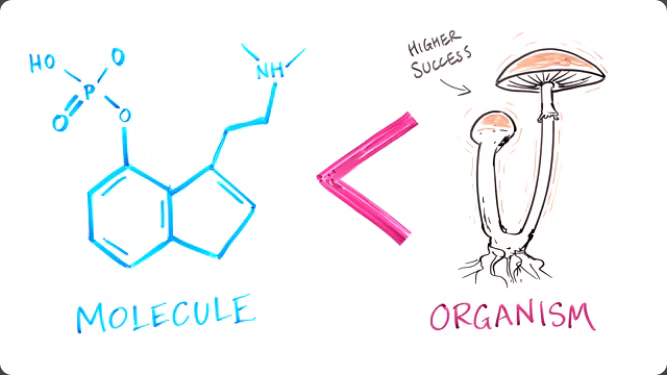
We believe that all the aforementioned possibilities play a role in achieving a better experience on magic mushrooms than with psilocybin alone. Furthermore, the various terpenes and other compounds in the mushrooms can contribute to the overall experience. These substances can influence how psilocin works, leading to a unique and sometimes more holistic experience. This phenomenon is often referred to as the entourage effect, where the presence of various substances works together to create a more complete and potentially more effective experience.
Using whole magic mushrooms can therefore offer a richer and more complex experience than isolated psilocybin capsules, not only because of the presence of additional psychoactive substances, but also because of the psychological and emotional context of using a natural product. All of this points to the need for further research into the various effects of these substances and how they can best be used for therapeutic purposes.
Legalizing mushroom therapy
We believe that magic mushrooms should be legalized so we can more easily experience psychedelic sessions with these natural treasures. Just like cannabis and other herbal medicines, we shouldn't deprive humanity of these products out of fear and misinformation. Magic mushrooms are the least harmful drugs, but they should be taken under the right circumstances.
Allowing mushrooms to be used for treating mental health conditions would be a good thing, but allowing mushrooms for personal growth, physical health, and spiritual ceremonies would primarily benefit a lot of people.
While most research focuses on psilocybin, it would be great to give more credit to the entire magic mushroom. Let's get back to nature and legalize magic mushrooms!
Mushroom therapy as a medical treatment
Psilocybin therapy has received considerable attention in the scientific community in recent years, primarily due to its promising results in treating various mental health conditions such as depression, anxiety disorders, and post-traumatic stress disorder (PTSD). There are several reasons why psilocybin therapy is more likely to be recognized as a medical treatment than therapies that involve the entire mushroom plant. Here are some reasons why psilocybin is more likely to be recognized as a medical device or medication:
- Scientific researchPsilocybin is the subject of numerous clinical trials conducted by renowned institutions. These studies have shown that psilocybin can be effective in reducing symptoms of serious mental illnesses. The FDA has even expedited some of these studies, indicating growing acceptance of psilocybin as a potential medication.
- Better dosingPsilocybin can be administered in controlled doses, making it easier to ensure safety and effectiveness. Magic mushrooms contain a complex mixture of substances, the concentrations of which can vary from strain to strain and from flush to flush. Using psilocybin capsules during research provides greater certainty and predictability, which is essential in research.
- Medicine labelCurrent research and clinical trials are primarily focused on the therapeutic effects of psilocybin, allowing it to be used as a medicine. This facilitates a clear path to approval, unlike broader therapies that encompass the entire mushroom plant, which can lead to more variables and complications in research results. Mushrooms likely cannot be classified as medicines, while psilocybin may be.
- Social AcceptanceThere's a growing movement advocating for the legalization and acceptance of psychedelics for medical and therapeutic use. Psilocybin carries fewer cultural stigmas than magic mushrooms. Magic mushrooms are more readily associated with drug abuse. This could contribute to a faster acceptance of psilocybin than magic mushrooms.
How do you simulate future mushroom sessions?
In the Netherlands, the use of magic mushrooms is currently illegal. However, there is a legal way to experience the effects of magic mushroom therapy using magic truffles. Magic truffles contain the same active ingredients as magic mushrooms—psilocybin, baeocystin, norbaeocystin, and psilocin—but are legal in the Netherlands. This offers a unique opportunity for people interested in psychedelic therapy without the legal complications associated with magic mushrooms.
The therapy with these magic truffles can be performed similarly to psilocybin therapy research. This includes a therapist who helps with preparation, the psychedelic session with truffles, and the integration. The session utilizes therapeutic techniques, music, and a period of introspection (with an eye mask).
Moreover, this psychedelic therapy involves more than just the use of truffles. Our comprehensive approach also considers the participant's overall health and lifestyle. This may include nutritional and exercise advice, as well as neurotransmitter testing. This holistic perspective is essential for maximizing the therapy's benefits and promoting long-lasting positive changes in participants' lives.
Sign up for a psychedelic session
Psychedelic therapists and trip-sitters
See who we are, what our experience is, what languages we speak, and what areas we operate in through the overview of our staff below. If you have a direct question, please contact us through our profile pages. We're happy to help!
With a background in chemistry, a passion for philosophy, and extensive knowledge of psychology and health, his approach is holistic. Marcel is a full-time trip leader. With over 2,300 guided sessions, Marcel is the most experienced member of our team.
Ronald is a psychosocial therapist and has completed the following training: Jungian Philosophical Therapist, Psychodrama Therapist, Master Voice Dialogue, Transformational Psychology, Internal Family System (IFS), Mindfulness and Compassion Trainer.
Janneke is studying Applied Psychology, is a lifestyle coach, handles initial client contact, develops lifestyle plans, and performs administrative tasks. She also acts as a confidential counselor. In addition to these duties, she is available to facilitate sessions on a limited basis.
As a psychologist, Reineke combines both conventional and alternative care methods. She utilizes various techniques, such as talk therapy, yoga, breathing exercises, and EMDR, combined with the therapeutic effects of psychedelics.

Sascha has a solid foundation as a psychedelic therapist, thanks to her psychology studies, Master's degree in Clinical Psychology, and experience working in addiction treatment, (specialized) mental health care, and rehabilitation as a psychologist. She also has additional training in cognitive behavioral therapy and EMDR.
Gijs has 20 years of experience in outpatient mental health care. He taught and supervised the Mental Health and Addiction Care program at the HAN University of Applied Sciences Arnhem Nijmegen. He also has extensive experience in mindfulness, talk therapy, neurofeedback, meditation, compassion training, and ACT.
Ylva is a BIG-registered GZ psychologist and supports Triptherapie as an advisor in the areas of psychological care, mental health frameworks, safety, and integration. Ylva does not offer psychedelic sessions but is available for additional support.