

Why magic mushroom therapy should be made legal

Paddling therapy and the law

The ban on mushrooms

The ban on magic mushrooms in the Netherlands came into effect on December 1, 2008. This ban followed a series of incidents that were widely reported in the media, linking the use of magic mushrooms to serious accidents and even fatalities. The most notable incidents occurred in 2007, when several young people under the influence of magic mushrooms suffered fatal accidents. However, later research could not guarantee that magic mushrooms were the sole cause of the accidents. It often turned out to be polydrug use.

The decision to ban psilocybin mushrooms was primarily based on public concerns and the perception that these substances were dangerous. The government decided to place psilocybin mushrooms on the list of prohibited substances, with the aim of protecting public health. This led to the criminalization of the use of psilocybin mushrooms. The ban made it more difficult to offer therapeutic sessions with psilocybin.

Psilocybin as a known substance in magic mushrooms

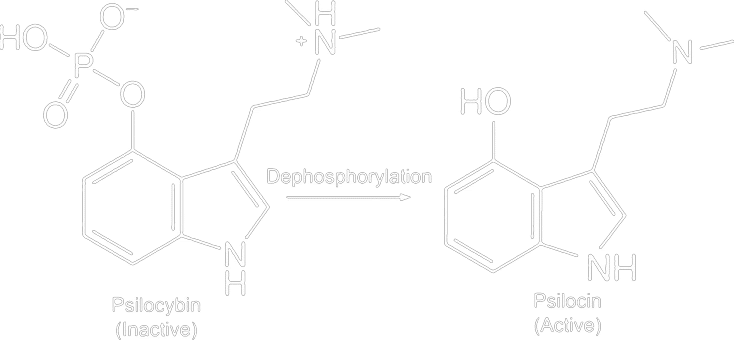
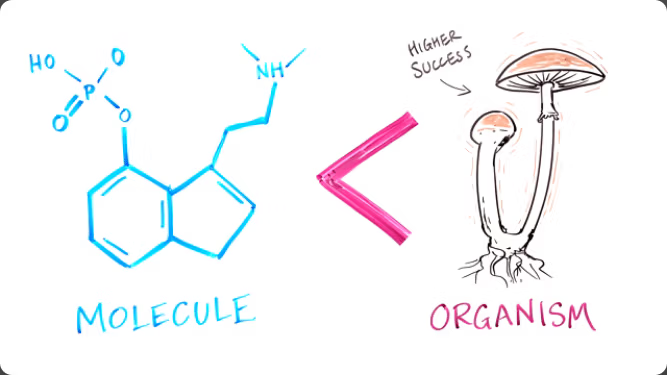
Psilocybin is the most well-known psychoactive substance found in magic mushrooms, mainly because of its relatively high concentration compared to other psychoactive substances in the mushrooms. This substance, which is chemically known as O-phosphoryl-4-hydroxy-N,N-dimethyltryptamine, is converted in the body into psilocin, the active form responsible for the psychedelic effects.

Psilocybin is the active metabolite of psilocin. However, psilocybin is less stable than psilocybin; it oxidizes more quickly and may therefore lose its effectiveness if it is not stored properly. Due to the instability of psilocybin, the precursor psilocybin is often mentioned and also more frequently used during scientific research.


Psilocin after conversion to psilocybin

Besides psilocybin and psilocine, mushrooms also contain, in lower concentrations, baeocystine, norbaeocystine, tryptophan, and some sources even mention that there is a bit of DMT in mushrooms. Since the concentration of these substances is on the low side and most of them are converted into psilocybin, they are often considered non-significant substances when it comes to the psychoactive effects.

Similarities between DMT, psilocin and serotonin

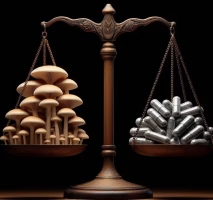
The difference between mushrooms and psilocybin capsules

In theory, it shouldn’t really matter whether a person takes mushrooms or receives psilocybin capsules. Both psilocybin and the psychoactive compounds in mushrooms are almost all converted into psilocin or a molecule that closely resembles it. Yet there are a lot of people who experience more “healing” when using the entire magic mushroom than when taking isolated psilocybin from a capsule. How does that happen? Do the extra substances present in the mushroom play a role? Does using a natural product help mentally? Does the rate of absorption of psychoactive substances differ? Or do the other substances present in the mushroom still help a little extra by giving a slightly different experience?

We believe that all of the previously mentioned possibilities play a role in providing a better experience with the mushrooms than with psilocybin itself. Moreover, the various terpenes and other compounds in the mushrooms can contribute to the overall experience. These substances can influence the way psilocybin works, leading to a unique and sometimes more holistic experience. This phenomenon is often referred to as the entourage effect, where the presence of various substances works together to create a more complete and potentially more effective experience.

The use of whole magic mushrooms can therefore offer a richer and more complex experience than isolated psilocybin capsules, not only due to the presence of additional psychoactive substances, but also by the psychological and emotional context of using a natural product. All this points to the need for further research into the various effects of these substances and how they can best be used for therapeutic purposes.

Legalizing the use of magic mushrooms therapy

We believe that magic mushrooms should be legalized so that we can have easier psychedelic sessions with these natural treasures. Just like cannabis and other herbal medicines, we must not deprive humanity of these products out of fear and misinformation. Magic mushrooms are the least harmful drugs, but they should be taken under the right circumstances.

Allowing the use of mushrooms for the treatment of mental illnesses would be nice, but allowing the use of mushrooms for personal growth, physical health, and for spiritual ceremonies would primarily benefit a lot of people.

Although most research focuses on psilocybin, it would be nice to give the entire mushroom more credit. Let’s go back to the natural base and legalize the mushrooms!

Mushrooms therapy as a medical treatment

Psilocybin therapy has received considerable attention in the scientific community in recent years, mainly due to the promising results in the treatment of various mental disorders such as depression, anxiety disorders, and post-traumatic stress disorder (PTSD). There are several reasons why psilocybin therapy will be more readily accepted as a medical treatment than therapies that include the entire mushroom. These are some of the reasons why psilocybin is more readily accepted as a medical tool or drug:

  1. Scientific researchPsilocybin is the subject of numerous clinical studies conducted by renowned institutions. These studies have shown that psilocybin can be effective in reducing the symptoms of severe mental disorders. The FDA has even accelerated the review of some of these studies, indicating a growing acceptance of psilocybin as a potential medication.
  2. Better dosingPsilocybin can be administered in controlled doses, which makes it easier to ensure safety and effectiveness. Mushrooms contain a complex mixture of substances, the concentrations of which may vary per species and per flush. Using psilocybin capsules during studies provides more certainty and predictability, which is necessary in studies.
  3. Drug labelCurrent studies and clinical trials are primarily focused on the therapeutic effects of psilocybin so that it can be used as a medicine. This makes it easier to follow a clear path towards approval, as opposed to broader therapies that encompass the entire mushroom, which can lead to more variables and complications in the research results. Mushrooms are unlikely to be classified as a medicine, while psilocybin might well receive that status.
  4. Social acceptanceThere is a growing movement advocating for the legalization and acceptance of psychedelics for medical therapeutic use. Psilocybin has fewer cultural stigmas than the entire mushroom. Mushrooms are, in fact, associated with drug abuse. This can contribute to a faster acceptance of psilocybin than the mushrooms.

How do you replicate future paddos sessions?

In the Netherlands, the use of magic truffles is now still illegal. However, there is a legal way to experience the effects of magic therapy by using magic truffles. Magic truffles contain the same active ingredients as magic mushrooms, namely psilocybin, baeocystine, norbaeocystine, and psilocin, but are legal in the Netherlands. This offers a unique opportunity for people interested in psychedelic therapy without the legal complications associated with magic mushrooms.

The therapy with these magic truffles can be carried out as is done in studies of psilocybin therapy. This includes a therapist who helps with preparation, the psychedelic session with the truffles, and integration. During the session, therapeutic techniques, music, and a portion of introspection (with eye mask) are used.

Psilocybin mushrooms or psilocybin

Furthermore, this psychedelic therapy not only involves the use of truffles. Our comprehensive approach also considers the participant’s overall health and lifestyle. This may include providing nutritional and physical exercise advice, as well as testing for neurotransmitters. This holistic perspective is essential for maximizing the benefits of the therapy and promoting long-term positive changes in the participants’ lives.

Sign up for a psychedelic session

We ask everyone who signs up Triptherapie for a psychedelic session to complete the intake form. The intake is part of the process and serves several important goals. First, the intake helps to obtain a detailed picture of the client’s personal situation. This includes filling out an intake form and a neurotransmitter test, which provide insight into the mood state and the neurochemistry of the client. This is essential because the effectiveness of psychedelic therapy, such as that with psilocybin, depends strongly on the neurochemistry, mental state, and physical health of the participant.
 
A good understanding of the client’s background enables us to develop a tailor-made treatment plan. This plan can include advice on nutrition, exercise, and supplements, all of which contribute to a better preparation for the psychedelic session. Research has shown that a healthy lifestyle and a good balance in neurotransmitters can improve the effectiveness of psychedelic therapies.
 
In addition, the intake process offers the opportunity to identify any risks. Not everyone is suitable for psychedelic therapy, and through a screening we can carry out a preliminary check for contraindications. This is especially important for people with certain medical conditions or who are taking medication that may have a negative interaction with psychedelics.
 
Fill out the intake form without obligation or free of charge, or read more about psilocybin, our therapists, or prices via the buttons and information below.

Psychedelic therapists and trip counselors

See who we are, what our experience is, which languages we speak, and in which field we work through the overview of our staff below. If you have a direct question, please contact us through our profile pages. We’d be happy to help you!

Janneke van de Geijn, confidant and psychedelic facilitator

Janneke van de Geijn

Trusted contact person & Psychedelic guide

372 guided sessions
NL · EN

Lifestyle coach and trusted advisor. Responsible for customer contact and preparation; available for sessions only when necessary.
Every one of den Neucker, integrative psychotherapist

Elke van den Neucker

Integrative psychotherapist

195 guided sessions
NL · EN · FR

Self-employed in the Netherlands

Integrative psychotherapist with experience as a teacher and supervisor; additional training in IFS and integration.
Ylva Doorewaard Boekhout, GZ psychologist and advisor

Ylva Doorewaard Boekhout

health care psychologist

Supportive advisor
NL · EN

BIG number: 19930515225

Adviser for psychological care, safety and integration. Does not offer psychedelic sessions.