Legal LSD session in the Netherlands
In the Netherlands, LSD is illegal because it is listed on the Opium Act as a hard drug with a high degree of danger and addictive properties. LSD is classified as a Schedule 1 drug, which means it is considered a substance with no medical value and a high risk of abuse and addiction. The possession, production and sale of LSD (and other hard drugs such as cocaine and heroin) is therefore punishable under the Dutch Opium Act. The law aims to protect public health and combat drug-related crime. According to various studies, LSD can have medical value and is incorrectly listed on Schedule 1 of the Opium Act.
In the Netherlands, surely we can offer an LSD session legally by not using illegal LSD, but a legal analogue. After ingestion and conversion by the acidic environment of the body, this legal LSD analogue has the exact same effect as LSD. As a result, LSD sessions using this legal analogue are also called LSD sessions, while the session still complies with legislation. According to current legislation, an LSD session is therefore not an official treatment that replaces regular mental healthcare therapy.
Scientific findings
Over the past five years, there has been a renewed interest in research into LSD (lysergic acid diethylamide) and the potential of this substance in the treatment of various psychological disorders. Old studies from the 1950s and 1960s, which had shown that LSD could be a potential therapeutic agent, were dismantled at the time of the US war on drugs.
Recent studies have shown that LSD can be used to reduce symptoms of depression, anxiety and addiction. Research is being conducted into LSD's ability to reduce the sense of ego, which can lead to a greater sense of connection with others and the world around us.
Recently, a new study has been started by the University of Basel in which LSD is combined with virtual reality therapy to see whether this increases the effectiveness of this treatment. Much is still being discovered about the therapeutic potential of LSD, and more interesting results will undoubtedly be published in the coming years.
The mechanism of action of LSD
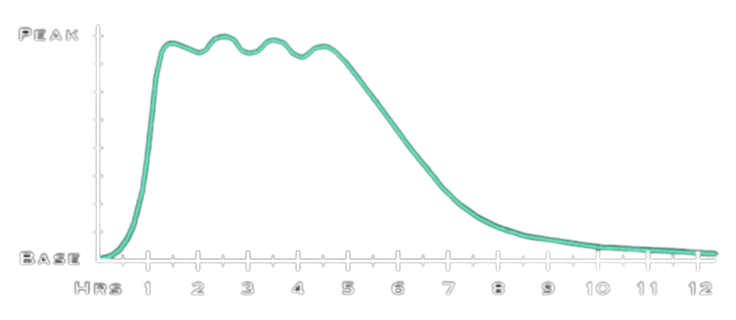
During an LSD session, the first noticeable effects begin about half an hour after ingestion. The peak of the effects is reached on average after an hour and a quarter. The action of LSD can be divided into the subjective experience and the measurable changes in the brain. Read more about the change in brain function and the change in perception via the pages below.
The contraindications
According to various studies, LSD, much like psilocybin, is a very safe psychedelic. Even so, combinations with various medications or conditions can be dangerous. It is therefore important to go through an intake process before booking an LSD session. The intake serves as a check and can help determine whether you have an increased risk of adverse effects, such as panic attacks, paranoia, hallucinations, and other psychological problems. Furthermore, the intake also serves as the basis for personal advice in preparation for any potential LSD session.
- Lithium medication
- Tramadol medication
- MAO inhibitors, SSRIs, antidepressants or antipsychotics
- An increased risk of psychosis
- Paranoid susceptibility
- Susceptibility to suspicion
- High blood pressure or heart problems
- Younger than 23 years old
- Pregnant and/or breastfeeding
- PTSD and severe trauma
Booking an LSD session
Choose the location yourself where the LSD session can take place. According to the client's preference, we can make home visits, or visit hotels, holiday homes or Airbnbs. We also offer these sessions at our own locations. We can facilitate individual sessions and groups of up to eight people. If an LSD session is booked for its therapeutic effects, we recommend keeping the group size relatively small.
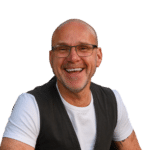
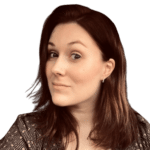
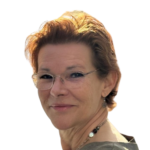
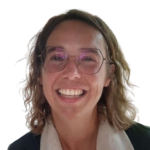
The facilitators who guide LSD sessions are Marcel, Sascha, Ronald, Gijs, Reineke and Janneke. You can open the profile pages of these therapists via the overview below or calculate what an LSD session costs at your location using the calculation module.
About the supervisors
If you want to know more about the therapists and trip sitters who can work with LSD and LSD analogues, you can get acquainted below, visit their LinkedIn pages, check availability via the calendar option, or read the reviews left by other clients about the respective guide.
With a background in chemistry, a passion for philosophy, combined with a wealth of knowledge on psychology and health, his approach is holistic. Marcel is a full-time trip guide. With more than 2,450 guided sessions, Marcel has the most experience on our team.
Ronald is a psychosocial therapist and has completed the following training: Jungian Philosophical Therapist, Psychodrama Therapist, Master Voice Dialogue, Transformation Psychology, Internal Family Systems (IFS), and Mindfulness and Compassion Trainer.
Janneke studies Applied Psychology, is a lifestyle coach, handles initial client contact, draws up lifestyle plans and carries out administrative tasks. She also acts as a confidential adviser. Alongside these duties, she has limited availability for facilitating sessions.
As a psychologist, Reineke combines both conventional and alternative care methods. She uses various techniques, such as talk therapy, yoga, breathing exercises, and EMDR in combination with the therapeutic effects of psychedelics.
With her degree in psychology, Master's in Clinical Psychology, and work experience as a psychologist in addiction care, (specialised) mental healthcare, and rehabilitation, Sascha has a strong foundation as a psychedelic therapist. She has additional training in cognitive behavioural therapy and EMDR.
With her Master’s degree in psychology, her training as an integrative psychotherapist at the AIHP, and her many years of work experience as a psychotherapist, lecturer and supervisor, Elke has a solid foundation as a psychedelic therapist. She has additional training in existential wellbeing (KU Leuven), Zendo SIT (Sitting and Integration Training) and Internal Family Systems (IFS).
Gijs has 20 years of experience in outpatient mental health care. He taught and supervised the MGZ-GGZ program at the HAN (Hogeschool Arnhem Nijmegen). Furthermore, Gijs has developed extensively in mindfulness, conversational therapy, neurofeedback, meditation, compassion training, and ACT.
Supportive therapist
Ylva is a BIG-registered Healthcare Psychologist and supports Triptherapie as a consultant in the fields of psychological care, mental healthcare frameworks, safety and integration. Ylva does not offer psychedelic sessions, but is available for additional support.