
What are the risks and dangers of a truffle ceremony?
Many people wonder what the dangers of a truffle ceremony are. What many people ask is whether truffle ceremonies are dangerous because they could trigger a psychosis. Is that so? And what other things should we pay attention to when someone signs up with us for a magical truffle ceremony?
What is a truffle ceremony?
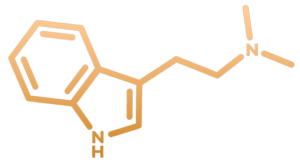
During a truffle ceremony, participants consume psychedelic truffles, which naturally contain psilocybin. This substance is converted in the body into psilocin, which activates the serotonin receptors in the brain. The effect can lead to changes in perception, mood, and consciousness. Despite the intense experiences, various sources indicate that – provided the proper preparation and guidance – there are relatively few risks associated with the use of these substances.
Overview of the most important risks
Physical complications
Although truffles are generally considered safe, they can temporarily cause physical reactions such as an increased heart rate, fluctuations in blood pressure, nausea, or confusion. These effects are usually short-lived and disappear after a few hours, because psilocybin has a mean half-life of 2.5 hours. The risk of serious physical complications is especially relevant for people with pre-existing cardiovascular diseases. Scientific literature confirms that, compared to other substances such as alcohol or XTC, the physiological impact of psilocybin is limited when it is used responsibly.
Psychological complications
Although psychedelics can have therapeutic effects in some cases, the use of truffles can worsen existing mental disorders or even trigger new ones. People with a history of depression, anxiety disorders, or bipolar disorders may be at increased risk. Thorough screening before the ceremony helps with this. Scientific studies, including research from institutions such as Johns Hopkins University, indicate that psilocybin – if controlled and under supervision – can be safely used for specific mental disorders, but also emphasize the need to monitor individuals with a vulnerable mental background more closely.
Bad trips
A commonly mentioned risk is the possibility of a bad trip. This can occur when the setting is not safe or when a participant is not in an optimal state of mind. During a bad trip, feelings of fear, panic, and overwhelming emotions can arise. Our pre-screening, advice on improving neurochemistry, and guidance from professionals play a crucial role in creating a trusted environment and providing the necessary support to calm negative experiences. This greatly reduces the risk of a prolonged unpleasant experience.
Psychosis
Research indicates that the active substance in truffles, psilocybin, does not usually cause long-lasting psychosis in people without a psychotic predisposition. The effects of psilocybin depend strongly on the ‘set and setting’ – the mental state of the user and the environment in which the drug is used. However, if someone is already susceptible to psychosis, the intense consciousness-altering experience of psilocybin can act as a catalyst for a psychotic reaction. It is therefore crucial that people who know or suspect that they are susceptible to psychosis exercise extra caution when using truffles and other psychedelics.
The role of professional mentors
An important aspect of a safe truffle ceremony is the involvement of expert guides. Prior to the ceremony, an extensive intake interview is often conducted, in which medical and psychological background is discussed. This preparation helps to identify potential risks early and, if necessary, advise against participating. During the ceremony, an experienced team is on hand to provide support, so that even if there is a difficult experience, the participant is not left alone. After the session ends, follow-up care is often provided to properly integrate the insights and emotions gained into daily life.
Recent research supports this integration process: studies show that good guidance not only reduces the risk of a negative experience, but also enhances the therapeutic value of psilocybin. For example, a study published in the Journal of Psychopharmacology emphasizes that the set and setting – i.e., the mental state of the user and the environment – are crucial for a positive outcome in psychedelic therapy.
Our guides

With a background in chemistry, a passion for philosophy, combined with a wealth of knowledge on psychology and health, his approach is holistic. Marcel is a full-time trip guide. With more than 2,450 guided sessions, Marcel has the most experience on our team.

Ronald is a psychosocial therapist and has completed the following training: Jungian Philosophical Therapist, Psychodrama Therapist, Master Voice Dialogue, Transformation Psychology, Internal Family Systems (IFS), and Mindfulness and Compassion Trainer.

Janneke studies Applied Psychology, is a lifestyle coach, handles initial client contact, draws up lifestyle plans and carries out administrative tasks. She also acts as a confidential adviser. Alongside these duties, she has limited availability for facilitating sessions.

As a psychologist, Reineke combines both conventional and alternative care methods. She uses various techniques, such as talk therapy, yoga, breathing exercises, and EMDR in combination with the therapeutic effects of psychedelics.

With her degree in psychology, Master's in Clinical Psychology, and work experience as a psychologist in addiction care, (specialised) mental healthcare, and rehabilitation, Sascha has a strong foundation as a psychedelic therapist. She has additional training in cognitive behavioural therapy and EMDR.

With her Master’s degree in psychology, her training as an integrative psychotherapist at the AIHP, and her many years of work experience as a psychotherapist, lecturer and supervisor, Elke has a solid foundation as a psychedelic therapist. She has additional training in existential wellbeing (KU Leuven), Zendo SIT (Sitting and Integration Training) and Internal Family Systems (IFS).
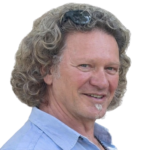
Gijs has 20 years of experience in outpatient mental healthcare. He taught and provided supervision for the Mental Health Nursing (MGZ-GGZ) degree programme at HAN University of Applied Sciences. Furthermore, Gijs has broadly developed himself in mindfulness, talk therapy, neurofeedback, meditation, compassion training and ACT.
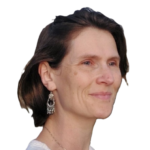
Supportive therapist
Ylva is a BIG-registered Healthcare Psychologist and supports Triptherapie as a consultant in the fields of psychological care, mental healthcare frameworks, safety and integration. Ylva does not offer psychedelic sessions, but is available for additional support.
The ratio of incidents
There is a clear difference in incidence frequency and severity when comparing truffles (psilocybin-containing mushrooms or truffles) with many other drugs. Studies and evaluations by experts show that the incidence of truffles is very rare. It is estimated that only about 1 incident occurs per 50,000 users, and that – provided they are used in a controlled and well-supervised setting – the risks of a truffle experience are generally low.
Alcohol versus truffles
Alcohol is one of the most incident- and harmful substances in our society. According to the RIVM, alcohol and tobacco score very high on the scale of total harm at both the individual and population level. This is due to the high frequency of use, the risks to driving behavior, aggression, chronic diseases, and numerous traffic and health incidents. In comparison, the incidents with truffles are exceptionally rare and usually mild, especially when attention is paid to a safe “set and setting”.
Ayahuasca versus truffles
Ayahuasca is also a natural psychedelic substance, but the risks are different. The effects of ayahuasca can be intense and unpredictable, especially when it is used without adequate guidance or in combination with certain medications (such as antidepressants or antipsychotics). Serious psychological reactions sometimes occur during ayahuasca ceremonies – such as the emergence of traumas or even the triggering of psychoses – which can increase the risks for vulnerable individuals. Nevertheless, relatively rare incidents are also reported in ayahuasca experiences, provided that they are conducted in a controlled setting.
Mushrooms compared to other drugs
Other drugs such as speed, ecstasy, or ketamine each have their own risk profile. These drugs can lead to unpredictable reactions, higher chances of addiction, or more pronounced physical and psychological side effects – especially when used in the nightlife scene or in unsafe settings. In comparison, truffles are generally less risky. Research indicates that, provided used responsibly (for example during a ceremony with professional guidance), truffles have a low risk of incidents and are less likely to cause long-term damage or addiction.
In summary
- TrufflesIncidents are very rare (about 1 in 50,000), especially when they are well prepared and supervised.
- AlcoholHas a much higher incidence and severity rate, with numerous health and traffic incidents resulting from high frequency of use and abuse.
- AyahuascaCan be more dangerous to unpack in unsafe or careless circumstances, especially for people with underlying mental health vulnerabilities, but in controlled settings incidents are also relatively rare.
- Other drugsDrugs such as speed, ecstasy and ketamine often have a higher risk profile in terms of unpredictable effects, addiction and physical side effects.
Given the low incidence of adverse events associated with truffles – compared to the high incidence associated with alcohol and the potentially more intense reactions associated with ayahuasca and some other drugs – it remains important that screening, preparation, and professional guidance are crucial for minimizing risks associated with the use of psychedelics and with truffle ceremonies.
In conclusion
Although a truffle ceremony offers great potential for personal and spiritual growth, it is important to be aware of the risks. The most significant dangers – such as the risk of a bad trip, psychological complications, and temporary physical reactions – can be significantly reduced by choosing a professional and safe setting. Scientific studies confirm that when psilocybin is used carefully and under supervision, the risks are limited and the therapeutic benefits are clearly evident.
For anyone considering participating in a truffle ceremony, it is essential to be well informed and to choose only an environment where safety and care are paramount. You can read more about a truffle ceremony, fill out the registration form, or view the available dates using the buttons.
Frequently asked questions
The most frequently asked questions about a session with psilocybin
View the answers to the most frequently asked questions about ceremonies involving truffles and psilocybin here. If the answer isn't there, you can also ask our chatbot Trippy or contact us.
Psilocybin mushrooms – also known as magic truffles – are underground, hard tubers (sclerotia) produced by certain types of psychedelic fungi. They contain the active substance psilocybin, which is converted in the body into psilocin. This substance causes the psychedelic effects, such as changes in perception, mood, and consciousness.
Unlike traditional mushrooms (the fruiting bodies of the fungus), psilocybin truffles are legally available in the Netherlands and are often used in controlled and supervised settings, for example in ceremonial or therapeutic contexts. The experience with truffles is strongly dependent on the “setting and environment”, i.e. the mood of the user and the environment in which the truffles are ingested.
In summary: psilocybin truffles are a natural source of the psychedelic substance psilocybin, which produces a changed state of consciousness and is often used for spiritual, therapeutic or recreational purposes.
During a truffle ceremony, the participant undergoes a carefully guided, phased inner journey that can be both physically and emotionally intense. The ceremony usually consists of the following components:
Preparation and intention setting:
Long before consumption, there is often an intake or intention meeting where you share your personal goals, expectations, and any concerns. This preparation helps you enter the experience in an open and relaxed state of mind. Often cleansing rituals are also used – think burning sage or other purifying methods – to free up your space and mind for the journey.
Creating a safe and serene environment (set and setting):
The ceremony takes place in a specially designed space that exudes tranquility, safety, and comfort. Think of a room with soft lighting, soothing music, and comfortable places to lie down (such as beds or pillows). This setting helps you fully immerse yourself in the experience and helps prevent unnecessary tension or anxiety.
Consumption of the truffles:
The truffles – often in the form of tea – are ingested under supervision. The dosage is carefully adjusted to the participant, ensuring that the experience takes place in a controlled and safe setting. This marks the beginning of the psychedelic journey.
The psychedelic journey:
After consumption, psilocybin begins to take effect, leading you to slowly enter a state of altered consciousness. Many participants lie down, often with eye masks on, so they can focus on the inner world. During the journey, vivid visual patterns, colors, and shapes may emerge, but profound emotions and personal insights also surface. You may experience moments of intense euphoria, reflection, or even emotional confrontation. Guides or trip companions are present to support you if questions or difficulties arise.
Integration and follow-up:
After the intensity of the experience diminishes, an integration period often follows. This involves discussing the insights gained with the facilitator (or with the group). By talking about the experiences, the lessons and emotions can be anchored in your daily life. This phase is crucial for transforming the psychedelic insights into lasting personal growth.
In summary:
During a truffle ceremony, you prepare mentally by formulating intentions and performing purification rituals; you consume the truffles in a carefully prepared, safe environment; you experience a profound inner journey with altered perceptions and emotions; and you conclude with an integrative phase in which you share and anchor the insights gained. This approach helps to optimally and safely harness the potentially transformative effects of the truffles.
People who have experienced a truffle ceremony on Triptherapie.nl generally describe an experience that is both visually and emotionally intense and transformative. The experiences vary of course from individual to individual, but some recurring themes are:
Deep inner journey and emotional processing:
Many participants report that the ceremony helps them release old emotions and patterns. There is often talk of moments when they are confronted with personal traumas, but ultimately this leads to relief and a sense of liberation. Some experience a kind of ‘reset’ of their emotional state, in which heaviness gives way to lightness and space.Changed perceptions and vivid visual experiences:
The psychedelic effects of psilocybin often lead to the perception of colorful patterns, geometric shapes, or even symbolic images that have personal meaning. This can be accompanied by a heightened sense of connection with oneself, others, and nature.Safe and supervised setting:
At Triptherapie.nl, great emphasis is placed on preparation, setting intentions, and a safe, supportive environment. The presence of experienced facilitators ensures that, even when there are intense moments or confusion, participants feel safe and supported.Integration of insights:
After the actual psychedelic experience, often conversations or integration sessions take place in which the acquired insights are shared. This helps the participants to anchor the experiences in their daily lives and achieve positive change, such as more self-confidence, a clearer perspective on life, or a renewed sense of connection.
In short, people who participate in a truffle ceremony at Triptherapie.nl usually experience a profound, visually impressive and emotionally healing journey, in which a carefully guided setting and integration of the insights are central. These experiences can lead to personal growth and a renewed perspective on life. Incidentally, you can find more information about this experience here. Read reviews about Triptherapie.