
Psychedelic therapy and guidance
Psychedelic therapy is a collective term for various forms of guidance in which a psychedelic experience is part of a personal or therapeutic journey. The term is used for clinical research, psychotherapy using a psychedelic substance, psychedelic coaching, and guidance surrounding preparation, the session, and integration.
Colloquially, psychedelic therapy is sometimes also referred to as Triptherapie. However, Triptherapie is primarily the name of our organisation and of our own working method. At Triptherapie we combine preparation, a guided psychedelic session and integration. Depending on the personal situation, this can be supplemented with additional psychological or psychosocial support from one of our therapists.
A psychedelic experience can provide new insights into thoughts, emotions and personal patterns. The experience can also be intense, confronting or confusing. That is why a programme does not start with taking a substance and does not end as soon as the effects wear off.
Check the availability of guided psychedelic sessions:
Different names
Various terms are used for psychedelic guidance. Their meanings are not always exactly the same. The terms below are used relatively often for individual psychedelic sessions.
Psychedelic therapy
A general term for guidance where a psychedelic substance is part of the process. The term can refer to research, psychotherapy, coaching, or a guided session.
Psychedelic-assisted therapy
Here, a psychedelic substance is used within a therapeutic protocol involving preparation, a guided session and follow-up discussions.
Psychedelic therapy
An older or general term for guidance using substances that can strongly alter perception, such as LSD, DMT, mescaline or psilocybin.
Entheogenic therapy
A term from spiritual and religious contexts. Some people experience a psychedelic session as spiritual, but that is personal and not the same for everyone.
psycholytic therapy
A historical term for guidance using relatively low doses of psychedelics, which could make emotions and memories more accessible within psychotherapy.
psychedelic therapy
Our term for integrated psychedelic facilitation, with a focus on preparation, setting, facilitation during the session and subsequent integration.
What are psychedelics?
Psychedelics are psychoactive substances that can temporarily alter perception, mood, thoughts and the perception of time. Examples include psilocybin, LSD, MDMA, DMT and ayahuasca.
Some psychedelics occur naturally in mushrooms, plants or other organisms. Other substances have been developed in a laboratory. In various cultures, plants and mushrooms have long been used for ritual, spiritual or medicinal reasons. Modern scientific study of psychedelics mainly took shape in the twentieth century.
How do psychedelics work?
Psychedelics do not all work in the same way. Psilocybin is converted into psilocin in the body. Psilocin affects serotonin receptors, among others, including the 5-HT2A receptor. LSD also acts strongly on the serotonergic system, but has a different duration and effect. MDMA has yet another pharmacological profile and is therefore not considered a classic psychedelic.
Researchers are studying various possible explanations for the psychological effects of psychedelics. Among other things, they are looking at:
changes in the activity and mutual communication of brain networks;
the role of the 5-HT2A receptor;
temporary changes in fixed patterns of thought and behaviour;
potential changes in neuroplasticity;
the influence of expectation, context and guidance;
emotional processing and the experiencing of meaning.
The Default Mode Network
The Default Mode Network, often abbreviated as DMN, is a network of brain regions involved in, among other things, self-referential thoughts, memories and thinking ahead to the future. During psychedelic experiences, some studies observe altered activity or coherence within this network.
Some researchers suspect that this may be linked to a temporary reduction in rigid self-images or recurring thought patterns. Participants sometimes describe this as greater detachment, openness or a different perspective on themselves.
Neuroplasticity and BDNF
Neuroplasticity is the ability of the nervous system to adapt connections and patterns. In laboratory research, changes in processes associated with neuroplasticity are being investigated for some psychedelics.
Also BDNF, a protein that plays a role in the development and maintenance of nerve cells, is being studied in this context.
mTOR and other biological processes
Signal pathways such as mTOR are also linked to the effects of some psychedelics in preclinical research. Such processes may potentially contribute to changes in synaptic connections or learning processes.
What might someone experience during a session?
The experience varies greatly depending on the person, substance, dose, setting, expectation, and physical and psychological condition.
Participants sometimes describe:
changed colours, shapes and sounds;
a different experience of time;
heightened emotions;
a sense of belonging;
introspection;
access to memories or feelings;
a changed view of oneself;
a meaningful or spiritual experience;
temporary confusion or difficulty letting go of control.
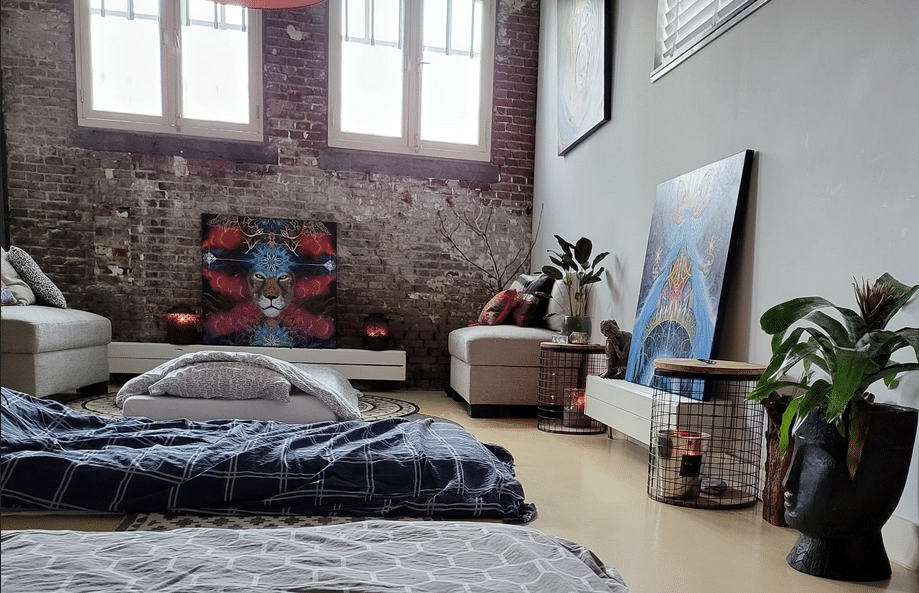
Some participants use words like ego loss or ego death for a temporary change in their usual sense of identity. That can be experienced as liberating, but also as frightening.
A session can begin calmly, but can also evoke tension when someone notices that their usual control offers less stability. An experienced facilitator can help by remaining calmly present, providing explanations and safeguarding practical safety.
Emoties mogen tijdens een sessie worden ervaren, maar hoeven niet te worden geforceerd. Niet iedere emotie is een verborgen trauma en niet iedere gedachte tijdens een psychedelische ervaring is een feit. Integratie achteraf helpt om de ervaring in perspectief te plaatsen.
Integratie na de psychedelische sessie
Psychedelica en psychische klachten
Er wordt onderzoek gedaan naar psychedelica bij verschillende psychische klachten en aandoeningen. Voorbeelden zijn depressie, angst rond ernstige ziekte, PTSS, verslavingsproblematiek, sociale angst en existentiële zorgen.
Sommige deelnemers vertellen dat zij na een sessie meer hoop, ruimte of afstand ervaren. Anderen merken dat zij gemakkelijker over bepaalde onderwerpen praten of met meer aandacht naar hun gedrag kijken. Zulke ervaringen kunnen betekenisvol zijn, maar zijn geen bewijs dat een sessie een aandoening behandelt.
Depressieve klachten
Psilocybine wordt in klinisch onderzoek onderzocht bij depressie en therapieresistente depressie. Sommige onderzoeken laten een vermindering van depressieve symptomen zien wanneer psilocybine wordt toegediend binnen een zorgvuldig voorbereid protocol met psychologische ondersteuning.
Angst en sociale angst
Sommige deelnemers beschrijven na een sessie meer zelfacceptatie, emotionele ruimte of verbondenheid. Psilocybine wordt ook onderzocht bij angstklachten, onder meer bij mensen met een ernstige lichamelijke aandoening.
Trauma en PTSS
Psychedelica worden onderzocht in relatie tot trauma en PTSS. MDMA wordt bijvoorbeeld onderzocht als aanvulling op gestructureerde psychotherapie. Een mogelijke verklaring is dat sommige deelnemers tijdens een begeleid protocol meer veiligheid, vertrouwen of emotionele openheid ervaren, waardoor het bespreken van traumatische herinneringen minder wordt vermeden.
Verslaving
Onderzoekers bestuderen psilocybine en andere psychedelica ook bij verslavingsproblematiek. Sommige deelnemers vertellen dat zij tijdens of na een sessie anders naar hun middelengebruik kijken of meer motivatie ervaren om gewoonten te veranderen.
Burn-out en overbelasting
Sommige mensen gebruiken een psychedelische ervaring als aanleiding om stil te staan bij werkdruk, grenzen, rust en leefstijl. Deelnemers kunnen vertellen dat zij na afloop meer aandacht hebben voor signalen van overbelasting.
Existentiële vragen en doodsangst
Een psychedelische ervaring kan vragen oproepen over betekenis, sterfelijkheid, identiteit en verbondenheid. Sommige deelnemers ervaren dit als troostend of perspectiefverruimend. Anderen kunnen juist met nieuwe onzekerheid of angst achterblijven.
Is psychotherapie altijd nodig?
Psychedelische therapie wordt vaak onderzocht in combinatie met psychologische of psychotherapeutische ondersteuning. Dat komt doordat voorbereiding en integratie belangrijk zijn en omdat deelnemers soms hulp nodig hebben om intense ervaringen te verwerken.
Tegelijkertijd verschilt de behoefte aan begeleiding per persoon. Sommige mensen hebben vooral behoefte aan een veilige setting en praktische ondersteuning. Anderen willen coaching of reflectieve gesprekken. Mensen met complexe psychische klachten kunnen intensievere psychotherapeutische of psychiatrische zorg nodig hebben.
Er bestaat dus geen universele begeleidingsvorm. De keuze hangt af van je gezondheid, hulpvraag, eerdere ervaring, verwachtingen en de intensiteit van de sessie.
Verschillende niveaus van begeleiding
Je kunt begeleiding zien als een spectrum.
Aan de ene kant staan mensen die vooral behoefte hebben aan praktische veiligheid, een rustige omgeving en een ervaren begeleider. In het midden staan deelnemers die ondersteuning willen bij voorbereiding, de sessie en integratie. Aan de andere kant staan mensen die behoefte hebben aan een psychotherapeutisch of psychiatrisch kader.
Sommige mensen zijn niet geschikt voor psychedelische sessies, bijvoorbeeld vanwege medische of psychische contra-indicaties. Niet deelnemen kan dan de veiligste keuze zijn. Vul daarom altijd onze intake eerst in om snel te controleren of je geschikt bent voor onze dienstverlening.
Advies en aanmelding
Vanwege alle mogelijkheden op gebied van psychedelische therapie, kan het zijn dat een keuze maken moeilijk wordt. Verder zijn er voor het gebruik van psychedelica contra-indicaties die wij willen controleren bij klanten die zich aanmelden voor onze dienstverlening. Om te kunnen assisteren bij het maken van een goede en veilige keuze, vragen wij u om de intake in te vullen die te vinden is via de onderstaande knop. Via de intake krijgen we ook alvast informatie die dient als basis voor de adviezen die wij geven ter voorbereiding van de psychedelische sessie. Een belangrijk onderdeel van de voorbereiding is het verbeteren van de neurochemie (neurotransmitters) om een betere sessie en gemoed te bewerkstelligen. Begin nu aan de Triptherapie ervaring en start de intake!
De verschillende psychedelische sessies
Psilocybin
MDMA
LSD
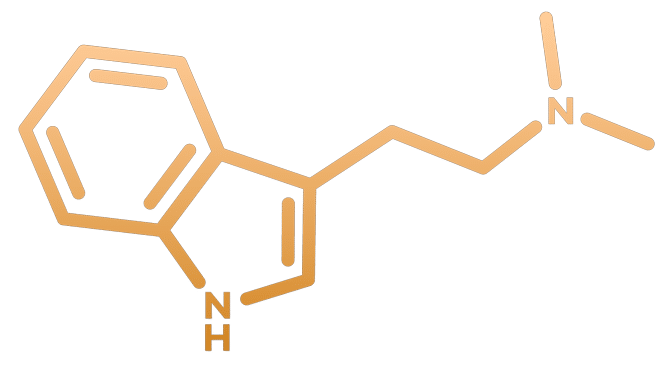
DMT
Psilocybin therapy
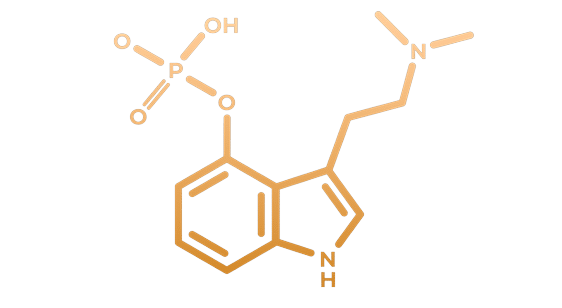
Psilocybine is een psychedelische stof die voorkomt in bepaalde paddenstoelen en magische truffels. In het lichaam wordt psilocybine omgezet in psilocine.
Onderzoek naar psilocybine richt zich onder meer op depressie, angst, verslaving en andere psychische klachten. Sommige onderzoeken laten veelbelovende resultaten zien wanneer psilocybine wordt gecombineerd met psychologische ondersteuning.
Binnen Triptherapie zijn psilocybinesessies gebaseerd op magische truffels. De effecten kunnen bestaan uit veranderde waarneming, introspectie, emotionele intensiteit en een andere beleving van tijd.
MDMA therapy
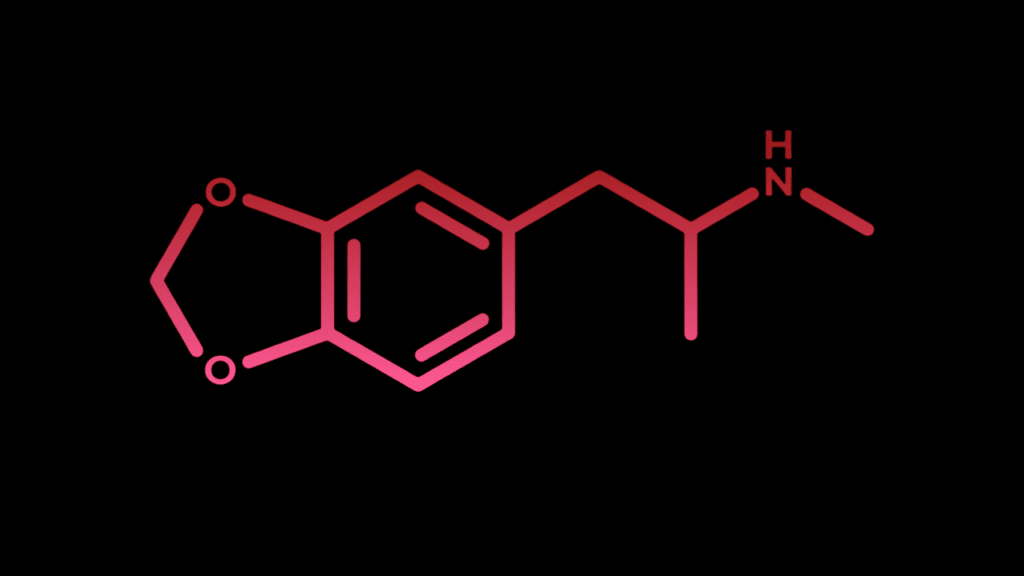
MDMA therapie wordt vooral ingezet bij PTSS en trauma. De MDMA sessies hebben geen tot weinig visuele hallucinaties maar geven over het algemeen gevoelens van euforie en empathie terwijl er zonder blokkade gepraat kan worden over de negatieve ervaringen in het verleden. Een MDMA sessie wordt gezien als een gigantische versneller van blootstellingstherapie. MDMA sessies kunnen in Nederland alleen plaatsvinden indien de cliënt zelf MDMA of een MDMA analoog in bezit heeft.
LSD therapy
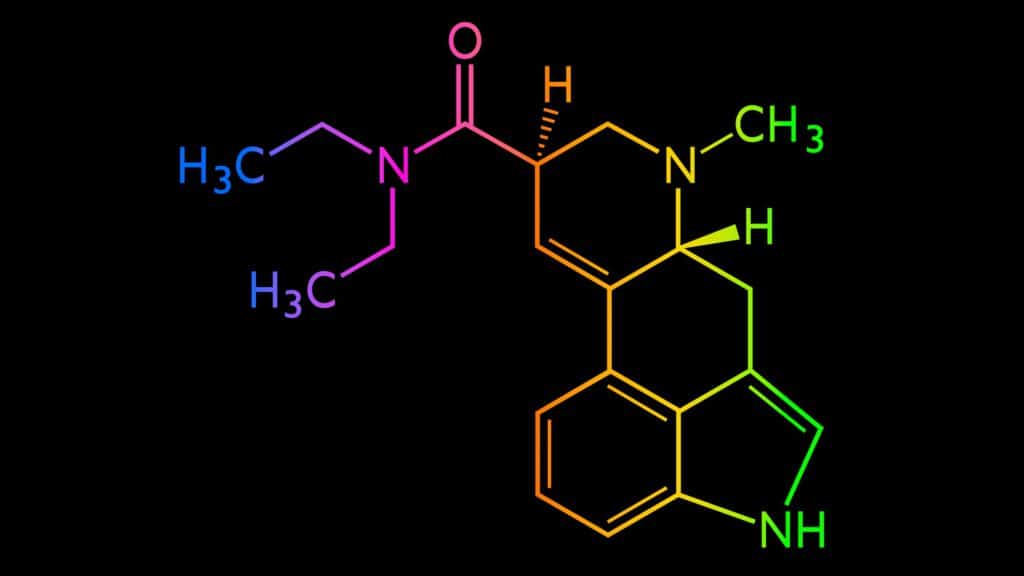
Tijdens de LSD sessies maken we gebruik van een legale analoog van LSD die na inname door het lichaam wordt omgezet naar reguliere LSD. Op deze manier kunnen we de LSD sessie legaal uitvoeren. De LSD sessies duren veel langer dan alle andere psychedelische sessies en daarom raden we deze sessies alleen aan wanneer er al wat ervaring is met de effecten van andere hallucinerende psychedelica en de langdurige effecten gewenst zijn.
Wizardflip sessie
Een andere combinatie van psychedelica die de laatste tijd vaker wordt ingezet is de Wizardflip. Deze combinatie bestaat uit LSD en psilocybine. De klanten die vaak kiezen voor deze mix willen vaak wel een sterke visuele tripsessie, maar zonder de langdurige piekeffecten die vaak met LSD trips aanwezig zijn. Mensen met Obsessieve-Compulsieve Stoornis (OCS) kiezen vaker voor een wizardflip om therapeutische waarde te combineren van zowel psilocybine als LSD.
DMT therapie en ayahuasca
Ayahuasca is een zeer bekend plantmedicijn uit de amazone en bevat DMT. Vanwege de aanwezighied van DMT is ayahuasca illegaal in Nederland. Wij bieden voor personen die gebruik willen maken van de helende en spirituele eigenschappen van DMT of ayahausca alternatieven aan in de vorm van hoger gedoseerde psilocybine sessies, psilohuasca of psiloflora.
Psiloflora is een combinatie van psilocybine en de milde MAO remmende bloem van de passiebloem, wat het een vorm van psilohuasca maakt. De milde MAO remmende en rustgevende eigenschappen zorgen voor een sterkere en langere reis naar binnen dan psilocybine op zichzelf staande. Vanwege de verlengde duur en de versterkte trip wordt psiloflora alleen aangeraden bij personen die al eerder psychedelische ervaringen hebben. Psiloflora kan voor dezelfde redenen worden gebruikt als psilocybine maar dan ligt de nadruk iets meer op het opwekken van een spirituele ervaring.
Wat Triptherapie kan aanbieden
Binnen Triptherapie werken begeleiders met verschillende achtergronden. Sommige begeleiders hebben ervaring in psychologie, psychosociale therapie of de geestelijke gezondheidszorg. Andere begeleiders richten zich op praktische ondersteuning, voorbereiding en integratie.
De opleiding en rol verschillen per begeleider. Niet iedere begeleider is psycholoog, psychotherapeut of BIG-geregistreerd behandelaar. Bekijk daarom vooraf wie de sessie begeleidt en welke deskundigheid daarbij hoort.
Frequently asked questions
De meest gestelde vragen over psychedelica therapie
Bekijk hier de antwoorden over de meeste gestelde vragen over psychedelica en de psychedelische therapieën. Staat het antwoord er niet bij? Je kunt je vragen dan ook stellen aan onze chatbot Trippy of neem contact met ons op.
Medical psychedelic therapy is an innovative and currently still experimental treatment method aimed at alleviating mental health conditions through the use of psychedelic substances. During this therapy, the psychedelics are ingested in a controlled environment under the guidance of a therapist. After the experience, when the effects of the substances have worn off, the therapist conducts an ‘integration session’ with the client. These sessions help in processing the experiences and insights gained and in integrating the new perspectives into their daily lives.
Treatment with psychedelic substances, as we do at Triptherapie, can have various objectives, but must not be or be called a medical treatment. However, the alleviation of psychological complaints is often mentioned as a secondary benefit of Triptherapie. Our therapy may be used to contribute to increased self-awareness, improved mental health and the development of new life perspectives. This can help with depression, addictions, anxiety symptoms and can be used for personal growth.
Potential benefits of psychedelic therapy include the reduction of symptoms of psychological problems, such as anxiety and depression, which can lead to an improved mood and a greater sense of happiness and well-being. In addition, it offers greater insight into oneself, which can result in an improved quality of life. The increased neuroplasticity ensures that the brain can change and recover more easily, which is especially advantageous for clients who do not respond to traditional treatments.
At present, health insurers do not reimburse psychedelic therapy. For the time being, psychedelic therapy is not yet recognised as a medical treatment and is rather regarded as coaching under the influence of a recreational substance. We expect that psychedelic therapy will only be partially reimbursed under certain conditions by 2026/2027. By that time, more studies will have been completed and health insurers may be less hesitant.
In the Netherlands, many psychedelic substances are included in the Opium Act, meaning they are not legally available. This can pose a challenge for people interested in psychedelic therapy. Fortunately, we are able to offer legal therapies using psychedelic substances that do not fall under the Opium Act. A widely used option is magic truffles, which contain the same active ingredients as the prohibited magic mushrooms, but are legal and can make a valuable contribution to therapeutic sessions. For other substances such as LSD sessions, legal analogues can be an option.
Based on the results of scientific research, psychedelic therapy has a positive effect on various mental health conditions, including depression, where it can be particularly effective for treatment-resistant depression. In addition, it offers potential for the treatment of anxiety disorders, including panic disorder, social anxiety disorder and obsessive-compulsive disorder (OCD). Post-traumatic stress disorder (PTSD) can also be addressed with psychedelic therapies. Furthermore, other studies show that addictions to alcohol, nicotine, cocaine and opioids can be reduced by psilocybin therapy. Moreover, positive results have been reported in the treatment of cluster headaches and existential anxiety, underlining the versatility and potential of psychedelic therapy.
The risks of psychedelics include psychological reactions such as anxiety, panic, paranoia and confusion, as well as physical reactions such as nausea, vomiting, headaches and dizziness. There is also uncertainty regarding the long-term effects. There are also dangerous interactions with medication, which is why a thorough intake procedure is important!
You can book a psychedelic session at Triptherapie via the website. A individual session of group session That is possible, but please fill out the intake form first so we can check whether we are able to help you in connection with any contraindications.