
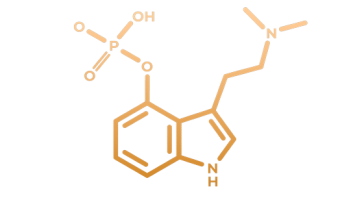
Psilocybin and the amygdala
Psilocybin is known for its therapeutic effects in people with depression and various anxiety disorders, such as social anxiety and PTSD. Researchers believe this is because the substance helps restore emotional responsiveness in the brain. The amygdala plays a role in this. The amygdala is a part of our brain that helps process emotional reactions, including fear. Researchers have discovered that psilocybin increases activity in the right amygdala. This suggests that psilocybin-treated individuals temporarily become more sensitive to fears and positive emotions. In theory, experiencing heightened fears is not beneficial for people with anxiety, but psilocybin's effects can induce a state of contentment in the brain. This heightened emotional experience can lead to greater emotional acceptance through this state of contentment. Once people with anxiety feel more content with mild anxiety, their anxiety can diminish to the point where extreme symptoms do not occur. The increased emotional responsiveness can also lead to experiencing both the negative and positive aspects of life.
Psilocybin Against Anxiety, Research Says
Extensive research is currently underway into the effects of psilocybin on various anxiety disorders. Generally, the success rates of psychedelic therapy are estimated at 70% and depend on the therapy, the drug, and (the severity of) the symptoms. Below, we provide a few examples where results are already known.
Social anxiety
There is evidence suggesting that psilocybin can have empathogenic and prosocial effects. In cases where social anxiety is caused by low self-esteem, psilocybin can facilitate social interactions through increased self-acceptance and reduced self-consciousness.
PTSD
There are indications that psilocybin promotes the growth of new neurons and synapses in the hippocampus, a brain region involved in memory formation. This increased neuroplasticity may help reduce anxiety symptoms.
Existential angst
Because of the spiritual experiences, psilocybin can reduce existential anxiety and end-of-life fear. Psilocybin reduced patient-rated depressive mood, anxiety, and death anxiety. It also increased quality of life, meaning in life, and optimism.
Sometimes more anxiety after a bad trip
After some psilocybin trips, a small percentage of users experience more anxiety than before psilocybin use. This increased anxiety after a trip can have several causes. People who report having a bad trip often report later that they learned from it and that it was a difficult lesson. A small percentage still experience anxiety for several weeks to months.
Preventing a bad trip is important, and the key points are fairly well-known. Providing a safe, supervised environment drastically reduces the risk of a bad trip. Furthermore, research shows that lowering glutamate in the hippocampus and increasing GABA further reduces the risk of a bad trip. Therefore, proper preparation is crucial. Read more about bad trips and how GABA can help via the button below.
Alternatives that work better for anxiety disorders
While the risk of negative aftereffects from a psilocybin session with preparation and guidance is low, anxiety symptoms can sometimes increase. We note that only a few clients per year experience worse anxiety symptoms after a psilocybin session than the intended improvement. This is primarily the case for individuals diagnosed with generalized anxiety disorder. A few individuals with long-COVID symptoms reported experiencing more anxiety than before the session. While psilocybin can be beneficial for most people with these symptoms, it is advisable to consider that sometimes a deterioration can also occur.
For people with generalized anxiety disorder and severe PTSD symptoms, we believe it's wise to explore alternatives. One of the alternatives we offer is an MDMA session. Research has shown that MDMA therapy for PTSD has been very successful, with a success rate of around 70%. An added benefit is that almost no side effects or additional anxiety symptoms are reported after MDMA sessions. Therefore, MDMA therapy feels like a safer option for severe anxiety. More information about MDMA as a therapy:
Our advice and second opinion
At Triptherapie, we've helped over 2,000 people with various complaints, including depression, addiction, and various anxiety issues. We ask every client to complete an intake form so we can identify any contraindications. If we discover any contraindications, such as medication use or mental health conditions that are incompatible with psychedelics, we'll let you know. It's not uncommon for a psychedelic session to be considered irresponsible.
With complex applications, we are sometimes unable to properly assess the safety of a session, and we therefore ask the client to contact their own doctor/psychiatrist. It is also advisable to request a second opinion from your healthcare specialist in the case of extremities. Interested in a psychedelic session with us? Please complete the intake form without obligation.