
Truffle therapy using the magic truffle
Magic truffles
Most people are familiar with microdosing or using psilocybin in the form of magic mushrooms or magic truffles. What exactly are truffles, and why are therapeutic sessions done with them? What's so magical about magic truffles?
Truffle ceremony
Already know what truffles are and are you looking for a group ceremony with magical truffles? Then check out our truffle ceremony page via the button below.
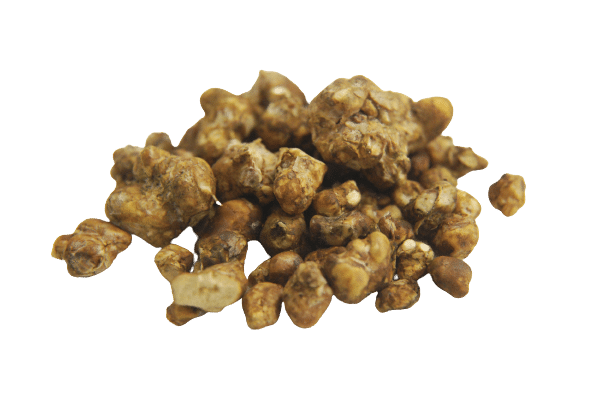
Sclerotia from mushrooms
Magic truffles are used in truffle therapy. Truffles and magic mushrooms (magic mushrooms) are both psychoactive fungi from the same organism that contains psilocybin. The main difference between the two lies in their appearance: mushrooms have a stem and a cap, while truffles have a knobby shape and no stem. The concentration of psychoactive substances can also vary, but if the amount of psilocybin present is adjusted, the psychedelic effects can be similar.
What's less well known is that truffles are actually the sclerotia of mushrooms. Sclerotia are a compact, spherical mass of mycelium and nutrients that forms underground in response to drought and food shortages.
In a sense, truffles can be considered a mushroom survival mechanism. They contain the same psychoactive substances as mushrooms and are therefore used for their hallucinogenic effects. Although truffles are less well-known than mushrooms abroad, in the Netherlands, due to legal restrictions, we primarily use only truffles. Truffles and magic mushrooms have similar effects on the mind and perception of users.
Truffles contain several psychoactive compounds, including psilocybin and psilocin, which are considered the main active components of truffle therapy. Baeocystin and norbaeocystin are additional compounds found in lower amounts.
Psilocybin is a tryptamine that converts to psilocin in the human body. This produces the main psychedelic effects of these mushrooms. Baeocystin and norbaeocystin are considered less potent psychoactive substances present in various mushroom species.
The psychoactive effect of truffles used in truffle therapy is primarily due to the substance psilocybin, which is present in high concentrations. Psilocybin as a standalone substance is currently being widely studied in scientific studies to treat mental health conditions. Whether the other psychoactive substances in magic mushrooms and truffles have an additional positive effect on the therapy is not being investigated.
Magic truffles or psilocybin?
Using psilocybin from synthetic or purified sources can offer greater precision and control in scientific research. Magic truffles and mushrooms contain varying amounts of psilocybin, making it difficult to control doses and ensure consistency across study participants. In clinical trials, researchers use precise doses of psilocybin to study its effects on brain activity, emotions, and behavior in various populations. By using a standardized, controlled substance, researchers can more accurately assess psilocybin's effects and gain a better understanding of its therapeutic potential. Therefore, psilocybin is preferred over truffles in scientific research because it offers greater precision, consistency, and safety.
For therapeutic sessions with magic truffles, no exact quantity is needed, and a deviation of approximately 10% is acceptable. It doesn't matter if someone takes a few mg more or less psilocybin than expected. An added benefit is that the other psychoactive substances, which also influence the effects to a lesser extent, can provide a broader experience than psilocybin alone.
In short, a precisely measured amount of psilocybin is useful for research, but not necessary for truffle therapy.
Psilocybin from magic truffles in science
Scientific research currently shows that psilocybin may be a promising approach in treating various conditions, such as depression, anxiety, addiction, cluster headaches, and even Alzheimer's disease. Incredibly, psilocybin therapy is not only highly effective but also safe and well-tolerated compared to traditional medications.
Depression treatment
Psilocybin has an anti-inflammatory effect on the brain and, together with altered perception, can cure depression, according to various scientific studies.
Post-traumatic stress disorder (PTSD)
Scientific research indicates that psilocybin may be effective in treating PTSD, in addition to anxiety disorders. Initial results are promising.
Social anxiety disorder (SAD)
A scientific study at the University of Zurich has shown that a single dose of psilocybin reduces symptoms of SAD in participants with social anxiety disorder. The long-term effects of this treatment are still unknown, according to the researchers.
Generalized anxiety disorder (GAD)
A scientific study conducted at the University of Arizona examined the effects of psilocybin in treating generalized anxiety disorder. The study found that psilocybin-assisted therapy can significantly reduce anxiety levels.
Addictions
Psilocybin is being scientifically investigated as a potential treatment for addiction disorders, primarily tobacco and alcohol addiction. Numerous studies have already demonstrated promising long-term results in reducing cravings and promoting abstinence.
Obsessive-compulsive disorder (OCD)
There is scientific research available that shows psilocybin could be a potential treatment for OCD symptoms. Research shows that microdosing can help better manage symptoms and make daily activities easier to manage.
Cluster headaches
Psilocybin has been scientifically studied as a possible treatment for cluster headaches, a very severe and disabling form of headache. Some patients have reported positive results after treatment with psilocybin.
Migraine
Although research is still limited, some scientific studies indicate that psilocybin may offer relief in the treatment of migraines. The positive effects appear to be due to a change in blood flow to the brain.
Anorexia nervosa
Psilocybin's potential role in treating anorexia nervosa is currently being investigated, but further studies are needed to confirm its efficacy and safety. Previous studies, however, have shown that it can improve relationships with food.
Psychosomatic complaints
There are currently no specific scientific studies focusing on psilocybin and psychosomatic complaints. However, some broader research and evidence suggests that psilocybin may have a positive effect.
How does psilocybin/psilocin work?
The results of the scientific studies are very positive, and the success rate of the treatments is many times higher than conventional care. Some of the positive effects can be attributed to the physical effects in the brain, such as changes in neurochemistry, blood flow, neuroplasticity, new brain connections, and brain waves. Besides these measurable effects, the subjective experience of the person undergoing the psilocybin session can also play a significant role.
Physical effects
Neurochemistry
Psilocybin increases stimulation of serotonergic receptors after it is converted to psilocin. The interaction between psilocybin and serotonin receptors leads to increased serotonin release and changes in serotonin transmission in various brain regions. This affects neurochemistry at multiple levels, including the promotion of neuroplasticity through the increased stimulation of serotonergic receptors, which in turn leads to increased production of BDNF. BDNF can stimulate the growth of neural branches (dendrites) and the number of dendritic spines, which can contribute to long-term changes in brain structure and function. Psilocin specifically binds to and activates 5-HT2A receptors, which regulate mood, perception, and cognition. By stimulating these receptors, psilocybin alters signaling in the brain, resulting in the experience of hallucinations, altered states of consciousness, and other effects. It also promotes the release of serotonin into the synaptic cleft, leading to increased serotonin concentrations in certain parts of the brain, which can lead to altered neuronal activity and communication.
Amygdala
The amygdala is a key brain region for processing emotions, including fear and stress. Scientific research has shown that psilocybin can effectively reduce amygdala activity, which can help reduce feelings of stress.
Other blood supply
Functional magnetic resonance imaging (fMRI) shows that psilocybin can alter blood flow to several brain areas. This leads to reduced activity in the prefrontal cortex and the default mode network (DMN), a network of brain regions involved in self-awareness, time perception, and memory. Arterial spin labeling (ASL) MRI shows that psilocybin increases global cerebral blood flow, suggesting increased metabolism and neuronal activity in certain brain regions. These findings are scientifically significant.
Brainwaves
Psilocybin affects brain waves in the brain, which can be measured with electroencephalography (EEG). A study from Johns Hopkins University found that psilocybin shifts brain waves from alpha-like to theta waves. Alpha activity (8-13 Hz) is associated with a relaxed yet alert state, while theta activity (4-7 Hz) is linked to dreamlike and deeper meditative states.
Reduced inflammation values
Psychedelics like psilocybin have powerful anti-inflammatory properties. They reduce the production of pro-inflammatory cytokines and restore balance to the immune system. This leads to less "noise" in the brain, greater mental clarity, and improved emotional balance. At Triptherapie, we use psilocybin specifically to reduce low-grade inflammation and thus contribute to recovery from symptoms such as depression, fatigue, and chronic pain.
Subjective experience
Better mood
By increasing the stimulation of serotonergic receptors, psilocybin can induce various moods and experiences. Subjective experiences such as connectedness, empathy, love, and emotions like sadness, joy, happiness, and wonder are common during a psilocybin trip. Thanks to psilocybin's effect on serotonin, it can alleviate depressive symptoms caused by serotonin deficiency.
Less self-awareness
With less self-awareness, events seem more interconnected because it's less easy to distinguish between the self and the environment. When viewing the self with less self-awareness, it sometimes feels as if it's about someone other than the actual self. From this perspective, it's easier to speak honestly about the self without emotional inhibitions. This can contribute to openness, which can be a significant advantage in processing the past, talk therapy, self-exploration, and personal growth.
Stress reduction
An increased sense of connection and greater acceptance can make fears and stress easier to tolerate, as they have less of a hold. During more intense psilocybin sessions, self-awareness can disappear completely, after which fear no longer plays a role, as self-protection is no longer necessary. This has been scientifically established.
New insights
Psilocybin alters brain function in a way that's unfamiliar. This can lead to new insights and discoveries about interconnectedness. The course of these discoveries is unpredictable. An added benefit of such sessions is that curiosity is rewarded, and people often remain curious about themselves, others, and the world afterward. These are scientifically interesting results.
Spiritual insights
During a psilocybin trip, some people report scientific or mystical experiences. This can be accompanied by feelings of transcendence, a sense of meaning, and a connection to something greater than themselves. Just as science can offer confidence, a spiritual experience can also bring greater peace and health.
Healthier choices
Many people who have experienced deeper journeys on psilocybin have demonstrated a connection between a healthy body and a healthy environment. By promoting better health in one's own body, mind, people, and environment, an increase in feelings of love for oneself and the universe has been detected. The results suggest that this can contribute to changes in perception, health, and quality of life.
The amount of truffles for therapy
The effects of psilocybin vary and depend on individual sensitivity, personality, mood, additives, and dose. At higher doses, stimulation of the serotonin receptor, also known as the 5HT2a receptor, increases. This increased stimulation leads to psilocybin's effects. The effects of psilocybin are divided into different levels.
| Psilocybin Dosage | Trip level | Duration (h) | Suitability |
| Microdose | 1 | 2-3 | Beginner |
| Medium dose | 2-4 | 5-6 | Beginner |
| High dose | 4-5 | 6-7 | Some experience |
| Heroic dose | 5 | 7-8 | More experienced |
During trip level 1, the negative feelings of serotonin depression disappear. Because the brain hemispheres communicate differently, music sounds deeper, colors become brighter, and the environment becomes more tangible. During this phase, people are more open and socially engaged, and open and honest. Triple level 1 occurs with microdoses as the maximum triple level. With psilocybin therapy using medium, high, and heroic doses, you briefly enter triple level 1 at the beginning and return to triple level 1 at the end of the session.
A more vivid perception of colors, visual effects such as the movement and "breathing" of objects, walls, etc. With closed eyes, two-dimensional patterns can be perceived. Due to changes in short-term memory, the user experiences continuous distracting thought patterns, alternating with extreme focus. The brain's natural filter is bypassed, which, among other things, increases creativity. During this phase, one can already begin to discover interconnections. Interconnections, for example, about why certain things happen and how to deal with them.
Very clearly observable visual effects. Everything appears warped or distorted. Patterns can be seen on walls, objects, faces, etc. Mild hallucinations, such as the effect of flowing rivers in wood grain or other textures. Some sensory confusion, for example, perceiving sound as color, etc. Time distorts, making everything seem to take place in the "now." From this level onward, it is already quite possible to connect with the subconscious mind, while still being very easily controlled. Fears that cause stress can reside in the subconscious without conscious awareness. This level is useful for combating these fears from the subconscious. Fears often originate from the past and/or the future. These fears are not real in the present, and acceptance is possible during this triple level.
Strong hallucinations, such as objects morphing into other objects. Perception of the ego fades; for example, objects may start talking to you, or you may experience contradictory feelings simultaneously. Some loss of reality occurs; time becomes an incomprehensible concept. Possible out-of-body experiences (OOBs). Mixing of stimuli from different senses. Due to the loss of the ego and the resulting loss of self-protection, people are harsh but honest with themselves during this phase. Problems can be addressed and given a place. The connection with the subconscious is very strong at this triple level, allowing for a great deal to be learned about who someone is, even though it seems as if it is someone else due to the loss of the ego.
Complete loss of visual connection with reality; senses no longer function as "normal." A complete loss of ego. Users feel themselves merging with space, other objects, or the universe. The loss of reality becomes so severe that it is difficult to explain or put into words. This level differs from the other levels in that the actual universe in which things exist ceases to exist. During this phase, there is absolutely no control possible from the ego. The connection with the subconscious is now maximal. During level 5, just as in level 4, it is difficult to formulate words, and talking is therefore of little use. It is, as it were, a dream that you cannot influence yourself. This phase can provide insights in a way that is initially incomprehensible. Level 5 psychonauts often call their trip experiences mystical, the most beautiful experience of their lives, or even frightening. Control freaks, in particular, find it frightening at first. It is unwise to undertake this without experience with psychedelics.
Truffle therapy at Triptherapie
At Triptherapie, we pride ourselves on meticulously preparing for psilocybin sessions. Our team carefully assesses your unique needs and goals during a thorough intake process, allowing us to tailor our recommendations to your specific needs. Furthermore, we believe our comprehensive approach to preparation sets us apart. As part of our standard service offering, we offer a range of benefits to make your truffle therapy as productive and transformative as possible. Let us help you unlock the full potential of psilocybin and create lasting change in your life.
Before the session
- Safety screening based on the intake
- Dietary advice in preparation for psilocybin use
- Supplement advice to improve neurochemistry
- Video and reading suggestions that can come to life during the session
- Small assignments that can help prepare for the session
During the session
- Introductory talk where the topics discussed can come to life during the peak
- Various playlists with treatment-specific music
- Aromatherapy
- Space for introspection
- Experienced guidance
- Home visits are possible
- Use of our locations is possible
After the session
- Space for immediate discussion after the session
- Post-session psilocybin recovery tips will be emailed to you
- An integration conversation a few days after the session
- Motivational messages to maintain success after the psychedelic session
Choosing a supervisor
The best counselor for you is a personal choice. We have both male and female counselors from diverse backgrounds. Our counselors/therapists can make home visits as long as they are within the Netherlands and their service area. For this on-site service, you can use your own home, vacation home, private Airbnb, or hotel.
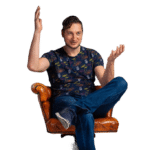
With a background in chemistry, a passion for philosophy, and extensive knowledge of psychology and health, his approach is holistic. Marcel is a full-time trip leader. With over 2,300 guided sessions, Marcel is the most experienced member of our team.

Ronald is a psychosocial therapist and has completed the following training: Jungian Philosophical Therapist, Psychodrama Therapist, Master Voice Dialogue, Transformational Psychology, Internal Family System (IFS), Mindfulness and Compassion Trainer.

Janneke is studying Applied Psychology, is a lifestyle coach, handles initial client contact, develops lifestyle plans, and performs administrative tasks. She also acts as a confidential counselor. In addition to these duties, she is available to facilitate sessions on a limited basis.

As a psychologist, Reineke combines both conventional and alternative care methods. She utilizes various techniques, such as talk therapy, yoga, breathing exercises, and EMDR, combined with the therapeutic effects of psychedelics.

Sascha has a solid foundation as a psychedelic therapist, thanks to her psychology studies, Master's degree in Clinical Psychology, and experience working in addiction treatment, (specialized) mental health care, and rehabilitation as a psychologist. She also has additional training in cognitive behavioral therapy and EMDR.
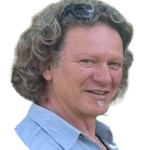
Gijs has 20 years of experience in outpatient mental health care. He taught and supervised the Mental Health and Addiction Care program at the HAN University of Applied Sciences Arnhem Nijmegen. He also has extensive experience in mindfulness, talk therapy, neurofeedback, meditation, compassion training, and ACT.
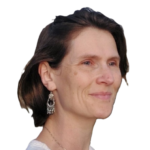
Supportive therapist
Ylva is a BIG-registered GZ psychologist and supports Triptherapie as an advisor in the areas of psychological care, mental health frameworks, safety, and integration. Ylva does not offer psychedelic sessions but is available for additional support.
Complete contact or intake form
Interested in signing up for a psychedelic session at Triptherapie? Thanks to our method and guidance, you'll drastically reduce the risk of a "bad trip" while increasing your therapeutic potential! Complete the free intake form now so we can explore your options together. Have any questions? Check out our FAQ section or contact us.
Frequently asked questions about truffle treatments
The first step is to determine whether you are participating in a truffle ceremony in group or rather choose a individual session.
Group retreats usually take place in Schiedam, near Rotterdam. These two-day ceremonies are completely legal and professionally supervised. Check here available dates for truffle ceremonies.
Private sessions can also be scheduled on a custom basis, both in Schiedam and at a location rented by you (such as an Airbnb or hotel in Amsterdam). Use this price and location tool to see what is feasible.
What do you need to arrange:
- Pre-completion of the intake — this is mandatory and determines whether you are medically and psychologically fit.
- Arrival at least one day before the session — especially if you are on a long journey, so that you are rested.
- Book a hotel near Schiedam or Amsterdam —handy for the day before and after the ceremony.
- Schedule an extra day of rest after the ceremony — to integrate your experience and give your brain time to recover.
Sample itinerary:
- Day 1: Arrival in the Netherlands, overnight stay nearby
- Day 2: Truffle ceremony (afternoon to evening)
- Day 3: Integration morning (during group retreat) and rest day
- Day 4: Return trip
Which ceremony is right for you?
- Would you like to share your experience with others and are you flexible in your planning? Then choose a truffle ceremony in group.
- Do you need privacy, individual guidance or a specific request for help (such as trauma, burnout, anxiety)? Then choose a private truffle session.
A duo truffle session This is certainly possible with Triptherapie and can be a beautiful way to embark on a deep inner journey together. For example, as partners, friends, or family members.
During a truffle session or truffle ceremony at Triptherapie, the dosage is carefully tailored to your personal situation, intention, and experience. There's no fixed amount for everyone, but a guideline is usually between 15 and 45 grams of fresh truffles. This corresponds to a trip level between 3 and 5 and is suitable for therapeutic and transformational work. In some cases, an even higher dosage can be chosen, such as 60-90 grams of truffles.
Yes, Truffle therapy can certainly be used as relationship therapy. This is also actively offered as such at Triptherapie. For many couples, it's a transformative experience that goes beyond what traditional relationship therapy can often offer.
During a truffle session together, defense mechanisms are calmed, empathy is strengthened, and space is created to truly understand each other's inner world. The psilocybin in the truffles helps release ingrained patterns, feel unresolved emotions, and reconnect with your partner on a deeper, often wordless level.
A session is always tailored to your relationship needs and emotional safety. Consider themes such as attachment, trust, intimacy, communication, or shared trauma. The therapist will carefully guide you through this process, allowing for both collaborative and individual processes along the way.
Bee microdosing Is often dosed too low, meaning you may only experience the beneficial placebo effect. This means you may feel better or clearer, but the effect isn't necessarily due to the psilocybin itself, but to your expectation, intention, and behavioral change. While this can certainly be valuable, the effect of microdosing often remains subtle and superficial, especially if there are deeper emotional or psychological issues.
Bee macrodosing (High dosage during a guided session) you consciously embark on a deep inner journey, gaining access to unprocessed emotions, unconscious patterns, and sometimes even traumatic memories. Instead of alleviating symptoms, macrodosing focuses on deep processing and transformation. This takes place in a controlled setting with a trip sitter or therapist, similar to a truffle session or psilocybin session.
Our practical experience shows that many people who started microdosing only experienced real breakthroughs after a full-fledged truffle therapy. Microdosing can be useful as preparation or integration after such a session to better retain the insights in daily life.
Truffle therapy is not a medical treatment in the conventional sense and is therefore not covered by health insurance. It falls under the umbrella of alternative or complementary care, which falls outside the regular Dutch healthcare system.
General FAQ
Looking for a different question and answer? You can also use the search function on our site, consult the frequently asked questions section, or ask our chatbot, Trippy.
The recent questions from the Q&A
How do you book a psilocybin (truffle) ceremony?
What is the best way to book a psilocybin truffle ceremony?
What is the cheapest psychedelic session or retreat?
What is the cheapest option for a psychedelic session?
Psychedelic session for clients from abroad
How do I book psychedelic therapy in the Netherlands if I'm traveling from abroad? What are the options?
NPS law and MDMA analogues
Which MDMA analogues will become illegal as of July 1, 2025, due to the amended Opium Act?